Skip to Content
There are many cats in Turkey, which I have heard for a long time. But when I really set foot on this land, I discovered that the word “a lot” is simply not enough to describe it.
At first, I saw a lot of cats in Istanbul. I thought it was because big cities were densely populated and naturally there were many stray cats.
After all, it’s a tourist city, and it’s not unusual for cats to be cute.
But as the trip went deeper, I realized that there are really many cats in Turkey, not in a relative sense, but in an absolute number!
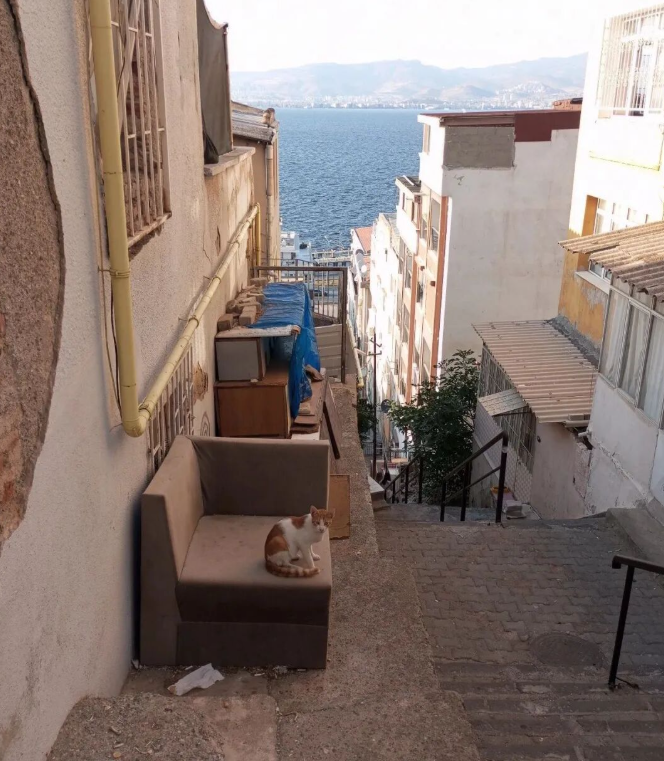
I also saw countless cats in Izmir and Antalya, which are not so popular tourist cities compared to Istanbul.
The companion joked, “We have to meet more than 1,000 cats every day, right?”
To be honest, I thought this number was a bit exaggerated when I first heard it. But actually take a look, maybe it’s not us who are exaggerating, but the cats here!
If you are also a cat lover, when you arrive in Turkey, the number of WeChat steps is probably only 1-100 steps-because you simply can’t bear to go far.
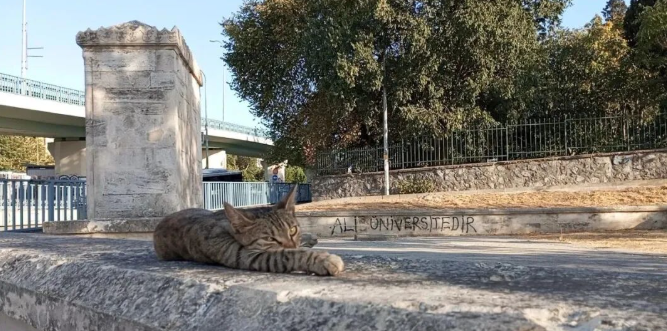
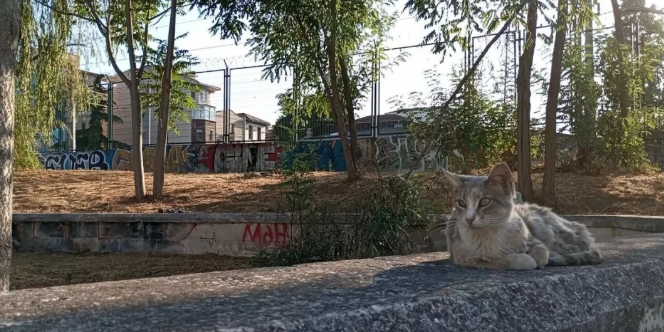
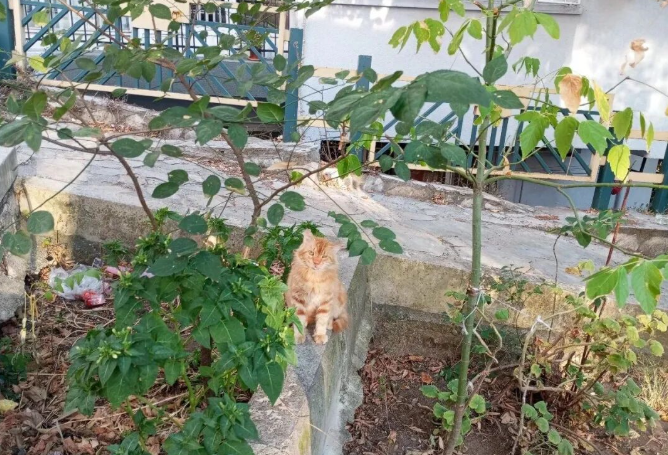
The first time I realized that there were many cats, it was in a park in Istanbul. I was taking a picture when I suddenly found a kitten poking its head out of the grass.
I quickly turned the camera to take pictures of the kitten, and the result was even more surprised-behind it, another one appeared!
There are cats in Turkey, old and young, and even kittens just a few months old.
Cat lovers can’t walk when they see cats, and around cats, there are often more cute little guys.
So I spent most of the day in the park talking to cats and taking pictures.
Some cats in Turkey are relatively cold, perhaps because they are used to seeing people coming and going-so many humans with different faces deal with them every day, and cats will be annoyed!
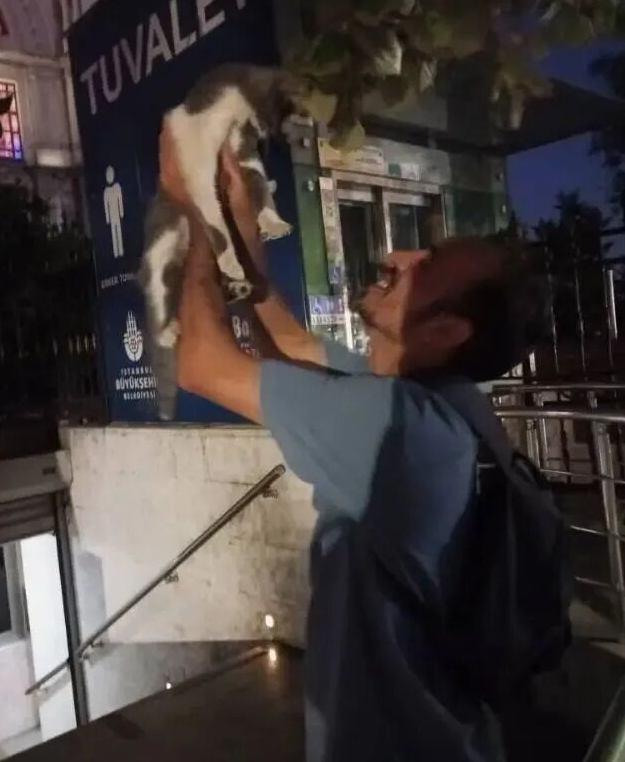
But Turkish cats are also “generous”. I once saw a big chubby cat sleeping on a plastic stool at the door of a public toilet.
Someone picked it up and put it on his shoulder, and the cat didn’t resist at all!
But maybe because the other person is a local, he has his own way of communicating.
I also heard that someone was accidentally scratched while teasing cats in Turkey.
The cat probably didn’t mean it, just wanted to interact with people too much!
Cat lovers are likely to be unable to walk when they arrive in Turkey. But it’s more likely that I go back and forth within a fixed range and am reluctant to leave.
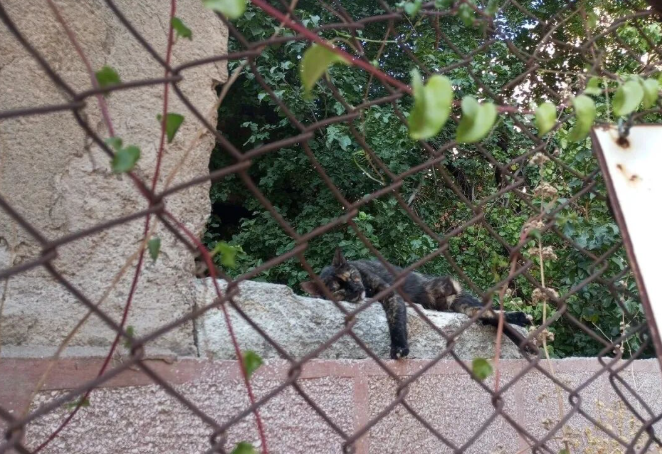
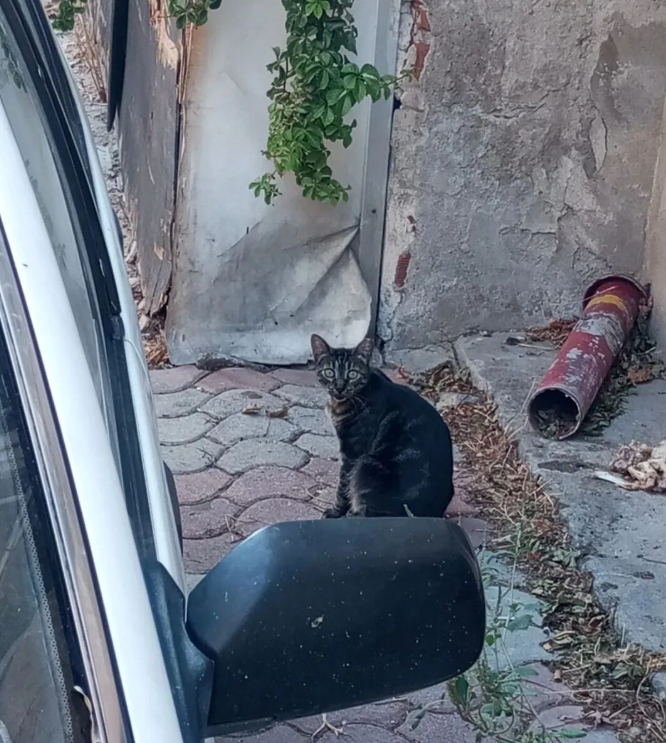
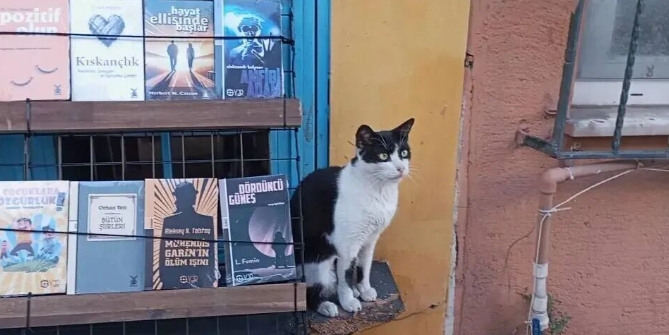
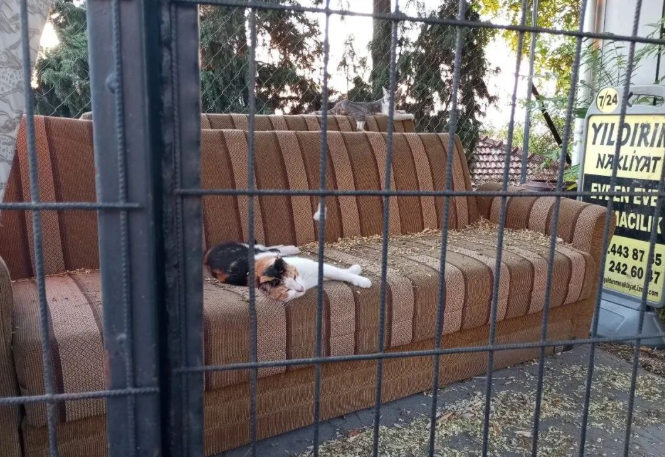
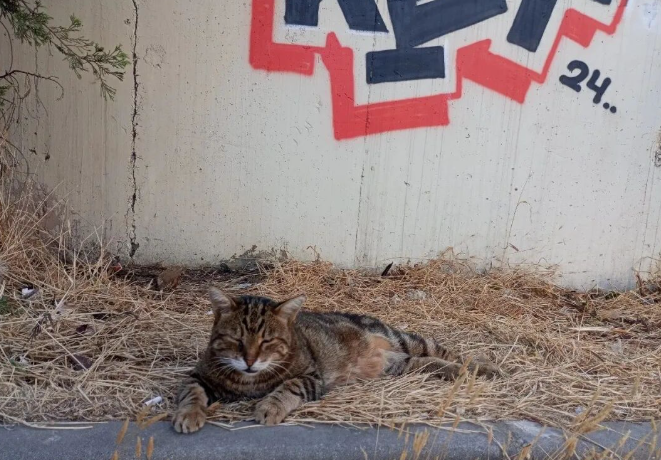
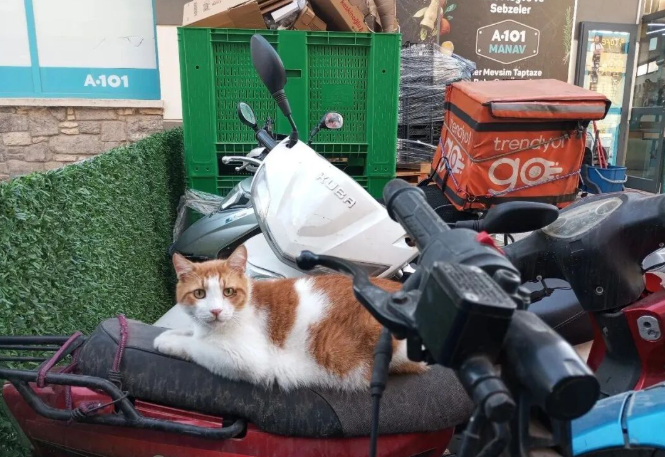
Turkish cats often live together, and because of their large number, you can see many distinctive cats.
But cats don’t seem to be “face-controlled”, nor will they ignore people’s love just because they are beautiful. Each cat has its own stance.
Some cats purr after you bark twice, and some kittens don’t know that the world is dangerous and stare at you straight with a pair of curious eyes. They are so cute!
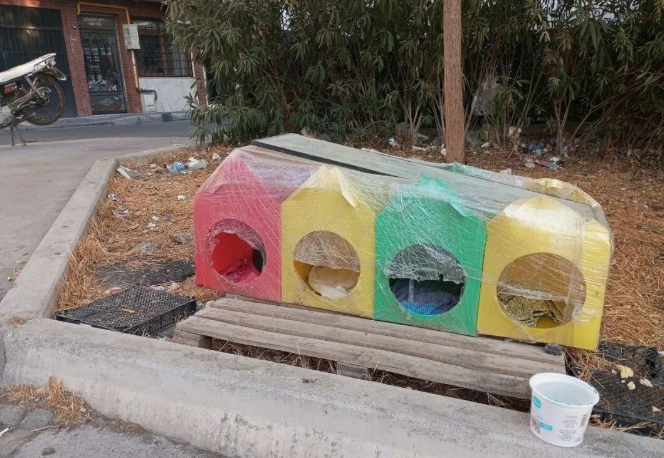
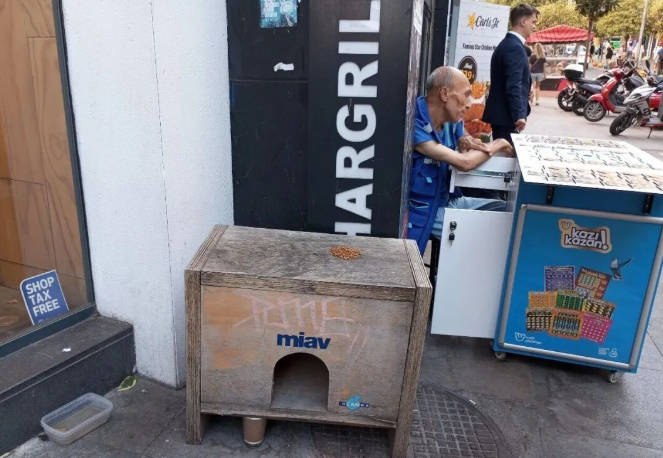
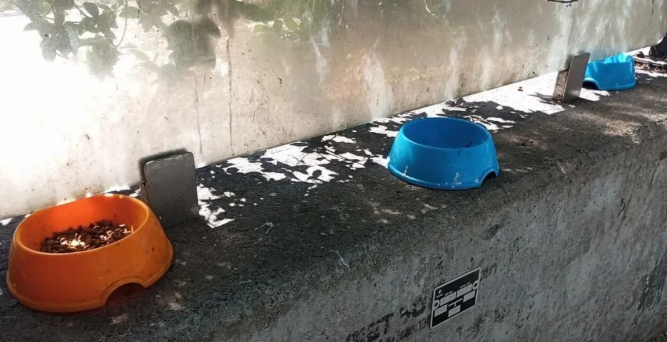
But in Turkey, cats don’t seem to have a sense of crisis-after all, the streets are full of their food bowls and birdbath.
I have photographed cats’ rice bowls in many places, and each bowl contains cat food.
Sometimes on the side of the road, you will also see cat food scattered on the ground. No wonder Turkish cats are very moist.
I once asked a Turk, “Why do you love cats so much?”
There must be a reason, right? I want to hear the real thoughts of local people more than the introduction in the book.
The man thought for a moment and said something that made people laugh,
Yes, liking without reason is the most sincere liking-not because cats are cute, nor because cats can catch mice.
The love for cats has been integrated into my bones, which is respect for life itself.
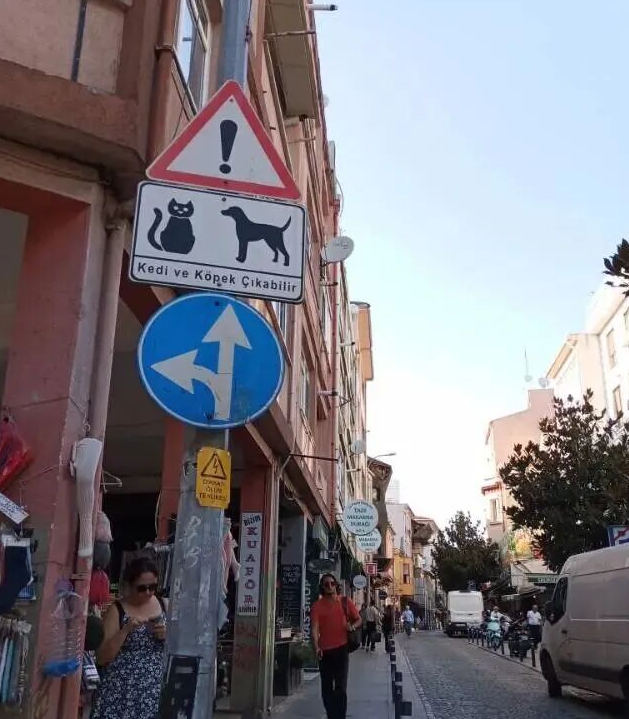
Even on some roads in Turkey, you can see the warning signs of “There are cats and dogs”, which felt particularly fresh at that time.
It turns out that there are so many cats in Turkey that pedestrians and vehicles need to avoid them.
Cat lovers in Turkey, instead of rushing for sightseeing, it is better to spend an afternoon basking in the sun and listening to the purr with their cats. The sun shines warmly, and the number of WeChat steps is the witness of that day’s happiness.