Skip to Content
The Asia-Europe-Africa Great Loop can almost be said to be the “antidote” for college students’ travel. On the social platform, many college students are excited about this route and finally embark on a journey.
But for middle-aged people, this route is full of challenges. After walking around, I personally suggest that middle-aged people choose carefully.
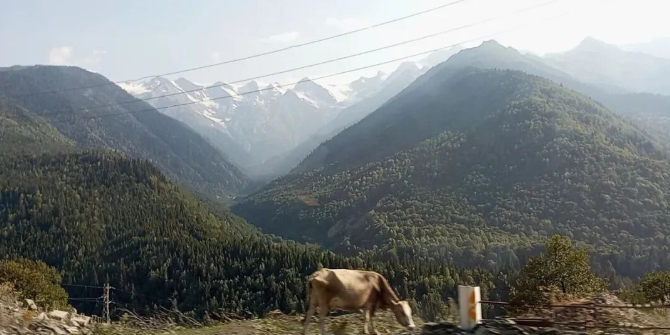
The Asia-Europe-Africa Great Loop usually leaves Xinjiang, passes through Central Asian countries such as Kazakhstan and Uzbekistan, and arrives in the three Caucasus countries-Azerbaijan, Georgia and Armenia.
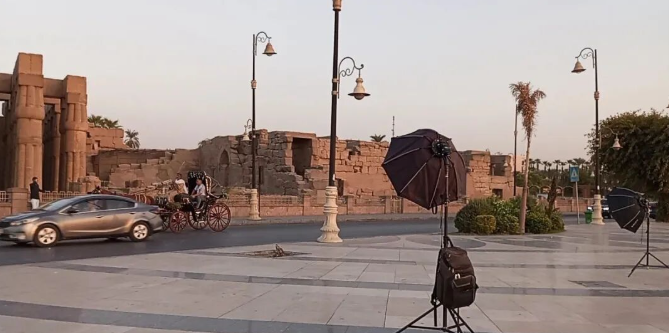
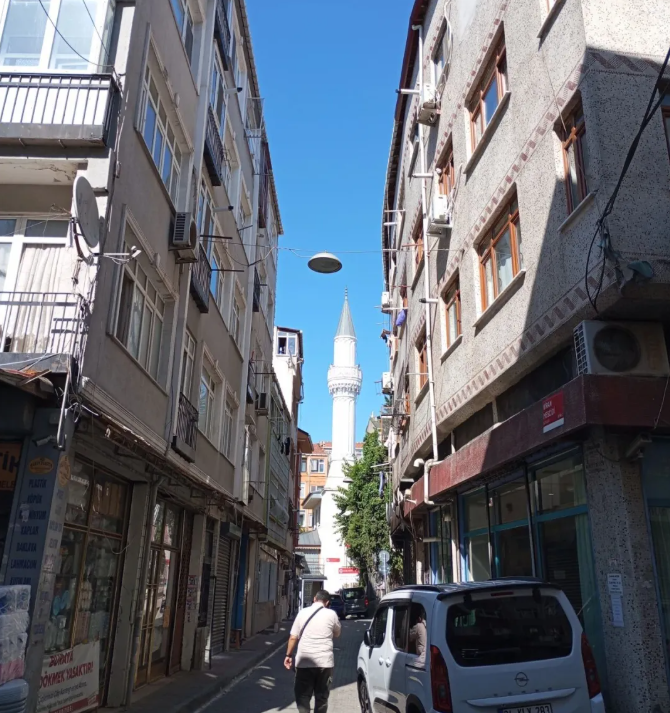
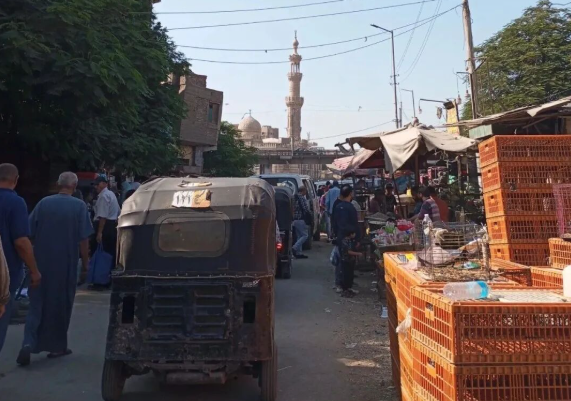
Then from the Caucasus to Turkey, the Balkans and other places, the last stop is often Egypt, and then take a more than ten-hour flight from Egypt to return home.
On this line, Abu Dhabi is an important transit point. As low-cost airlines often stop here, there are also many strategies to share on the Internet for poor travel in Abu Dhabi.
This route sounds very attractive, and you can pass through many interesting scenic spots and experience different cultural customs along the way. It seems to be right for anyone?
Generally speaking, it takes at least a month to complete this route.
This time just coincides with the summer vacation of college students. For middle-aged people, if they quit their jobs and travel, the time problem may also be solved.
But if you want to experience it deeper, two months may seem rushed-some places pass by in a hurry, and you really can’t feel anything.
It stands to reason that middle-aged people have more time and more affluent financial conditions than college students. Why are they not suitable for this route?
From my personal experience alone, this lineI’m so tired。
Many low-cost airlines don’t have friendly flight times, and red-eye flights mean you may have to stay up late at the airport.
After arriving at the destination, transportation between cities and overnight buses are often the choice of many people.
Young people may be able to bear these poor travel methods, but middle-aged people may not be able to bear them.
If you take this line with the mentality of “punching in”, the journey is likely to become very hard.
Even if middle-aged people don’t choose to travel poorly, but adopt a more comfortable way, it may not be much easier.
The cultural differences that this journey spans are wide, and the dietary aspects can also leave many people uncomfortable.
For example, I have traveled time abroad, but I have never eaten so badly on the Asia-Europe-Africa loop as this time.
You know, “white rice” is not always so delicious, and many people’s tastes simply can’t adapt.
The physical fitness of middle-aged people is often not as good as that of young people, and work pressure may lead to sub-health state. At this time, if you don’t eat well and sleep well, it’s really difficult to persist.
This journey has taken me more than seventy days before I have traveled all the country. Even so, I still feel like I’m walking in a hurry.
Young people may like to “punch in and collect stamps” and enjoy the sense of accomplishment of “how many countries have they been to”, but for middle-aged people, this kind of punch-in travel may no longer bring real joy.
Traveling is not more than anyone who goes to more places, nor is it more than anyone who can endure hardships. The original intention of traveling is to experience on the road-to experience different lives and feel different lives.
The Asia-Europe-Africa Great Loop allows people to see the most differences and witness very different scenery in a short time. But sometimes, it’s these differences that can gradually become exhausting.
After all, the planning of the travel route should be determined according to one’s own situation. The Asia-Europe-Africa Great Loop is a classic route, but it is only one route. Travelers can adjust according to their own needs-perhaps that’s the best suit for different people.