▼
NO.01
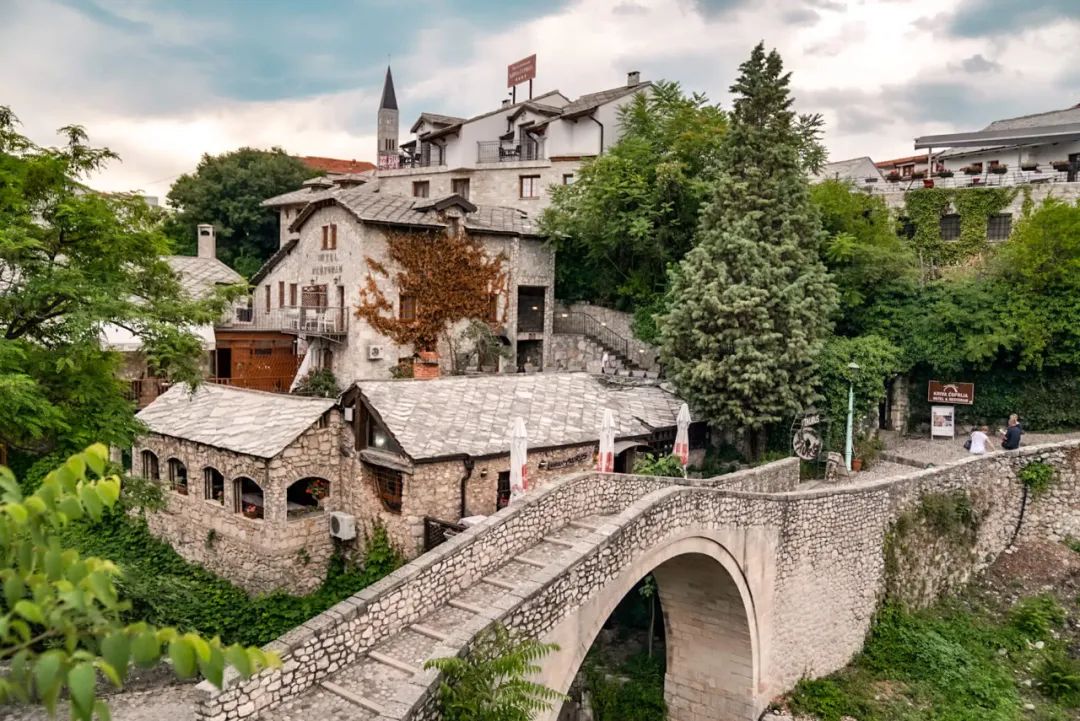
Mostar Ancient Bridge, Bosnia and Herzegovina (Old Bridge, Mostar, Bosnia and Herzegovina)
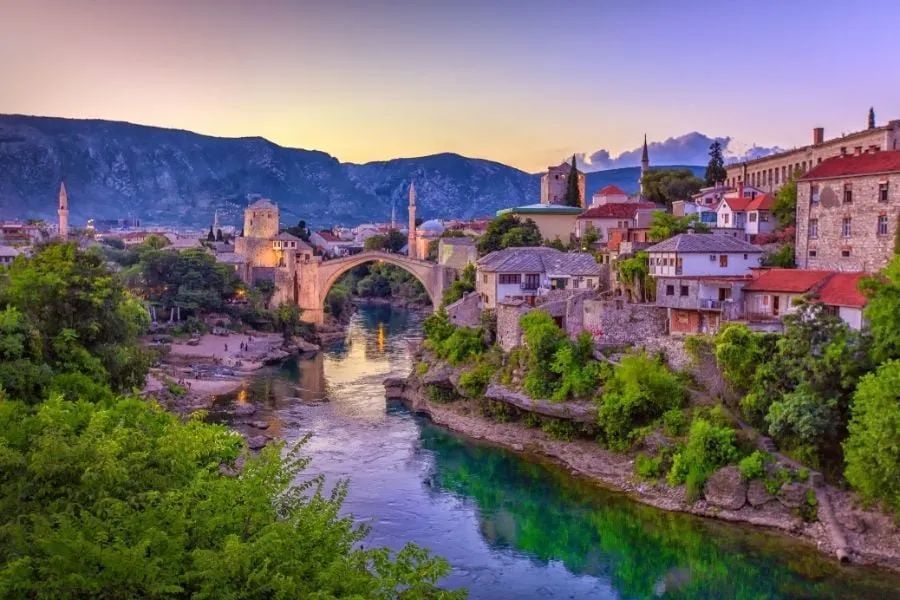
This medieval town has a long and diverse history, and it is unique in that three major communities once lived peacefully here: Muslim Bosniacs, Orthodox Serbs and Catholic Croats.
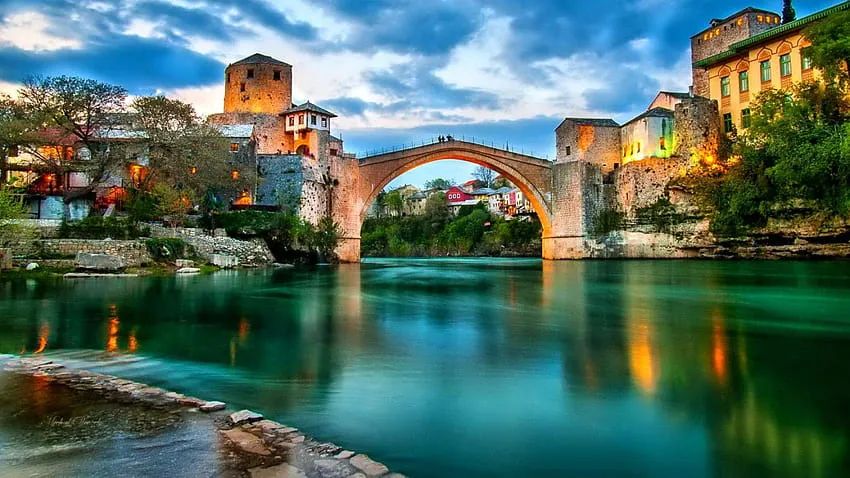
Straddling the deep canyon of the Neretva RiverMostar Ancient Bridge is a symbol of the intersection and connection of these three communities.
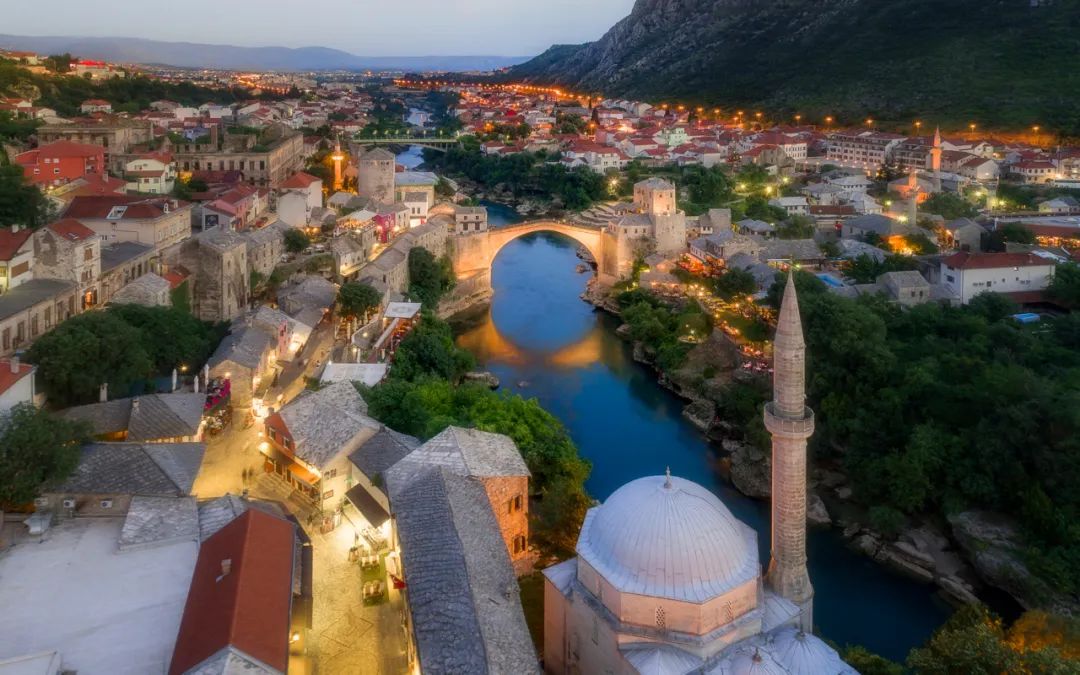
The stone bridge was ordered by Suleiman I in 1557, using local stone materials and techniques, and it took nine years to complete.Since its completion, it has become a symbol of harmonious coexistence among different communities, enabling people to cross the natural barrier and connect with each other.
According to historical records, architect Mimar Hayruddin was under great pressure, and if the construction of the bridge failed, he would be executed. Legend has it that he was even ready to hold his own funeral on the day the scaffolding was removed.
The bridge was finally built with its excellent structural stability, becoming the widest man-made stone arch bridge in the world at that time, and it can be called one of the pinnacle masterpieces of Ottoman architectural art.
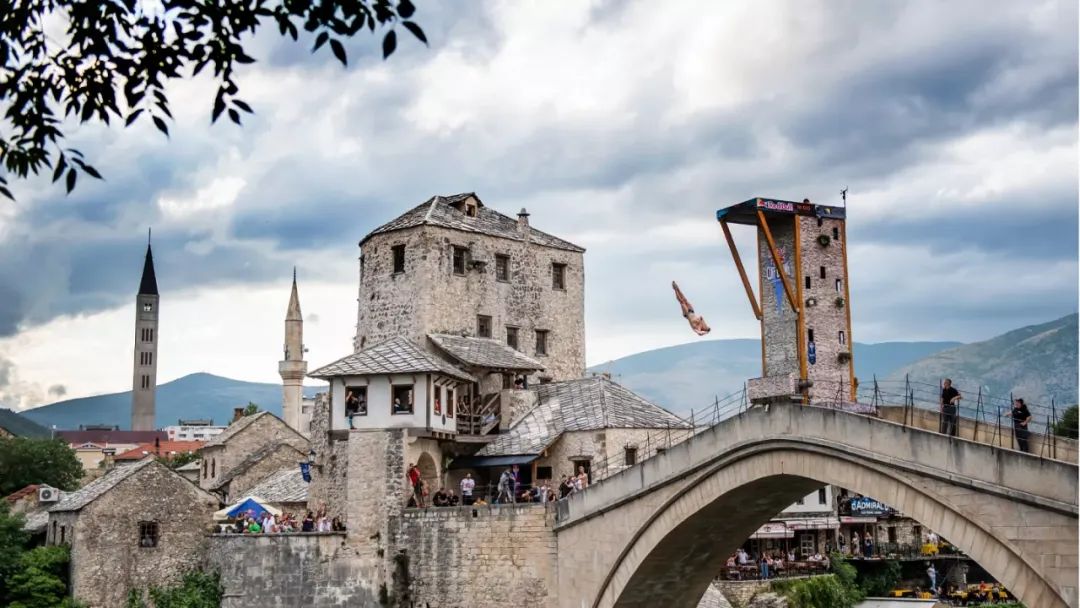
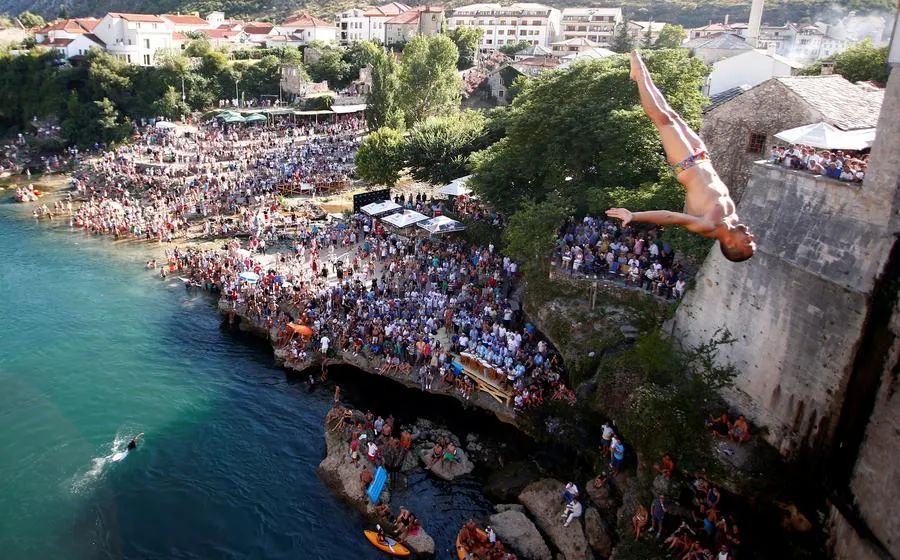
Due to the cold and rapid water of the Neretva River, jumping off the bridge has become a long tradition for local men to show courage.
However, after standing for 427 years, this ancient bridge was deliberately shelled in 1993 because of its important strategic and symbolic significance during the Bosnia and Herzegovina War in 1990 s, and finally collapsed into the river.
As the ancient bridge turns to rubble, the spirit of peace and tolerance it carries for hundreds of years seems to be on the verge of shattering.
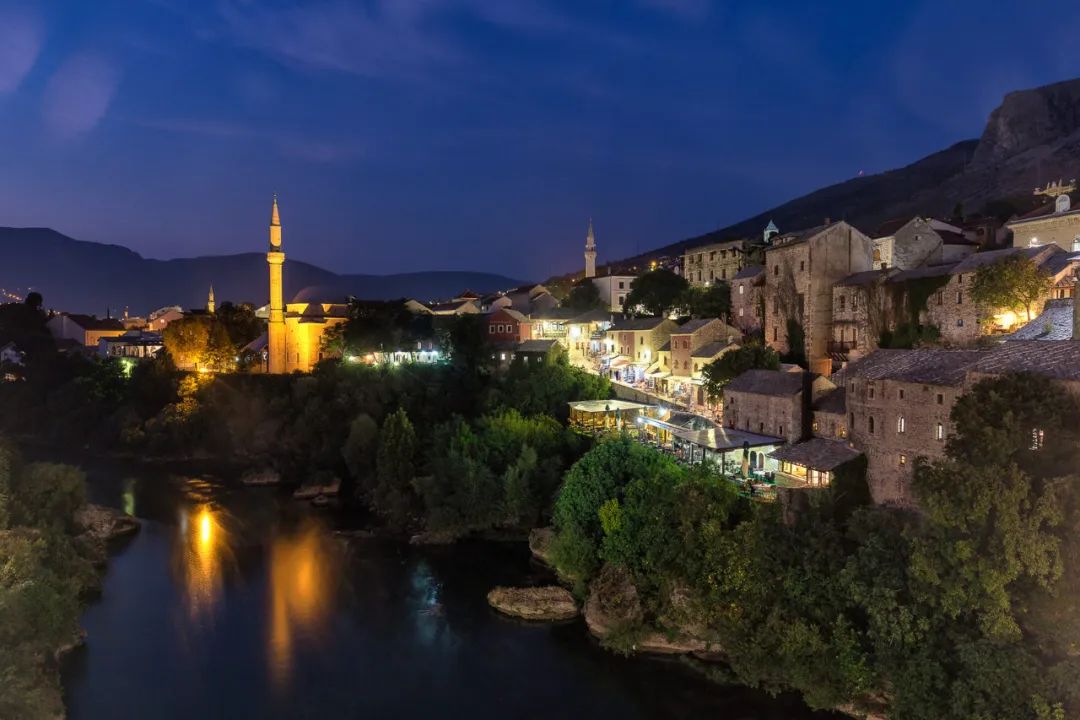
Fortunately, the international community responded quickly and formulated a reconstruction plan.In June 2001, several years after the ceasefire, the former rivals joined hands to pick up the remaining stones from the riverbed and jointly rebuild this symbol of friendship.
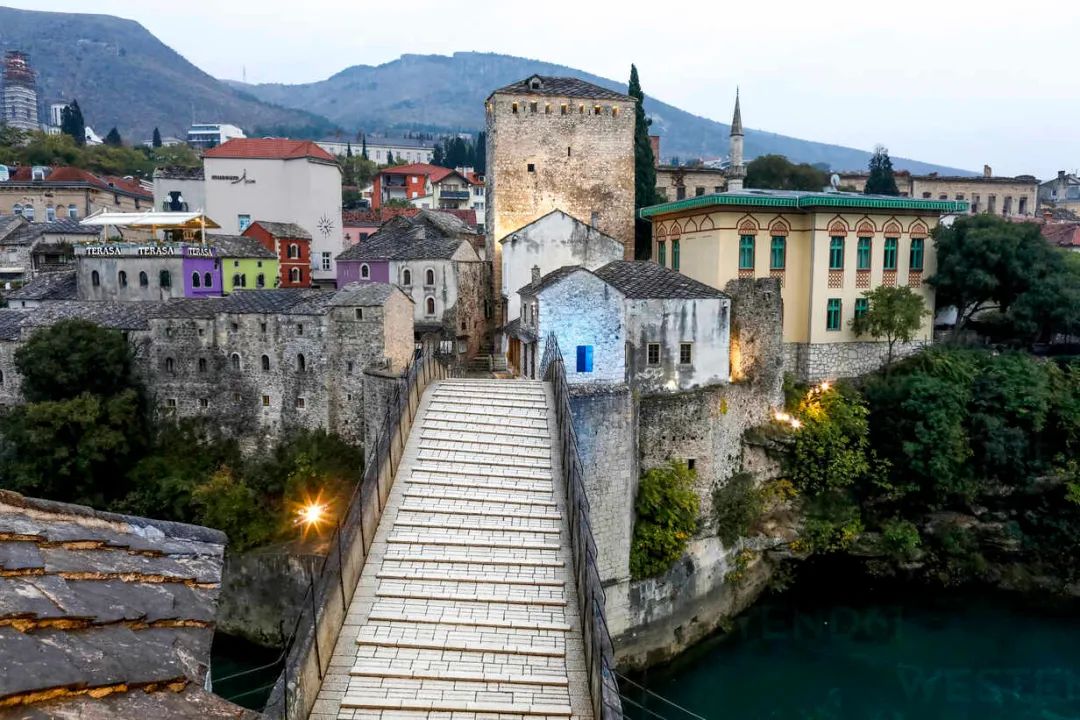
The ancient bridge was rebuilt in 2004 according to traditional craftsmanship. The following year, the bridge and the surrounding old city were listed in the United Nations World Heritage List.
In war-torn societies, the reconstruction of a bridge alone is far from enough to restore trust and peace, but it ignites a dawn of hope for people.
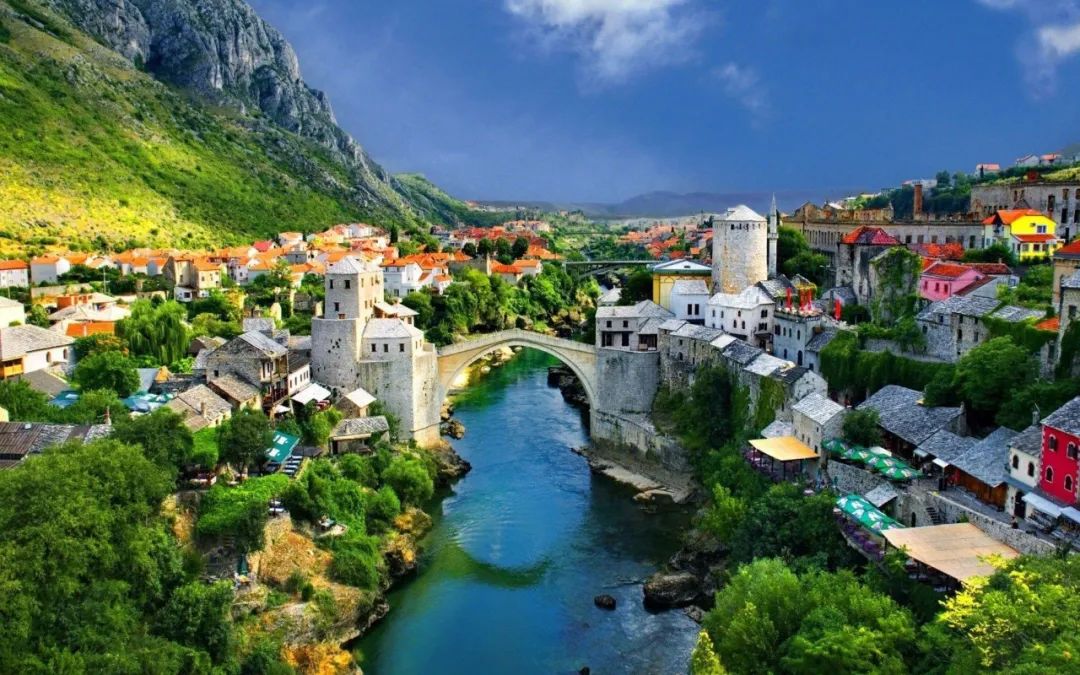
Today, although the bullet marks on the city wall are still clearly visible,But the reborn ancient bridge has become a symbol of reconciliation and healing, and a bridge connecting history with the future.
NO.02
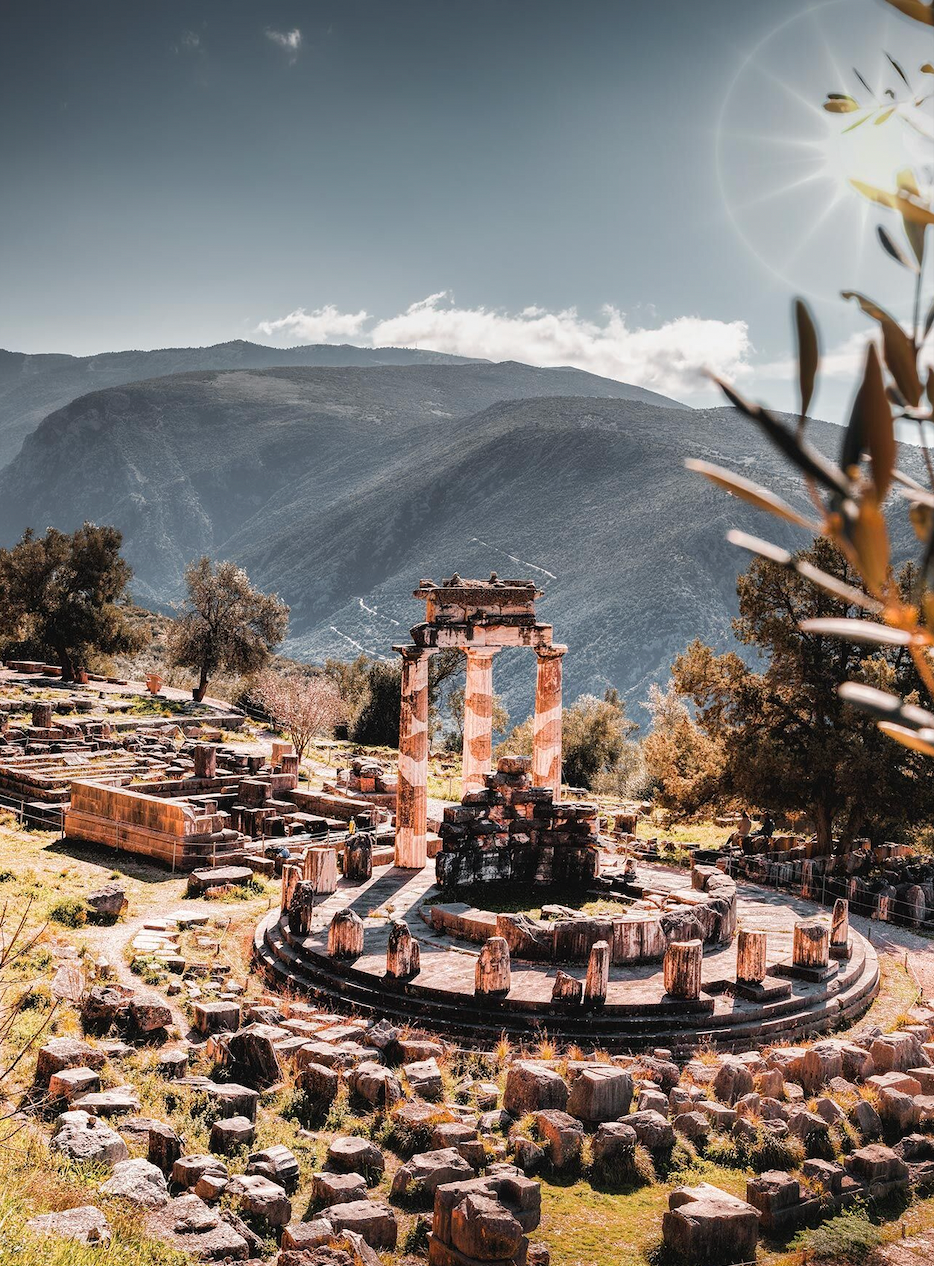
Archaeological site of Delphi, Greece Archaeological Site of Delphi, Greece
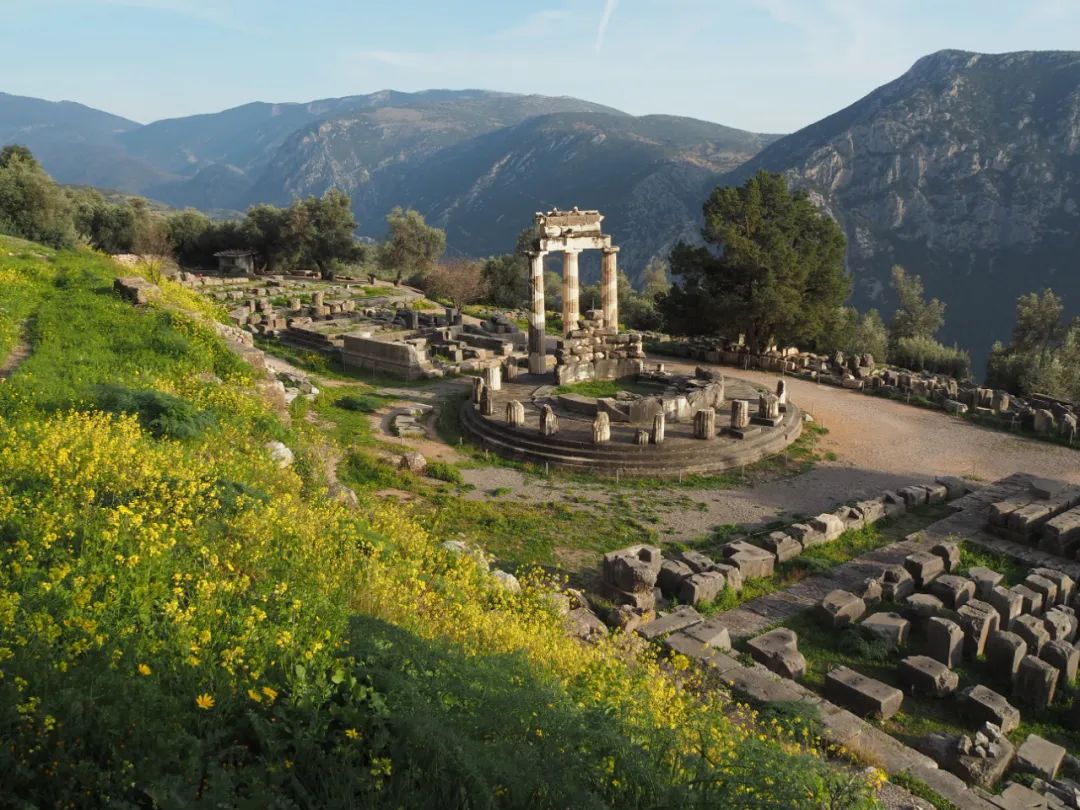
From the 8 th century BC to the 7 th century BC, with the development of colonial activities, Apollo worship prevailed in ancient Greece.Delphi, the shrine dedicated to Apollo, is the residence of Pythia, the priestess who issued the oracle.Legend has it that she conveyed Apollo’s revelation here, and this place is even known as the “center of the world”.
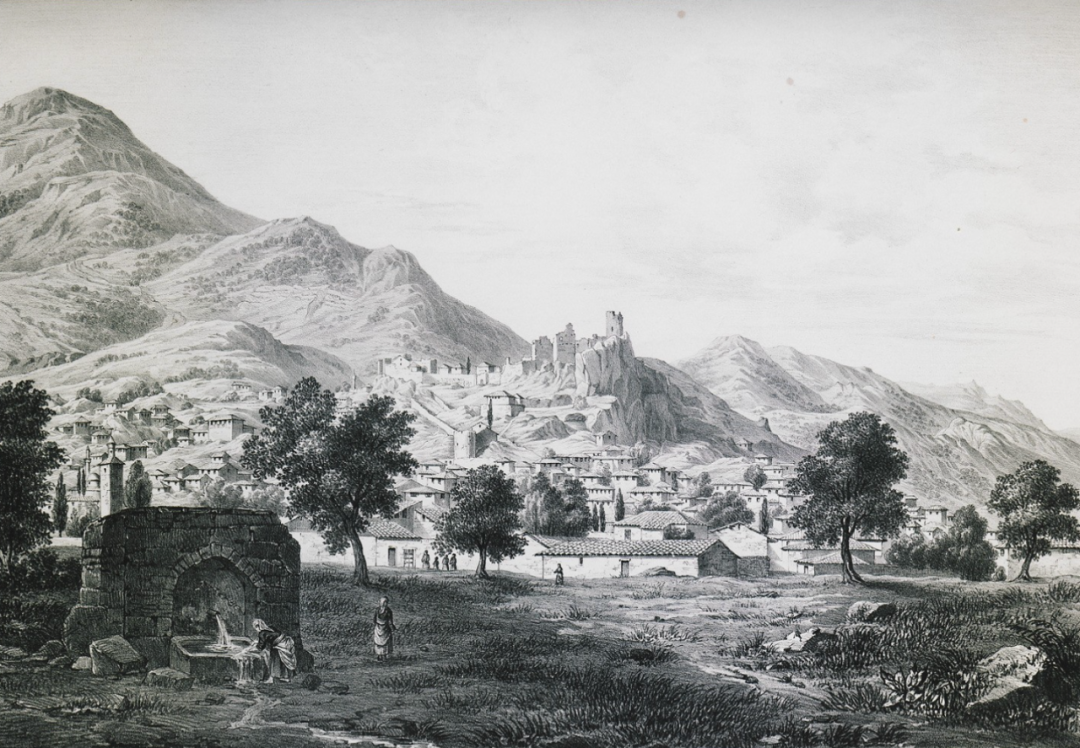
The name “Delphi” is said to be derived from dolphins. In Homer’s carol, Apollo incarnated as a dolphin in order to create a holy place here, attracting Cretan crew to become the original priests.
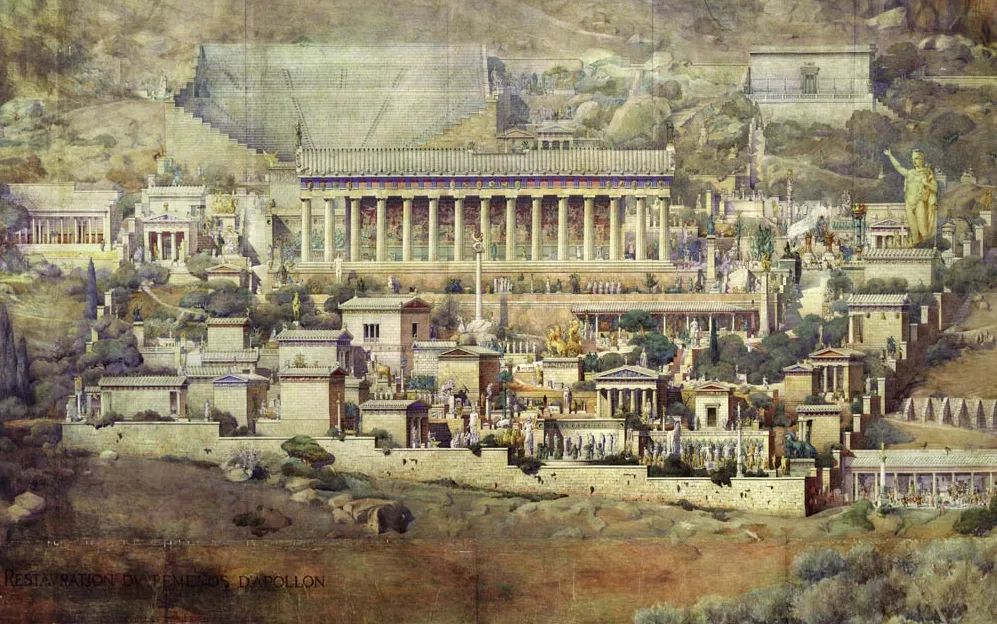
The Holy Land complex includes temples, altars, treasure houses, theaters, colonnades and stadiums, surrounded by nine walls.Three eternal proverbs are engraved at the entrance of the Temple of Apollo: “Know yourself”, “Do not overdo anything” and “Promise brings destruction”.
In 373 BC, a major earthquake severely damaged the buildings of the Holy Land, which became the turning point of its fate.Since then, ancient Greece has fallen into political turmoil, and Delphi has gradually declined amid difficult restoration.
Since the beginning of Roman rule in the first century AD, there have been no important new buildings in the Holy Land.
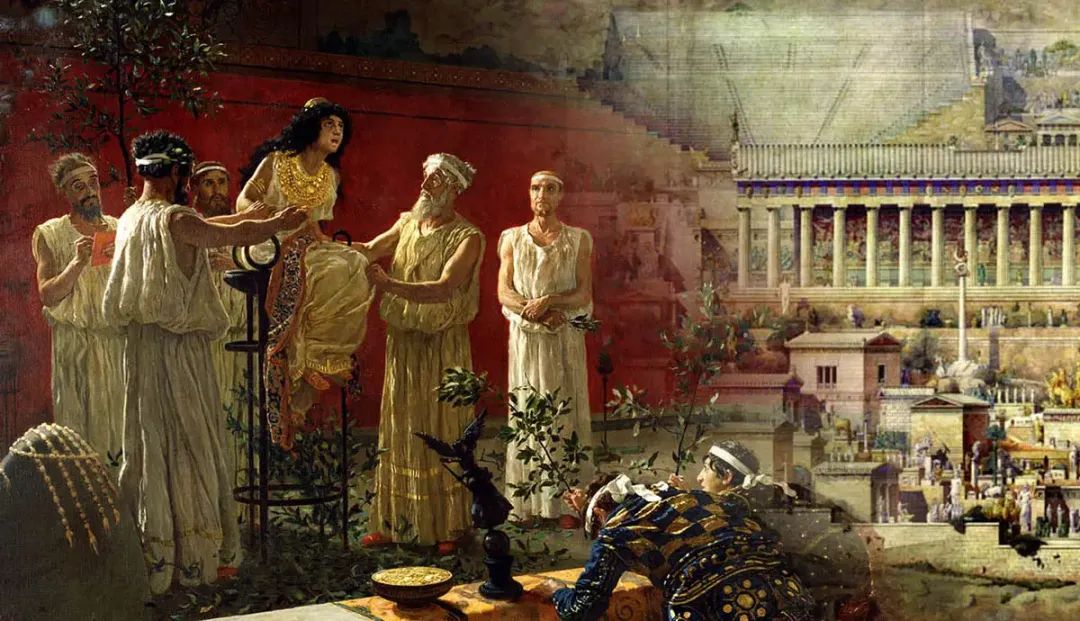
In 392 AD, after Christianity became the state religion of the Roman Empire, Emperor Theodosius I ordered the ban on all pagan worship, and the Apollo belief ended.The temples and buildings of Delphi were completely destroyed and abandoned around 390 AD.
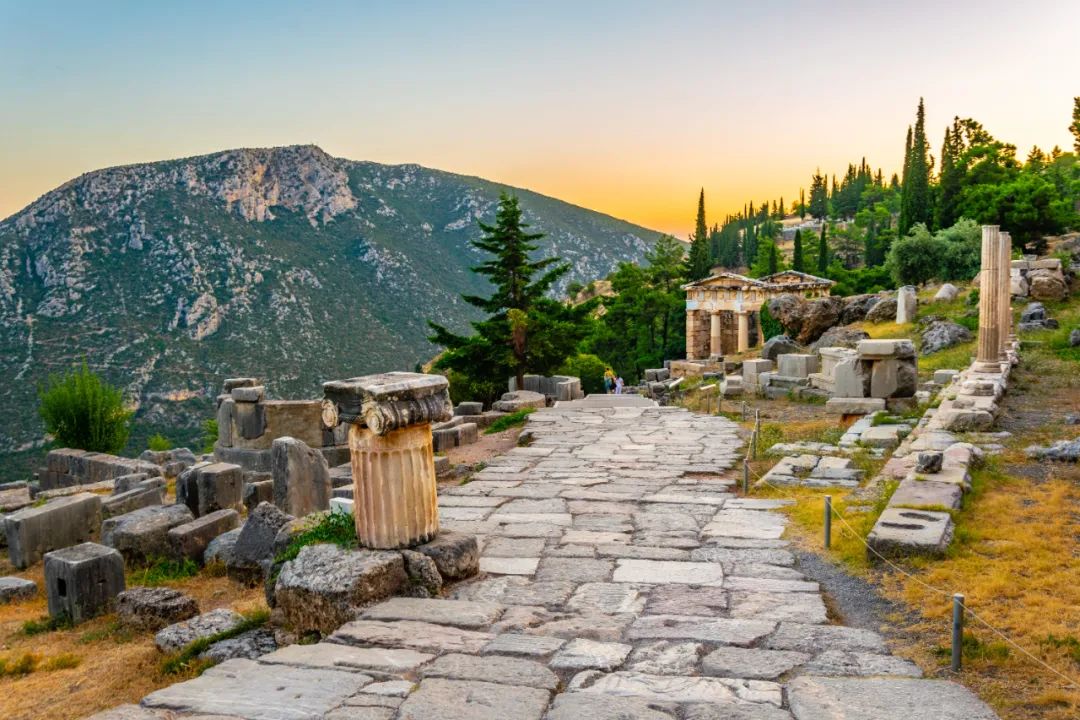
Soon after, the local residents built the village of Castries on the ruins, reused the ancient marble in the ruins, and built about 100 houses.
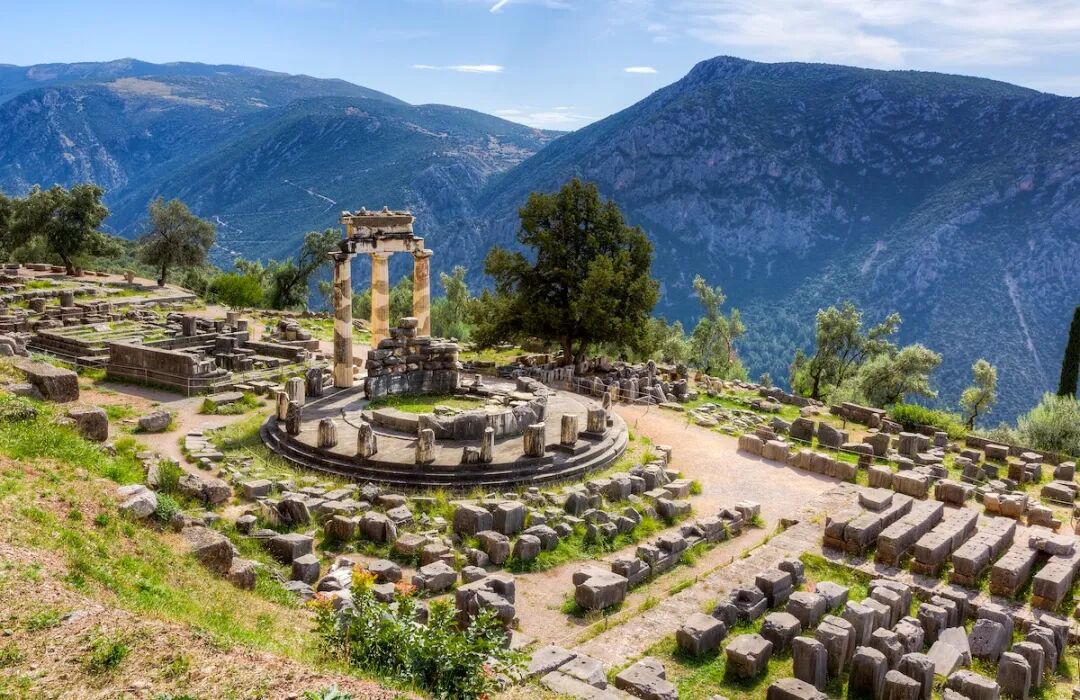
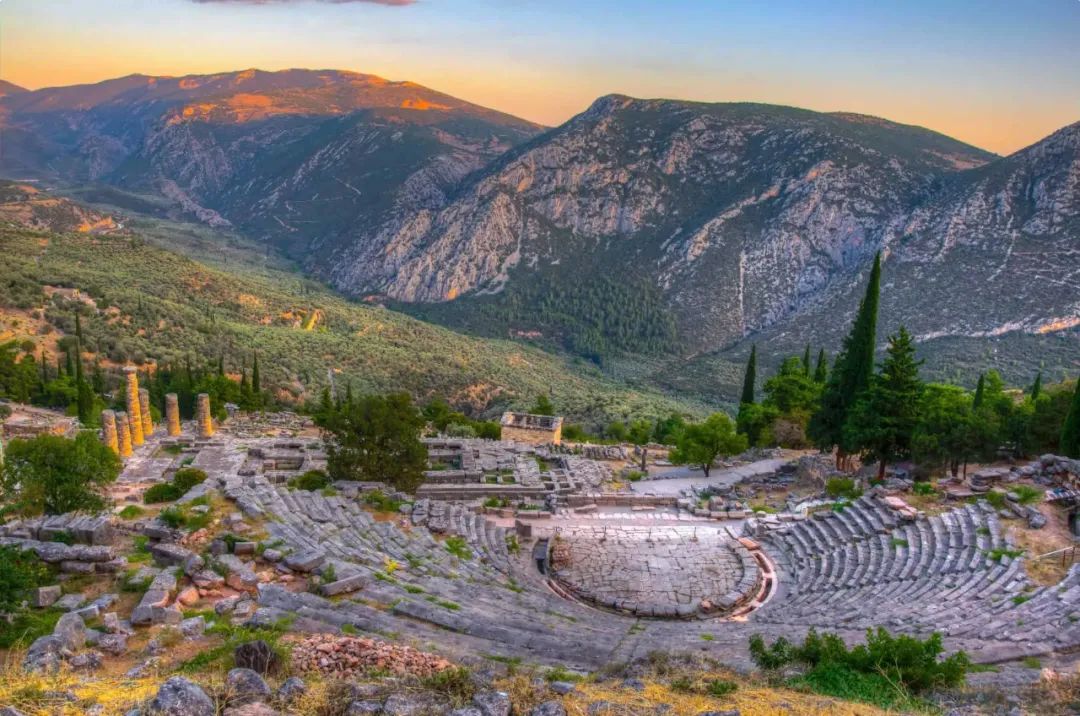
After that, the temple was buried in dust until archaeologists in the 19 th century visited according to clues and suspected that this was the legendary Delphi. After systematic excavation, this holy place finally saw the light of day again.
In 1987, the archaeological site of Delphi was added to the UNESCO World Heritage List.
NO.03
Coiba National Park, Panama (Coiba National Park, Panama)
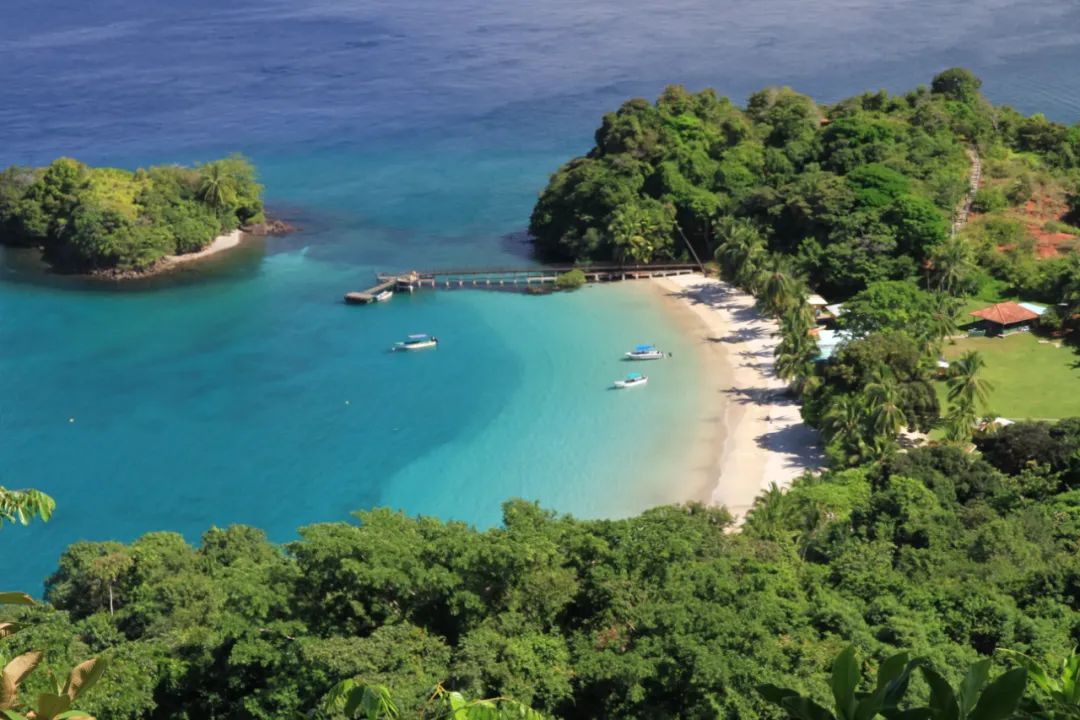
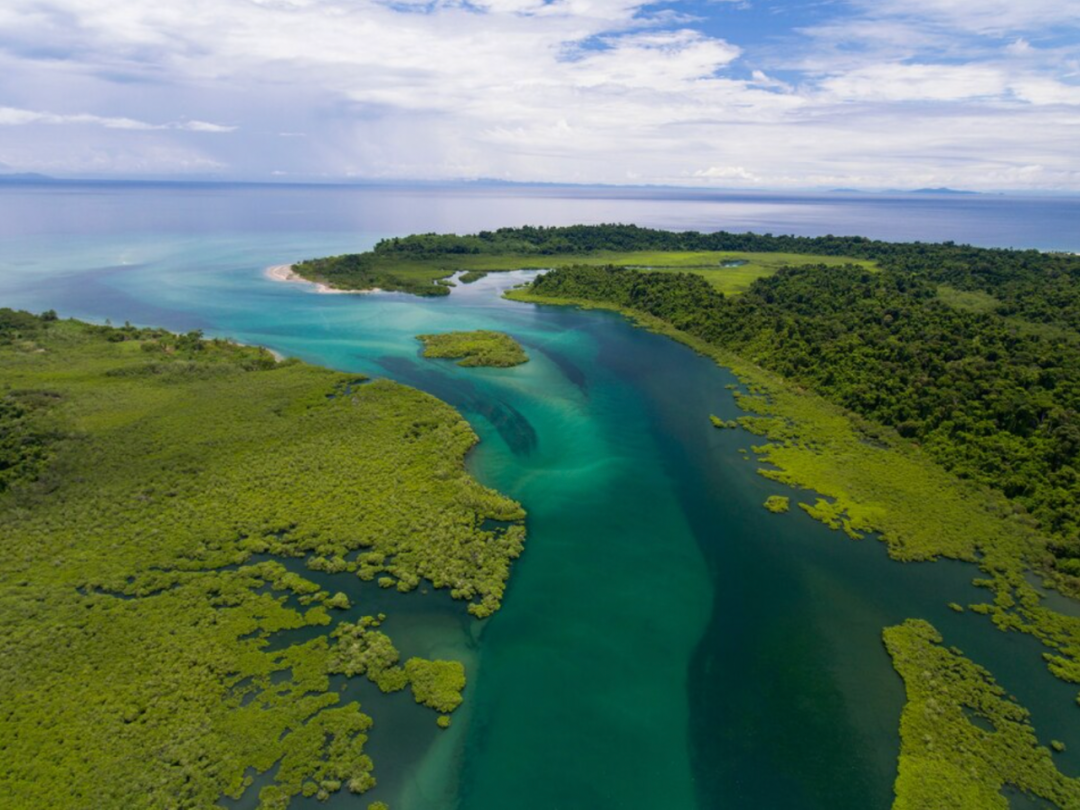
In the vast Pacific Ocean, not far from the coast of Panama, lies the largest island in Central America-Coiba, O. More than 80% of the island’s area is covered by tropical rainforest, making it one of the most biodiverse hotspots on the planet.
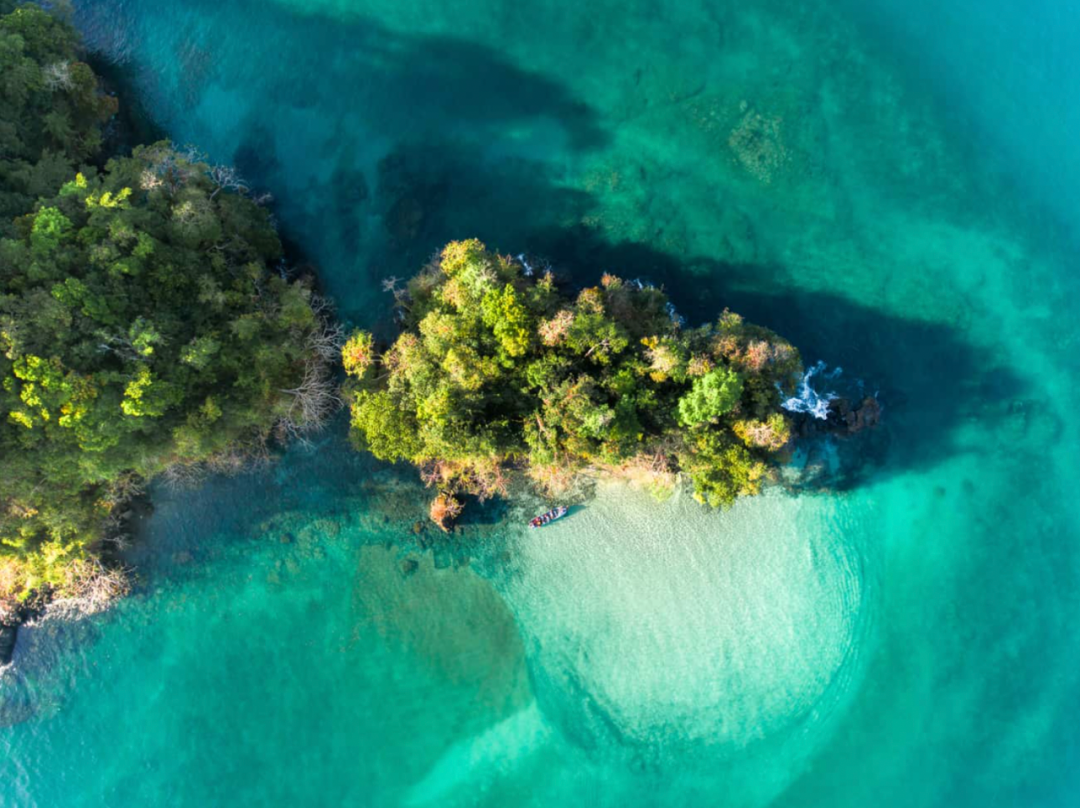
The island of Coiba was separated from the mainland about 10,000 years ago.After a long period of independent evolution, this isolated island,It breeds thousands of endemic plants and unique animals. The surrounding sea area is full of pristine coral reefs.
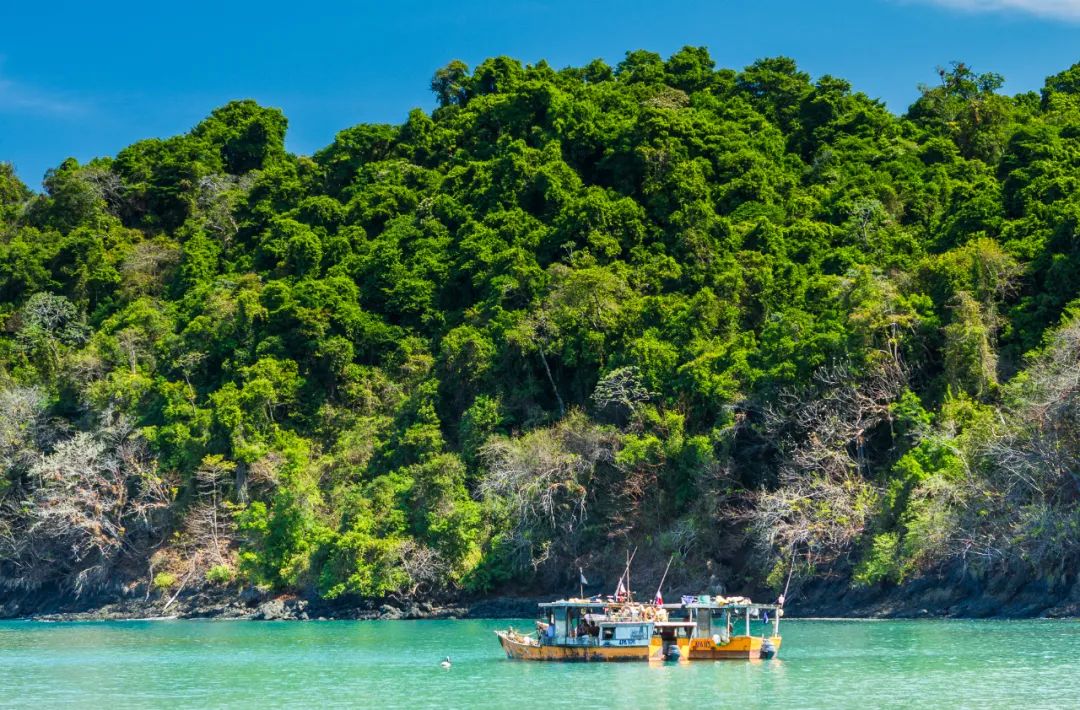
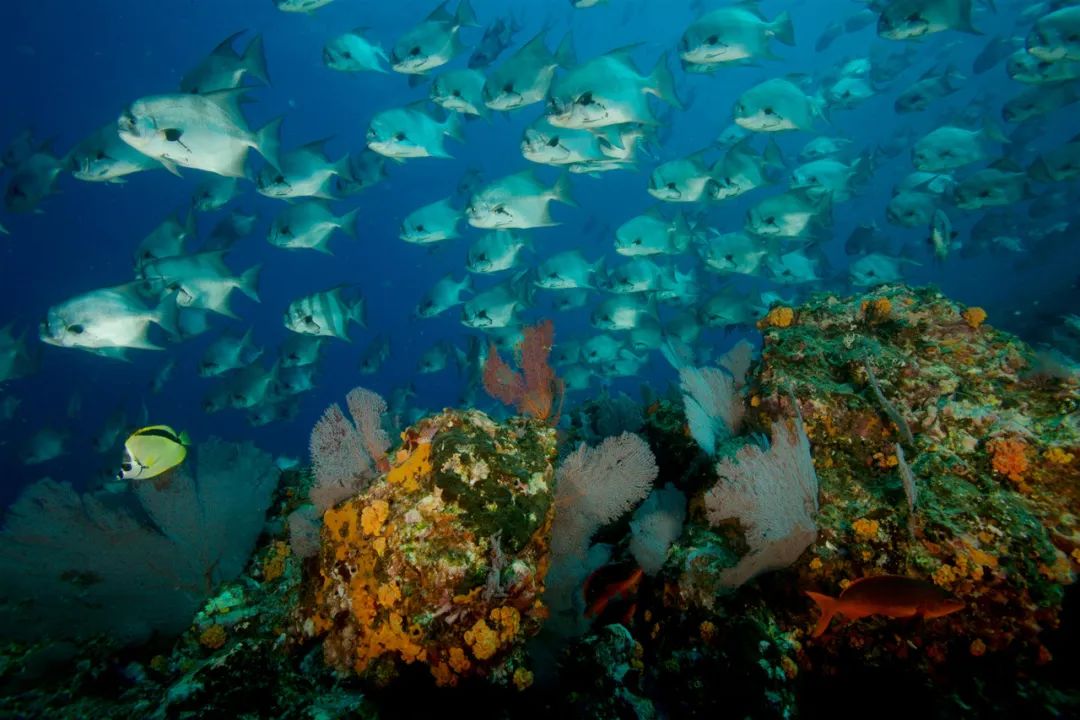
However, the survival of this natural wonder on the island is due to an unknown dark history.
From 1914 to 2004, Coiba Island was an isolated prison island,Specializes in imprisoning the country’s most dangerous criminals, as well as political prisoners during dictatorship.
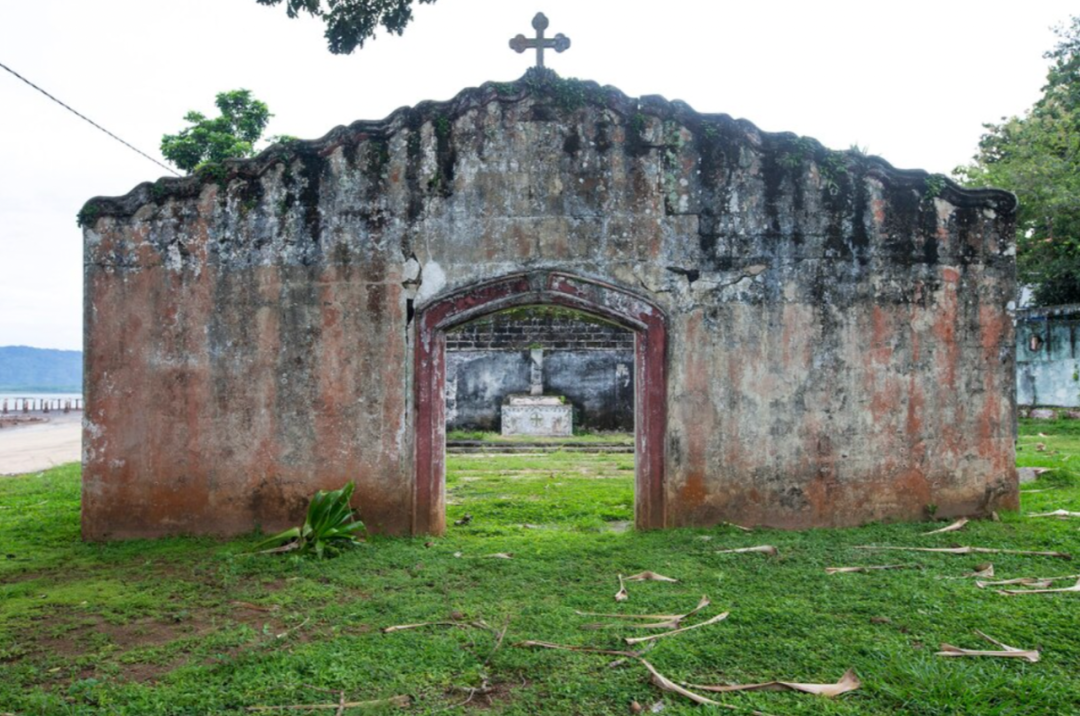
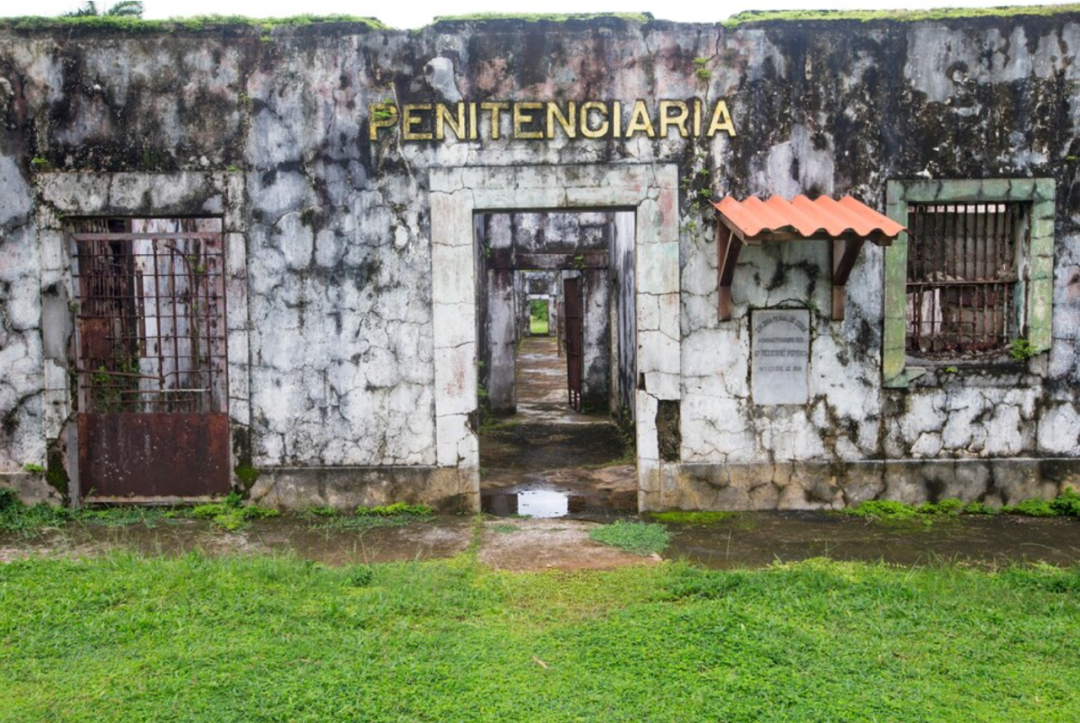
Unlike ordinary prisons surrounded by high walls, prisoners on the island are scattered among about 30 isolated camps and forced to perform heavy manual labor.
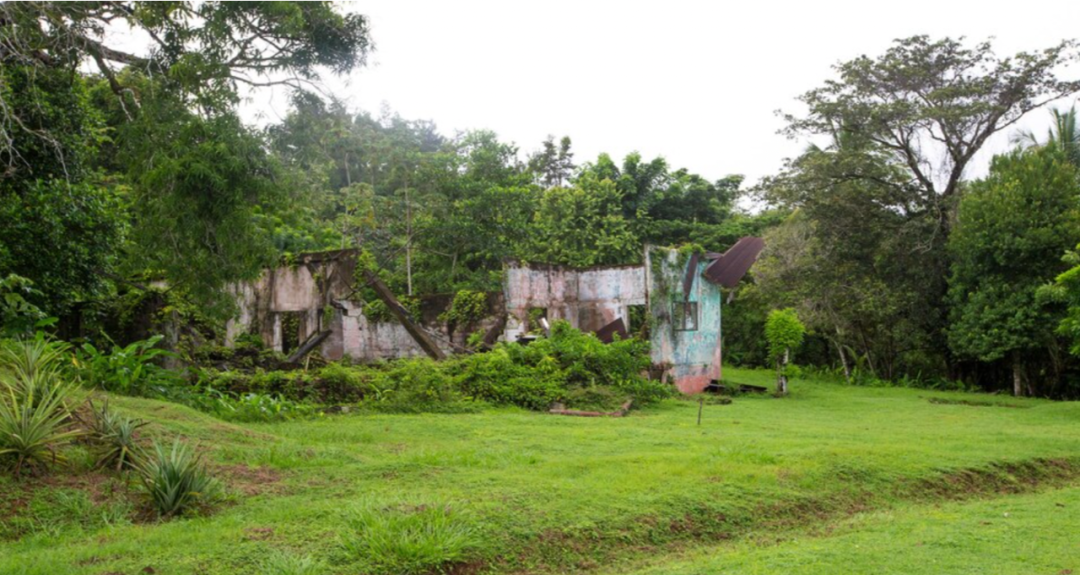
For prisoners, being sent to Coiba is almost equivalent to the death penalty.The harsh environment of the island, the harsh labor or the threat of other prisoners can all be fatal. Therefore, those sent here are often referred to as “missing persons”.
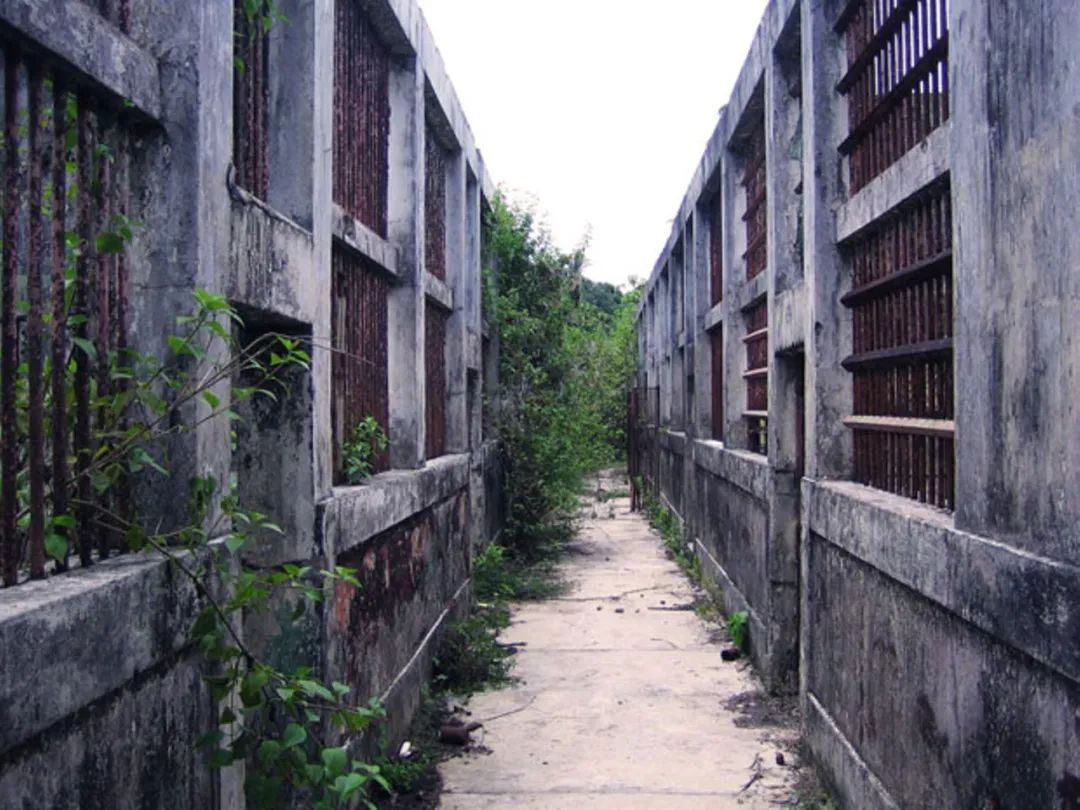
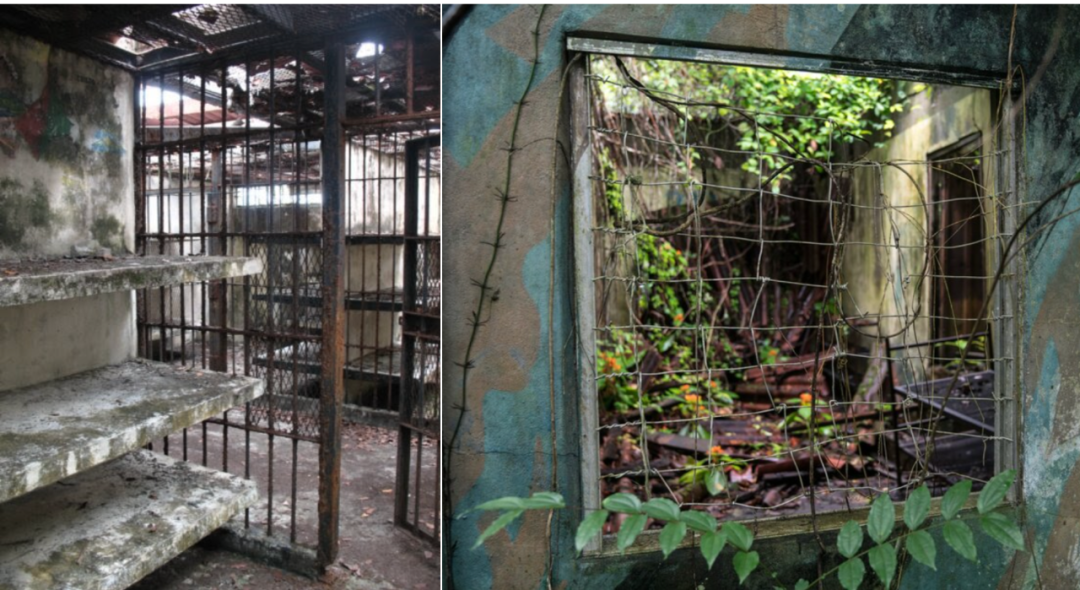
Anyone who tries to escape may be swallowed up by crocodiles in the surrounding waters. Countless prisoners were buried in unknown graves or thrown into the sea.
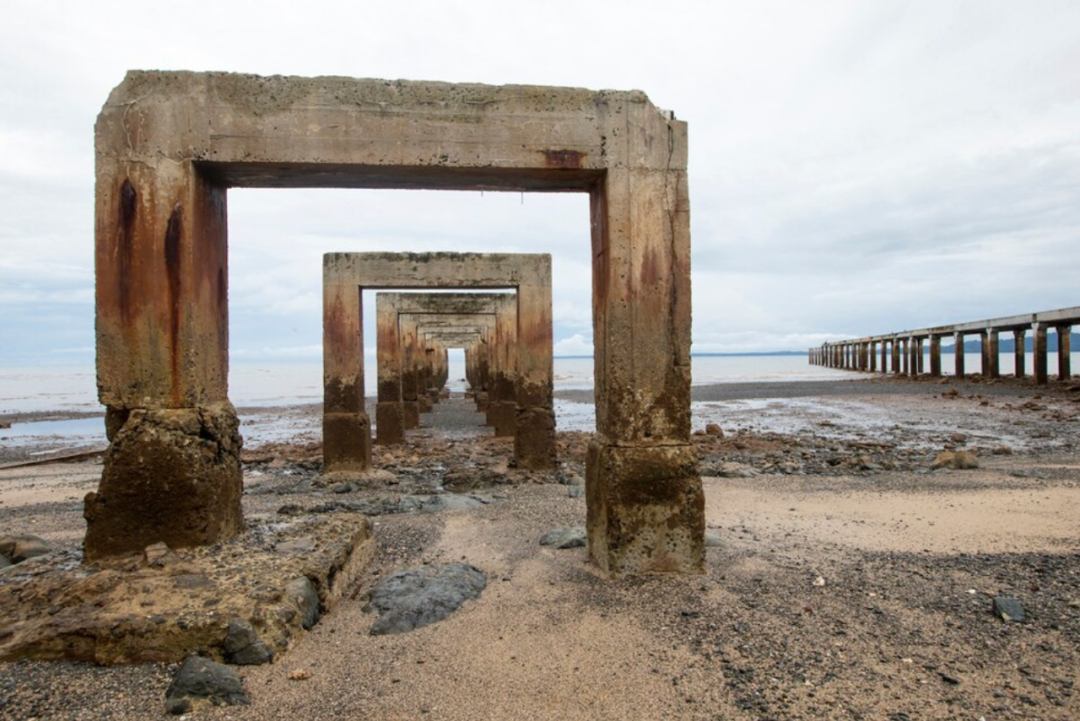
However, it is precisely because the island has been isolated from the world for a long time and strictly controlled that its natural environment can develop freely in almost static time, just like an ecological “time capsule” that has been sealed for a hundred years.
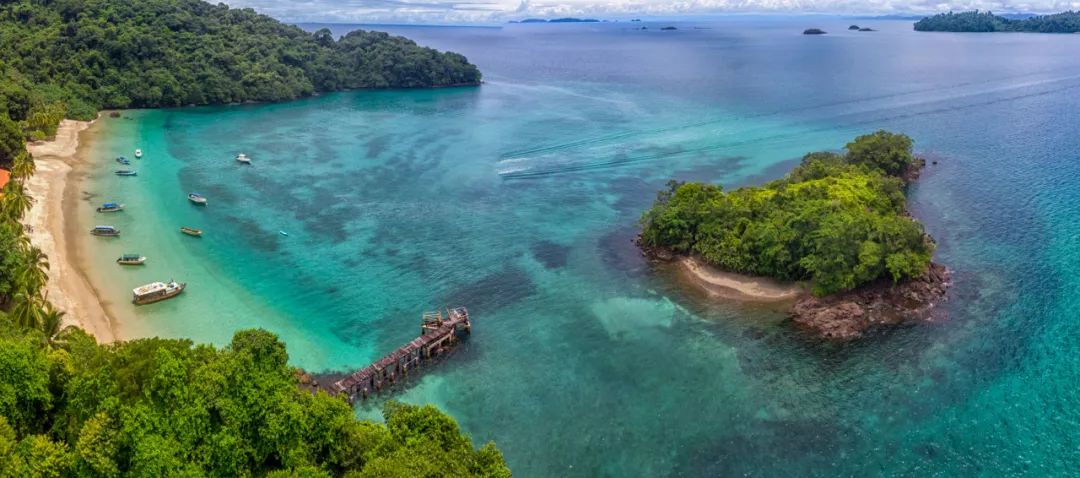
In 1992, the Panamanian government officially established the “Coiba National Park”, which covers about 1,042 square miles of virgin forests, beaches, mangroves and coral reefs, including the whole Coiba Island.
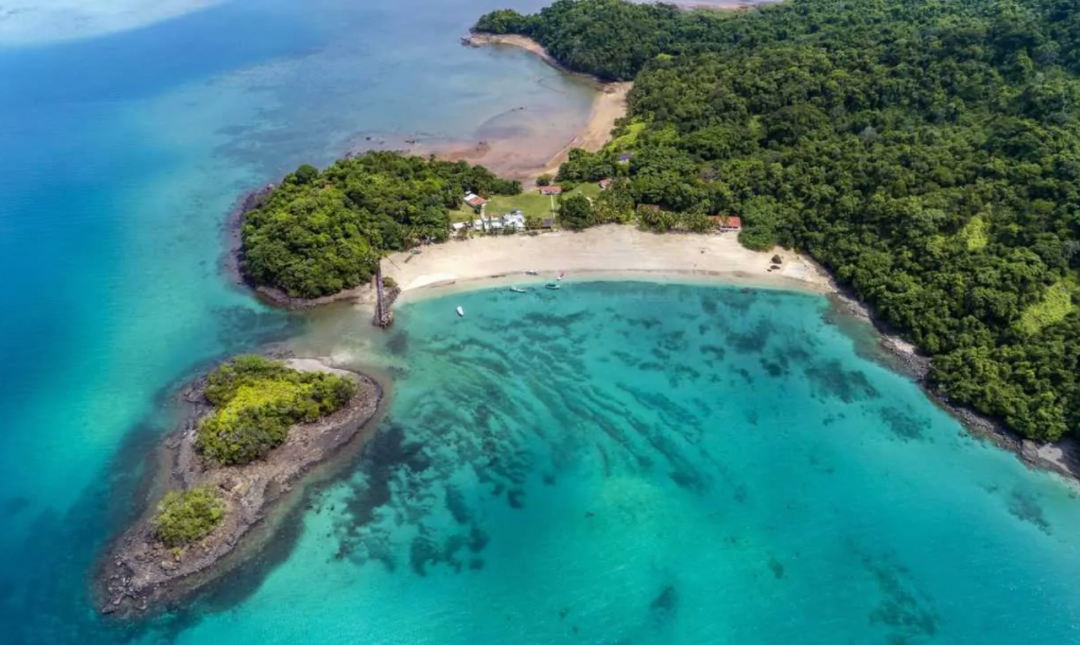
Just a year after the prison was closed, UNESCO announced:Given its extraordinary ecological value, Coiba National Park is included in the World Heritage List.
NO.04
Abu Simbel Temple, Egypt (Abu Simbel Temples, Egypt)
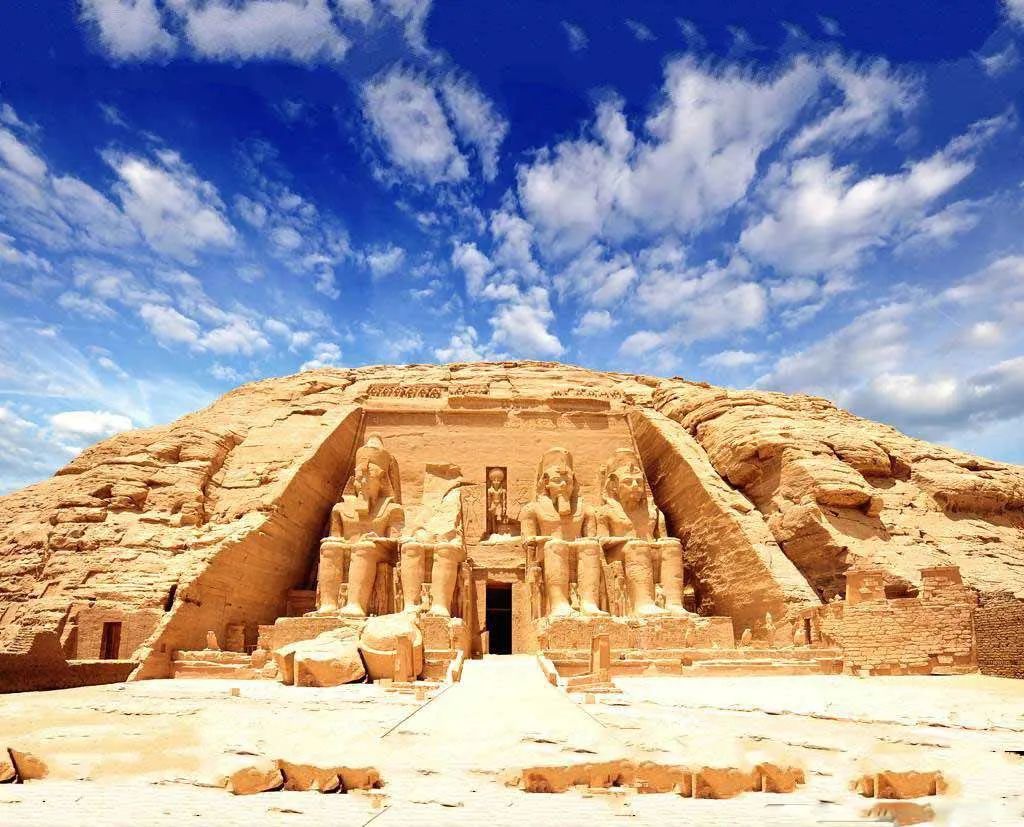
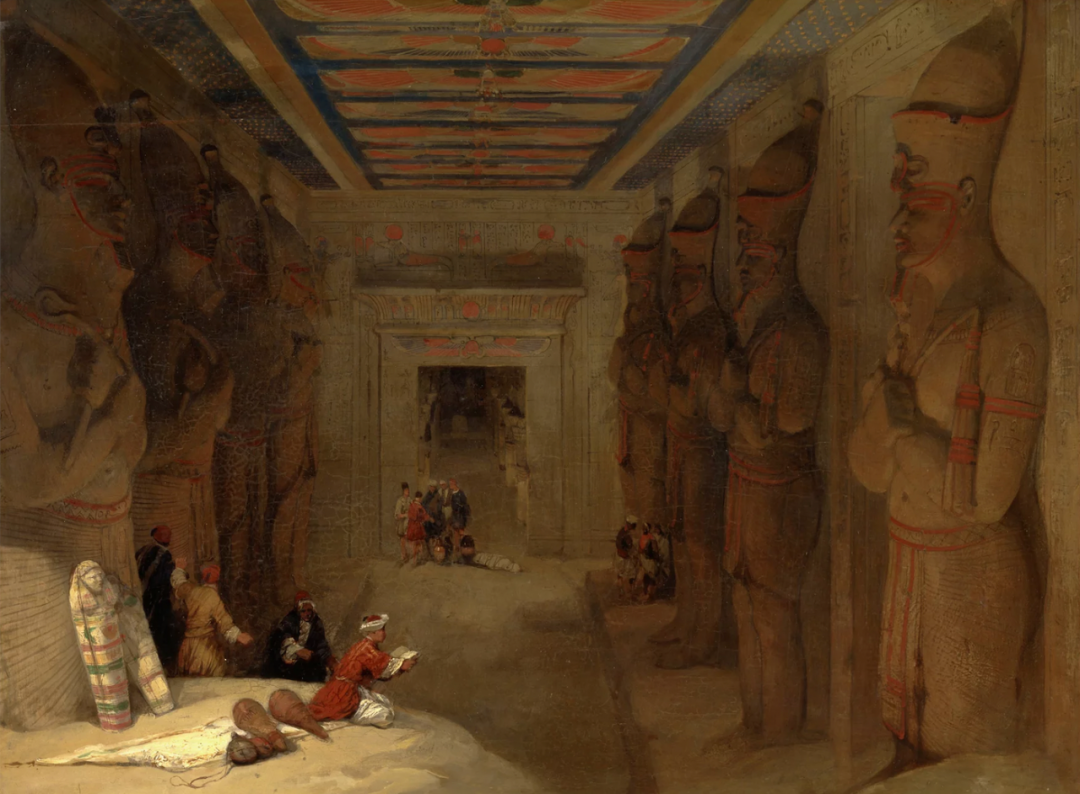
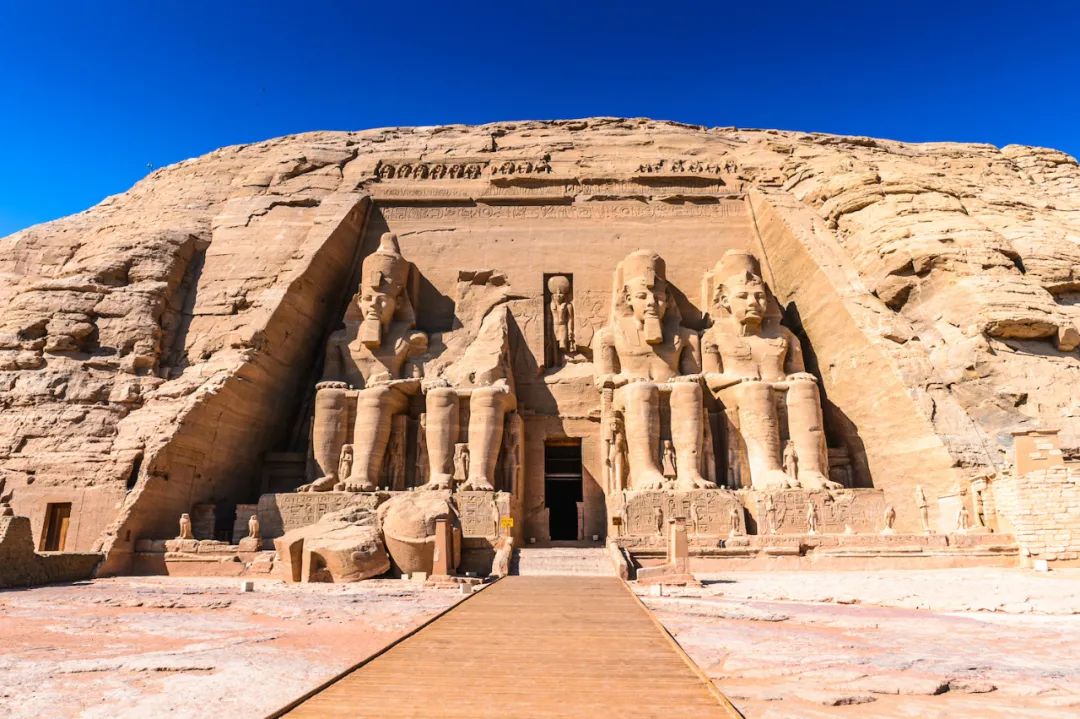
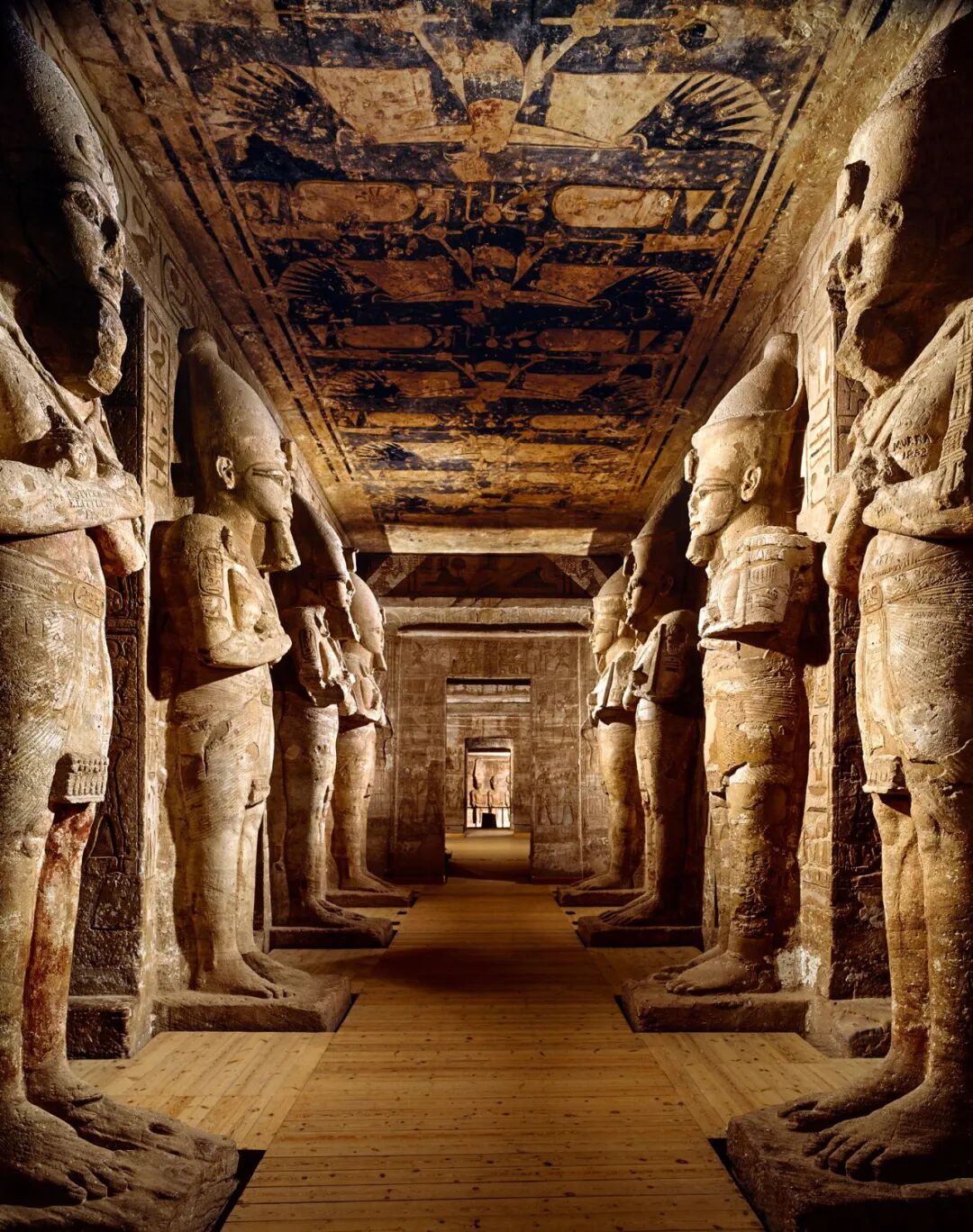
For three thousand years, twice a year, in the early morning of February and October, sunlight would penetrate the temple corridor more than 60 meters deep, accurately illuminating the colossus of Ramses II in the deepest temple.
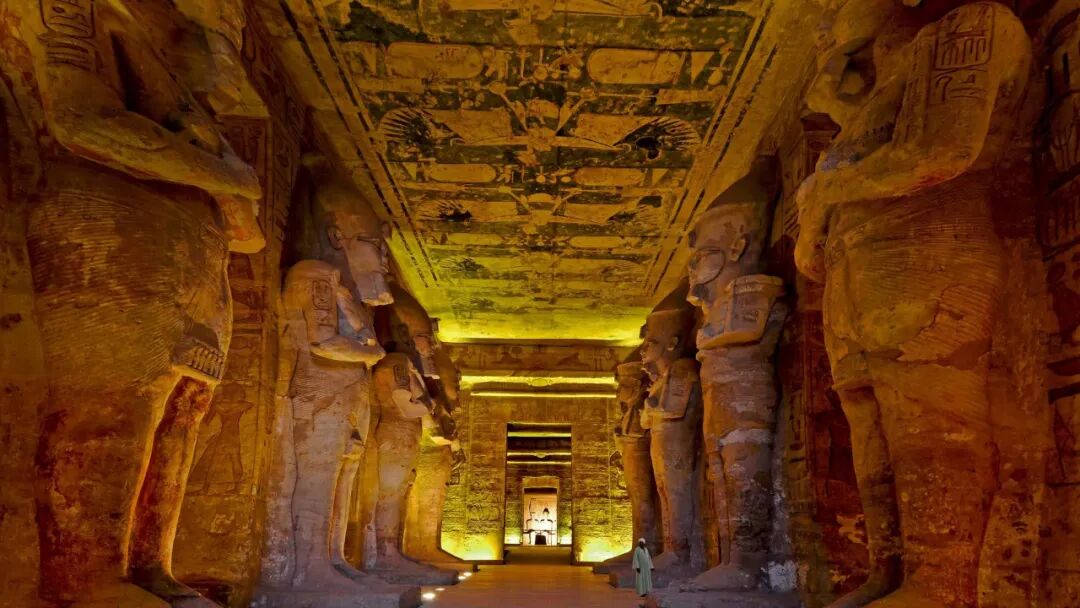
This temple, carved directly from the rock, was intended to demonstrate the supreme authority and divinity of Pharaoh to the Nubians in the upper Nile.But as the years went by, it was gradually buried by yellow sand and remained silent for centuries.
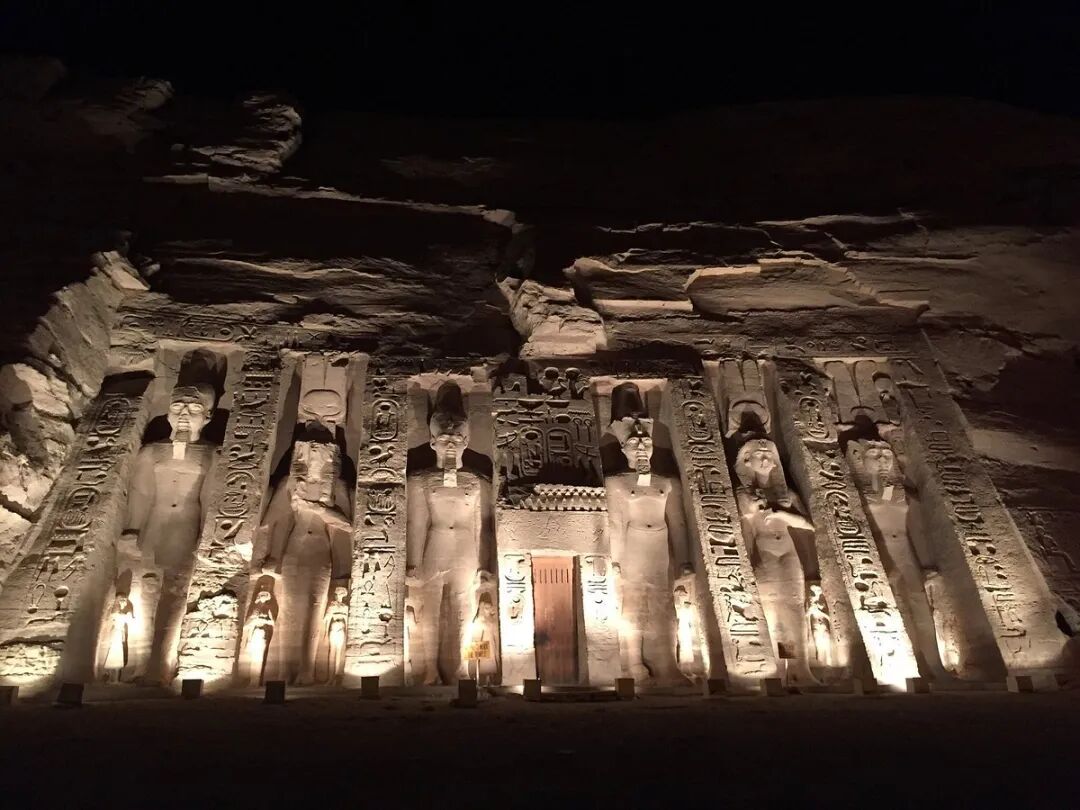
It wasn’t until it was rediscovered in 1813 that the world could once again admire this magnificent masterpiece of ancient Egyptian astronomical wisdom and architectural skills.
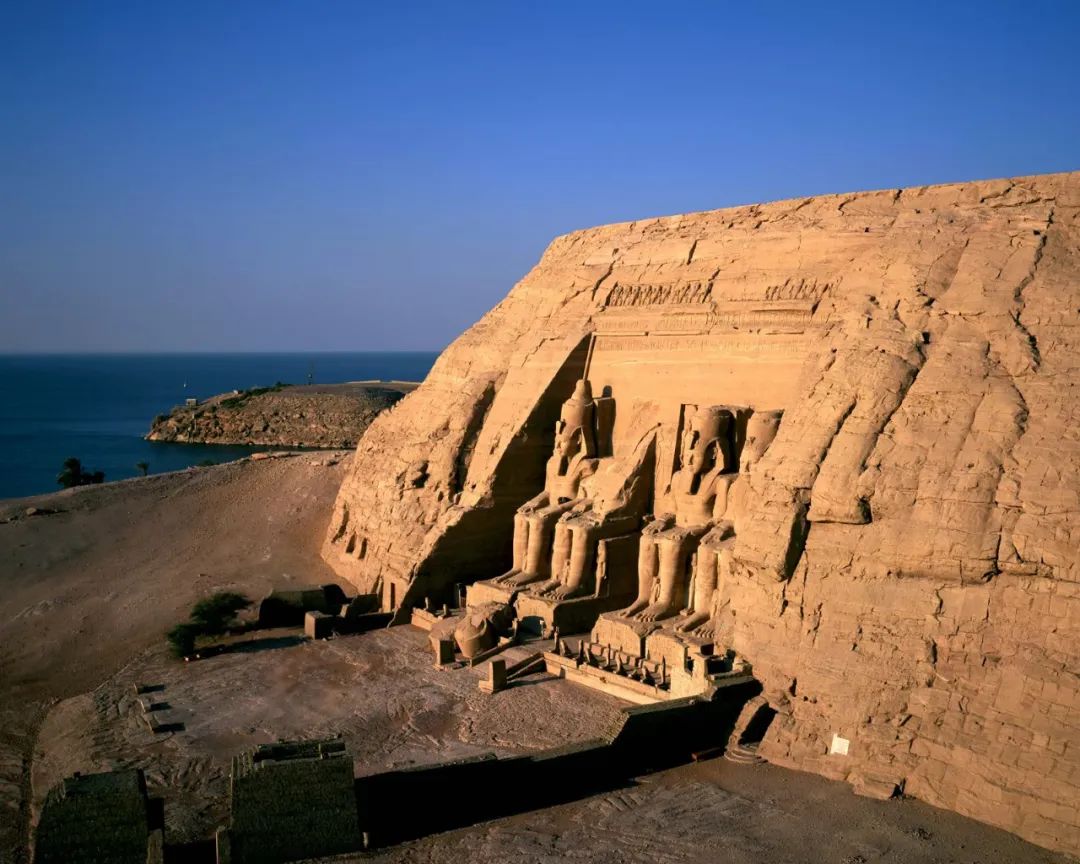
However, a century later, a modern project brought disaster to the historic site:The construction of the Aswan High Dam will cause the water level of the Nile to rise significantly, thus completely flooding the temple.
A difficult choice lies ahead of us:Do we have to sacrifice ancient heritage for the development of the present?
An unprecedented international operation to save Egyptian temples began. UNESCO certifies this:Humanity does not need to sacrifice history in exchange for modern prosperity.
In 1964, an engineering miracle in a race against time was launched. Under the coordination of UNESCO, experts from more than 50 countries have worked together to meet the most severe challenges in the history of archaeological engineering.
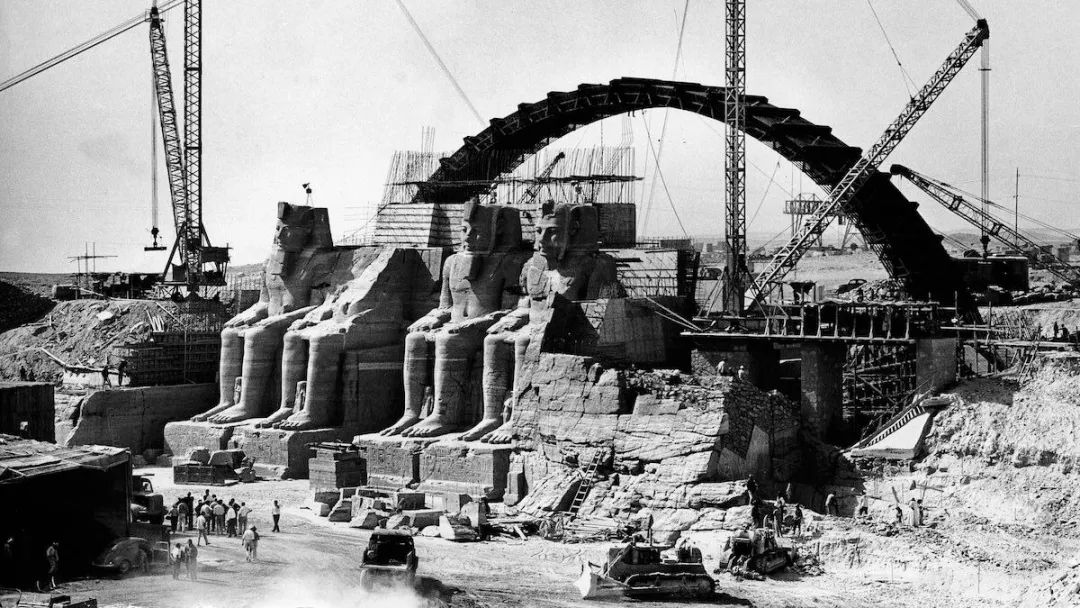
After nearly twenty years, the whole temple complex has been carefully cut into thousands of boulders, numbered, transported, and accurately reorganized and restored to its original appearance on a new site 65 meters high.
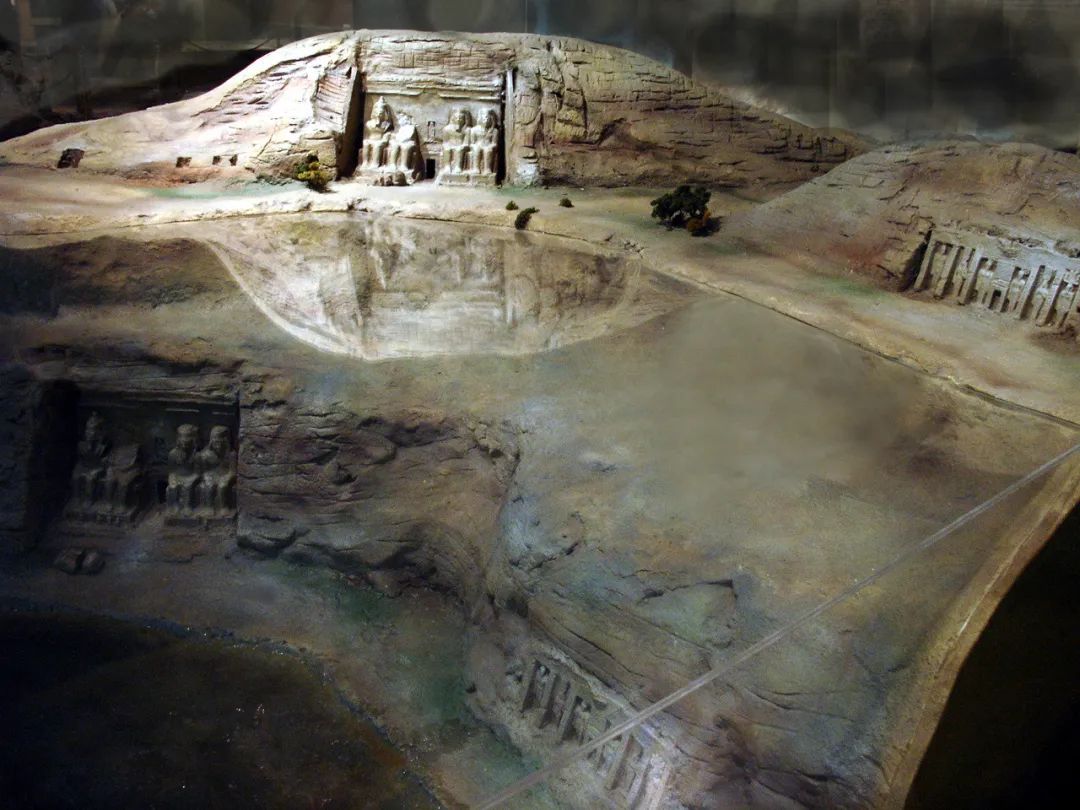
Today, the four colossus of Ramses II guarding the entrance still gaze solemnly at the Nile and the rising sun every day, as if time had never passed.
The success of the Abu Simbel relocation project has convinced the world that:In the face of development pressure, conflicts and even climate change, mankind has the wisdom and determination to protect those precious heritages that carry the common memory of all mankind.
NO.05
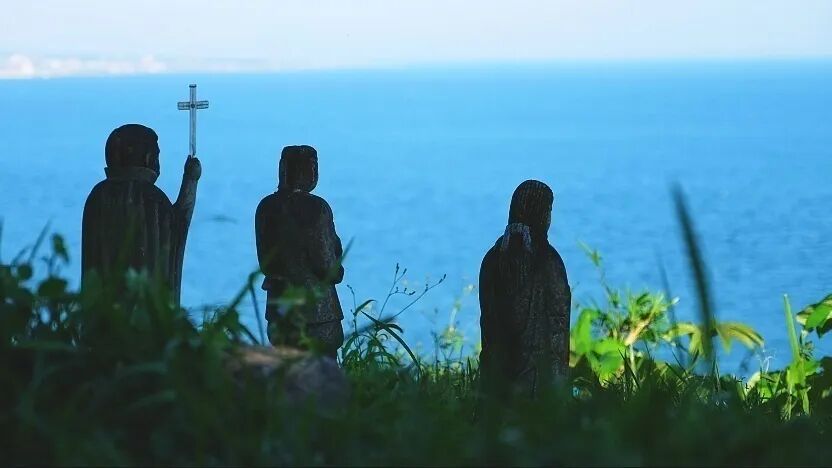
Hidden Christian Heritage in Nagasaki and Amakusa Areas of Japan Hidden Christian Sites, Nagasaki Region, Japan
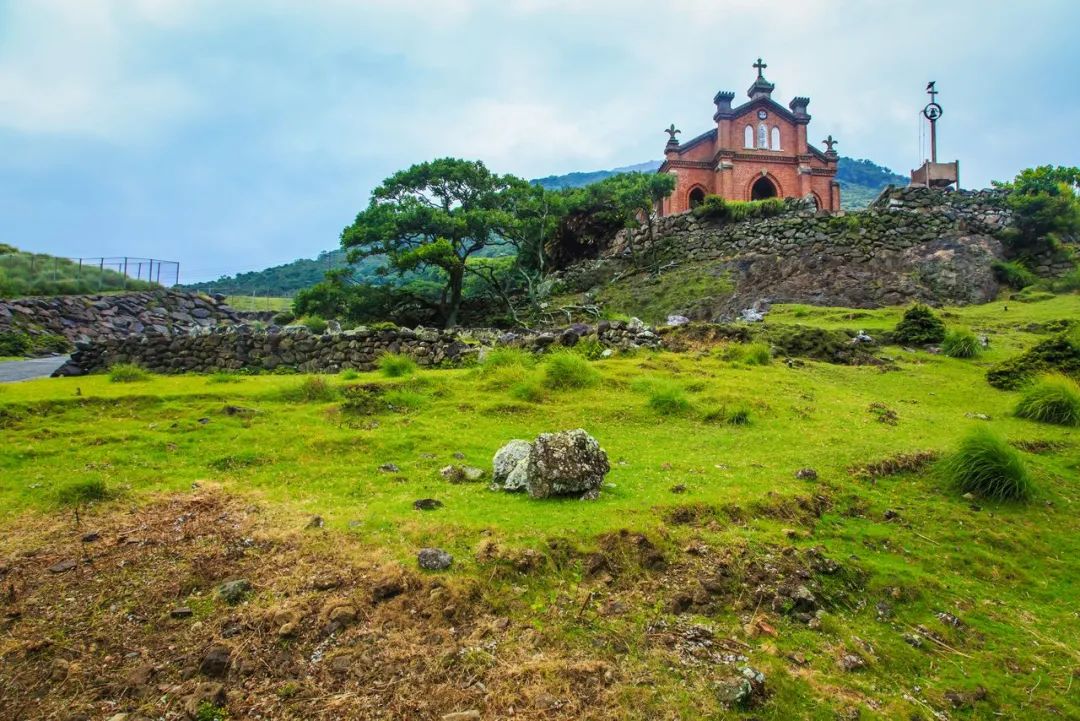
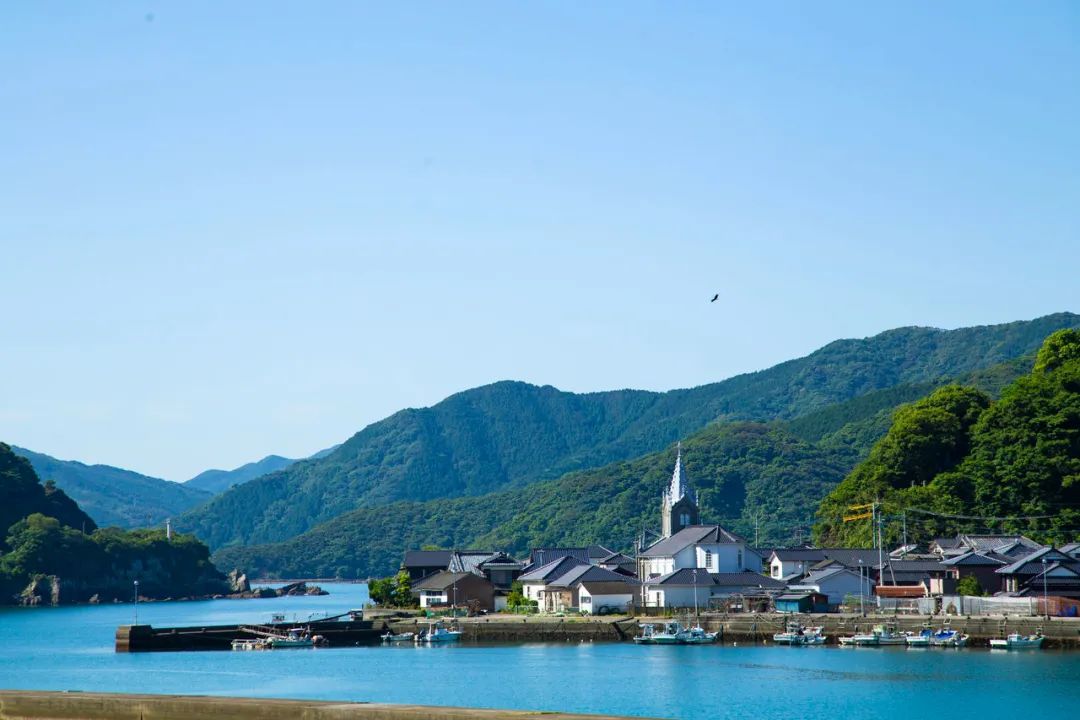
In 2018, UNESCO listed the “Hidden Christian-related Heritage in Nagasaki and Amakusa Areas” in northern Kyushu, Japan as a World Cultural Heritage.
The heritage consists of villages, castle ruins and churches formed from the 16 th to 19 th centuries.It vividly reflects the activities of missionaries and believers and their unique way of life in the early days of Christianity introduced into Japan.
Christianity was introduced to Japan in 1549 and initially developed rapidly in Kyushu. However, Toyotomi Hideyoshi issued a ban in 1587, and then began nearly three centuries of persecution and suppression of Christians.
Despite this, many devout believers have found ways to maintain their faith in secret.Because of their long-term isolation from the church center, their faith practice gradually evolved into a unique form with Japanese characteristics.
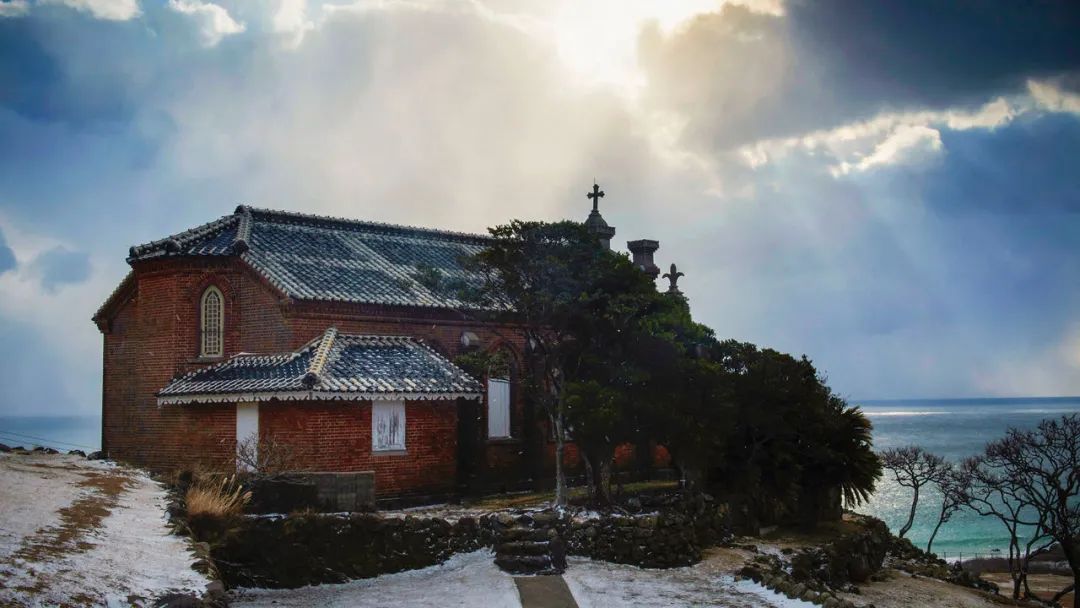
Japan reopened after the Meiji Restoration and officially revoked the ban in 1873. Those Christians who have hidden their identities and secretly passed down their beliefs for hundreds of years have finally been able to publicly declare their beliefs.
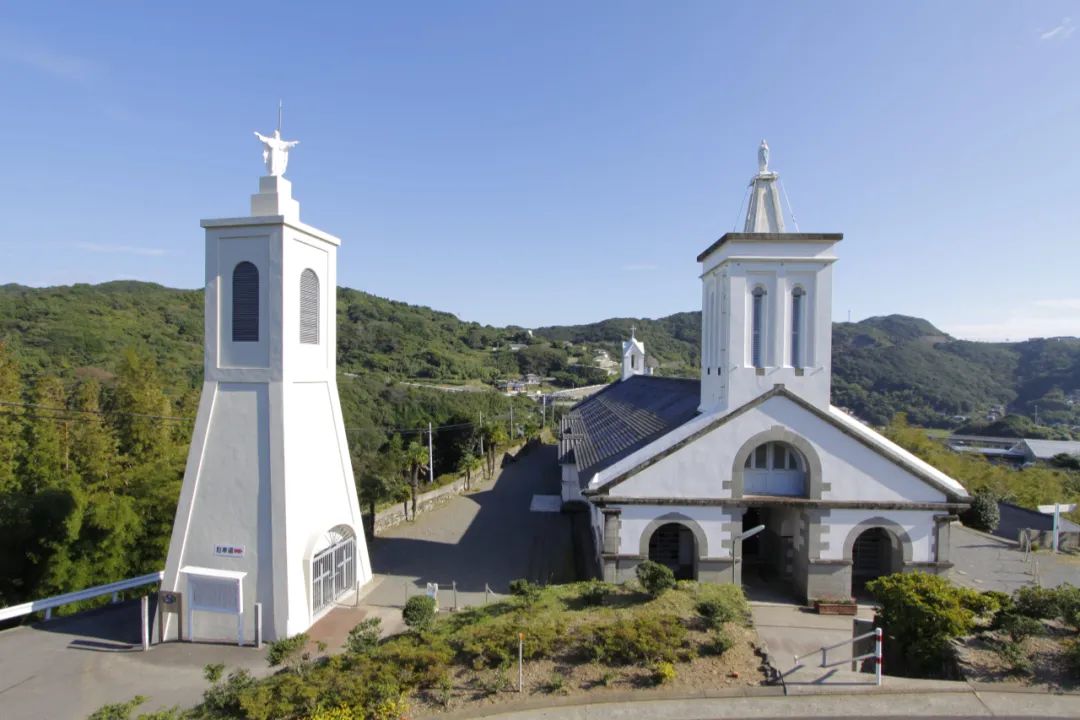
Among the churches built in the late 19 th century, Oura Catholic Church in Nagasaki is the most famous.
This Gothic church was built in memory of 26 believers (Japan’s earliest martyrs) who were executed by Toyotomi Hideyoshi in 1597. They were highly revered in Europe and canonized in 1862.
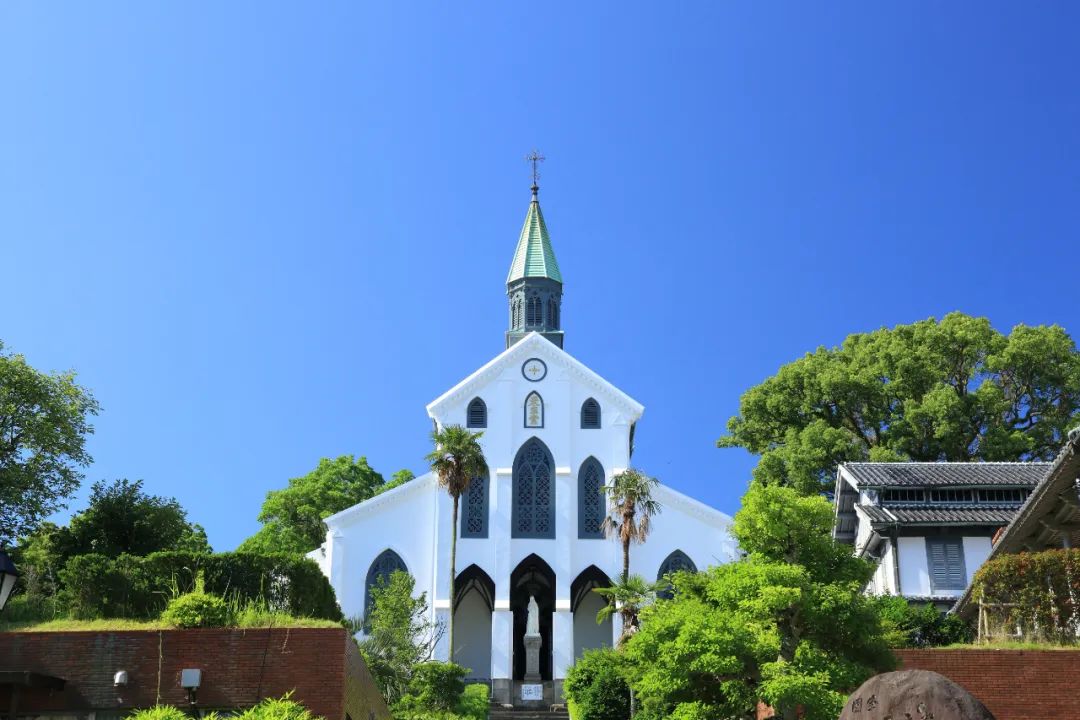
Shortly after the church was completed,On March 17 th, 1865, in Oura Catholic Church in Nagasaki, more than a dozen secret Catholics from the nearby Urakami area confessed their faith for generations to French priest Bernard Petigian.
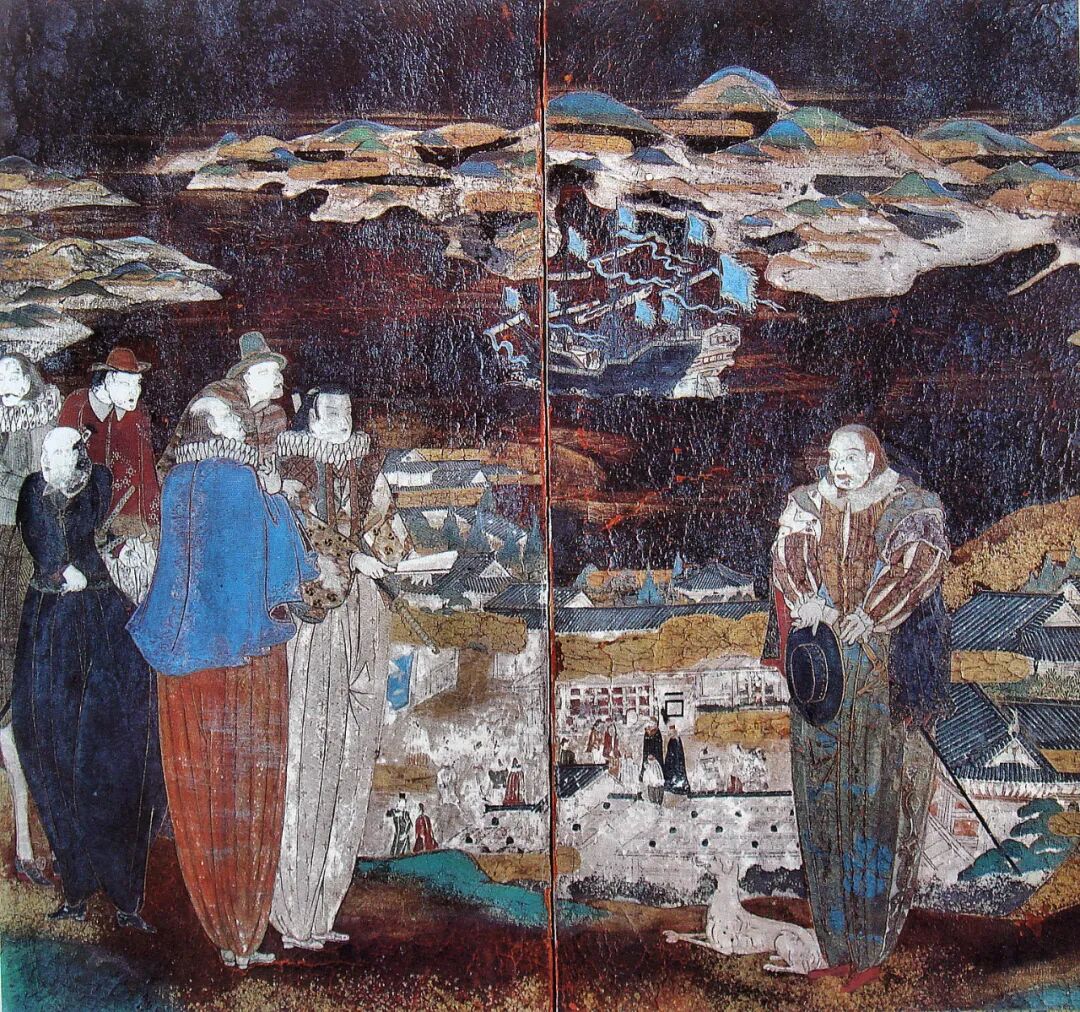
Under the severe persecution, there are still believers in Japan who secretly inherit their faith. This “discovery” shocked and moved the priest, and the news quickly spread all over the world.
Nowadays, in sites such as the caves of Ruosong Island, people can still see the traces of the hard life of “hidden Christians” in those days.
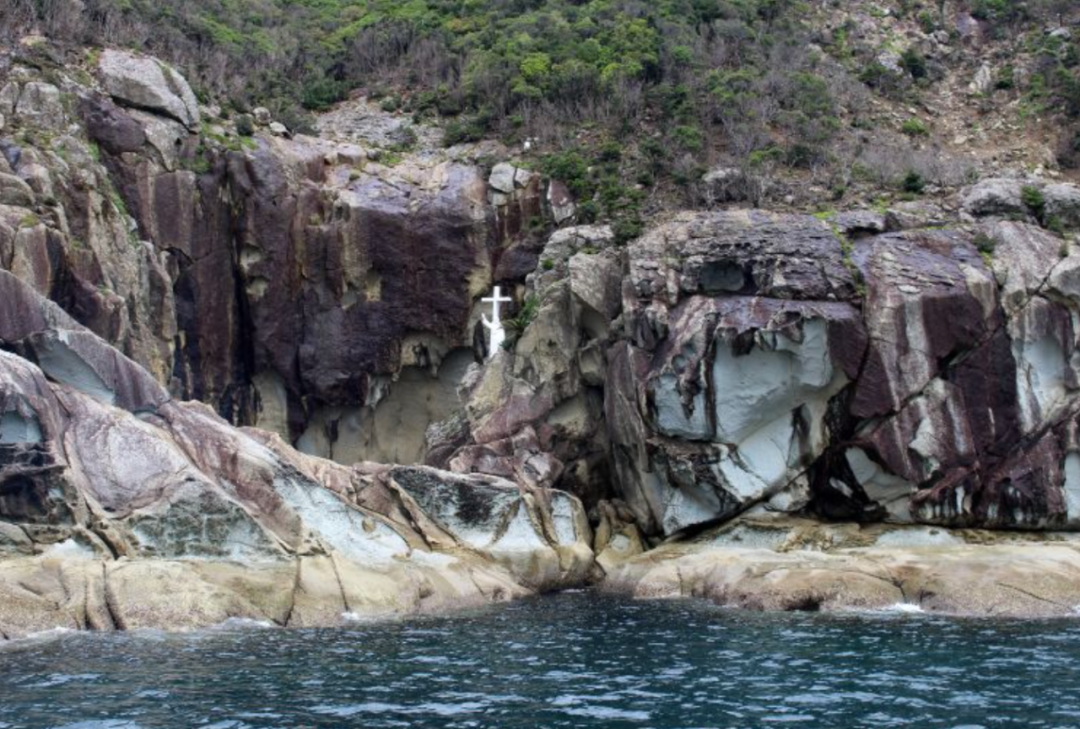
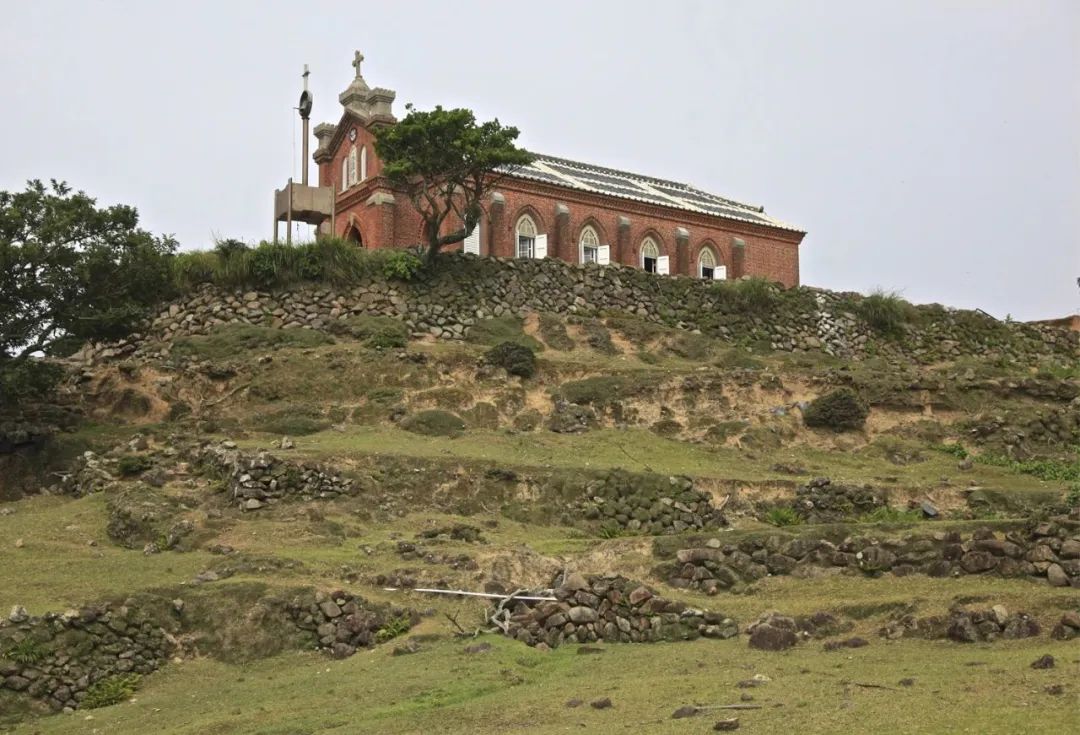
And at the northwest end of the island,The Jingshipu Church in Yuzhipu has the first prayer house in Japan modeled after the Cave of Our Lady in Lourdes, France.
According to legend, in 1858, the Virgin appeared to a maiden in a cave in Lourdes, France, from which springs with healing powers poured out.
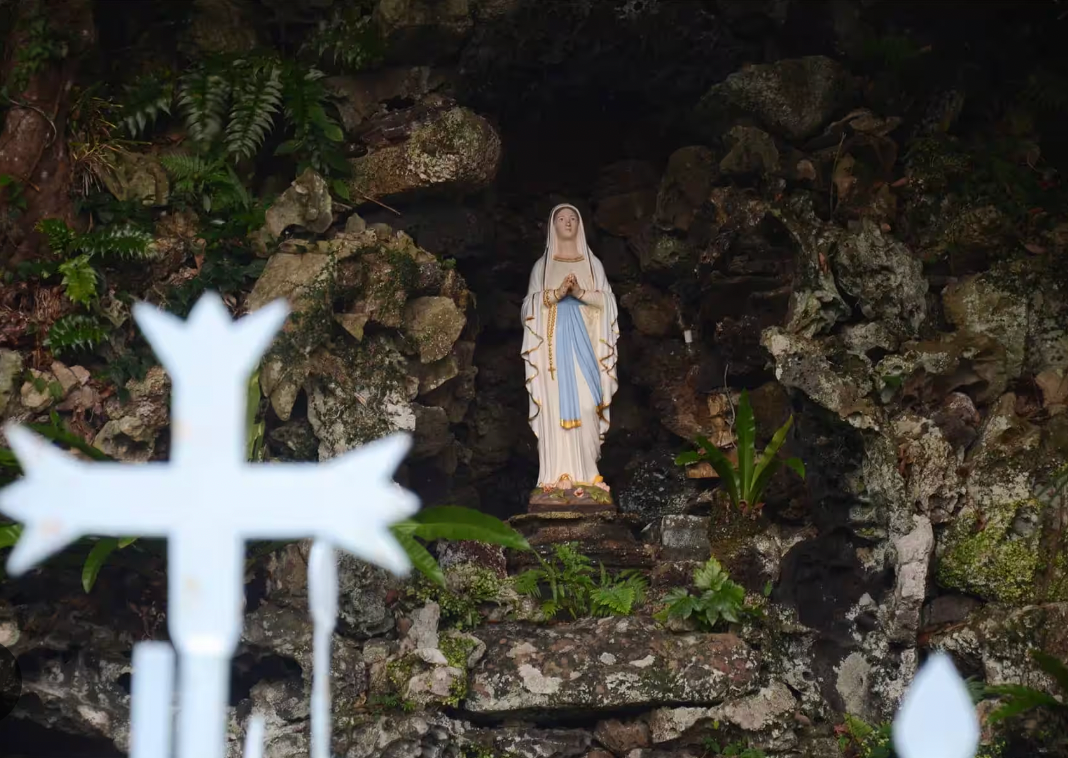
In 1891, news came that the Vatican officially approved the manifestation of Our Lady of Lourdes. In 1899, the “Cave of the Virgin” with the statue of the Virgin Mary was imitated by Ichiura Church.
Legend has it that the spring water here also has healing effects, attracting believers from all over Japan to make pilgrimages.
Watching this film will lead one to deep contemplation, especially a reflection on the nature of inner faith…