If you ever wanted to escape from reality, where would you find peace?Perhaps the real quiet place is not in the bustling city, but in the distant corners embraced by nature.
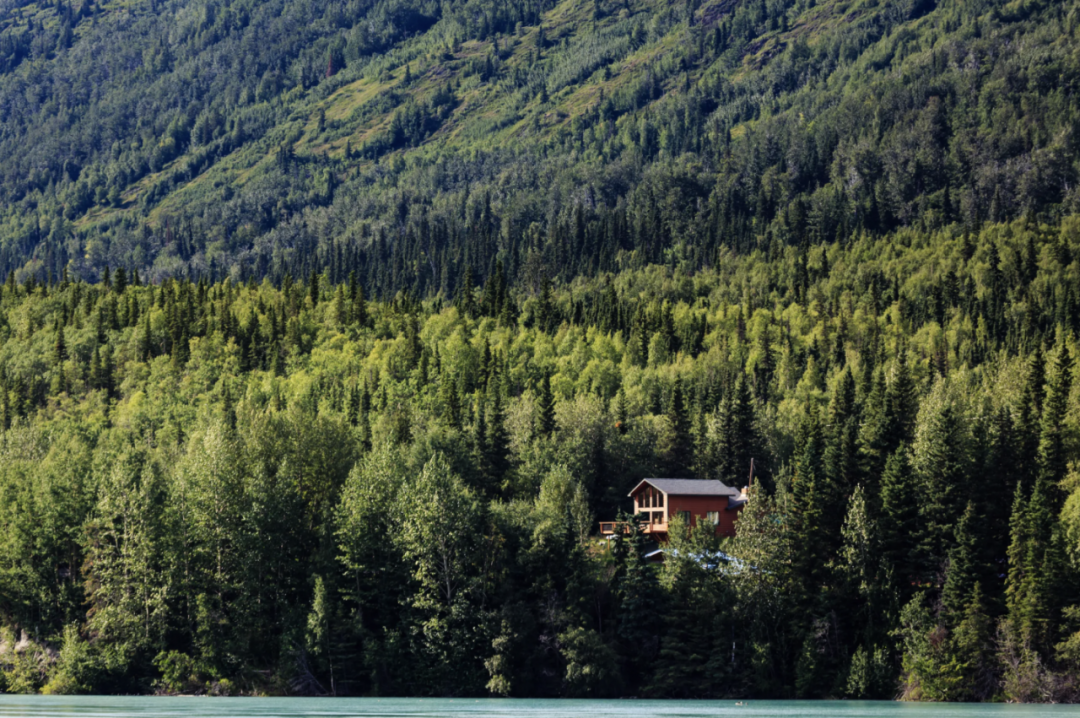
On the edge of the world, there are some lonely houses.They either stand on the top of a cliff or hidden on an isolated island, surrounded by magnificent scenery and isolated from the hustle and bustle of the world.
This issue takes you closer to ten independent residences around the world.From the isolated island huts in Iceland, the cliff monasteries in Georgia, to the shore villages in Faroe Islands and the old scientific research stations in Antarctica-each place carries a unique story.
As Zhuangzi said:Interact with the spirit of heaven and earth alone.These distant dwellings tell us:Sometimes, extreme loneliness contains extreme tranquility and freedom.
NO.01
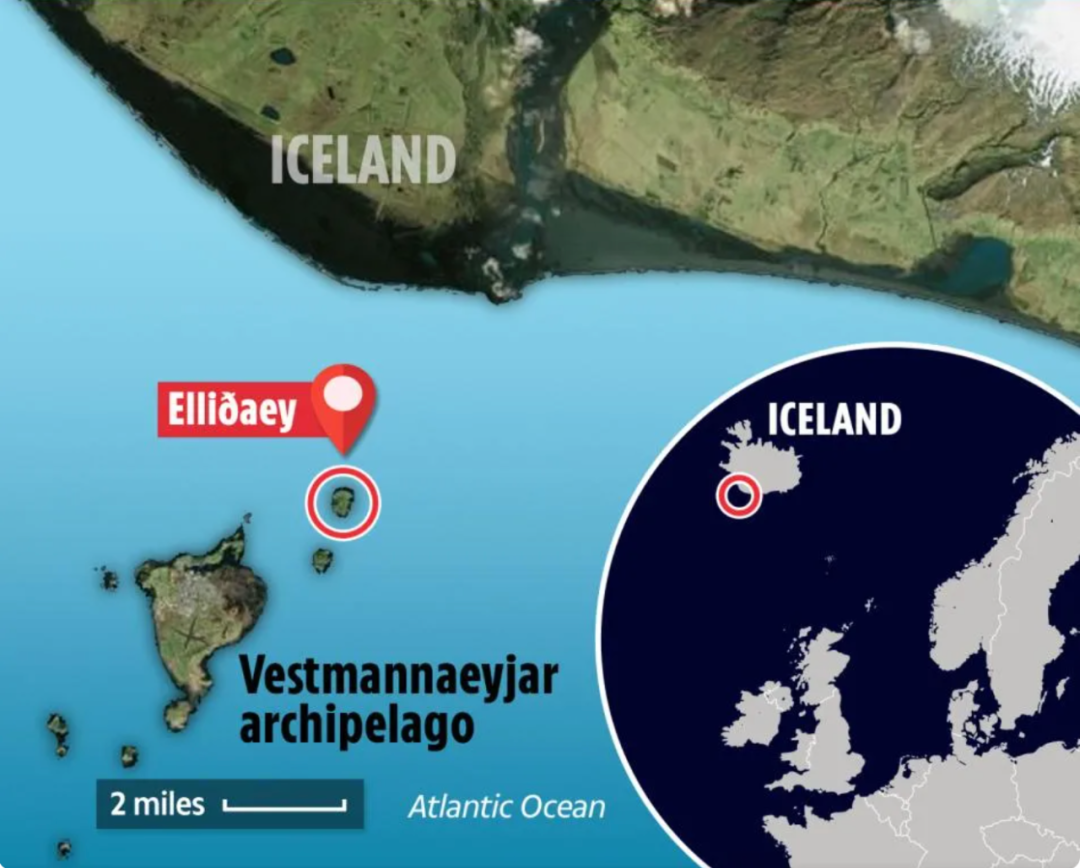
Ellidaey, Iceland
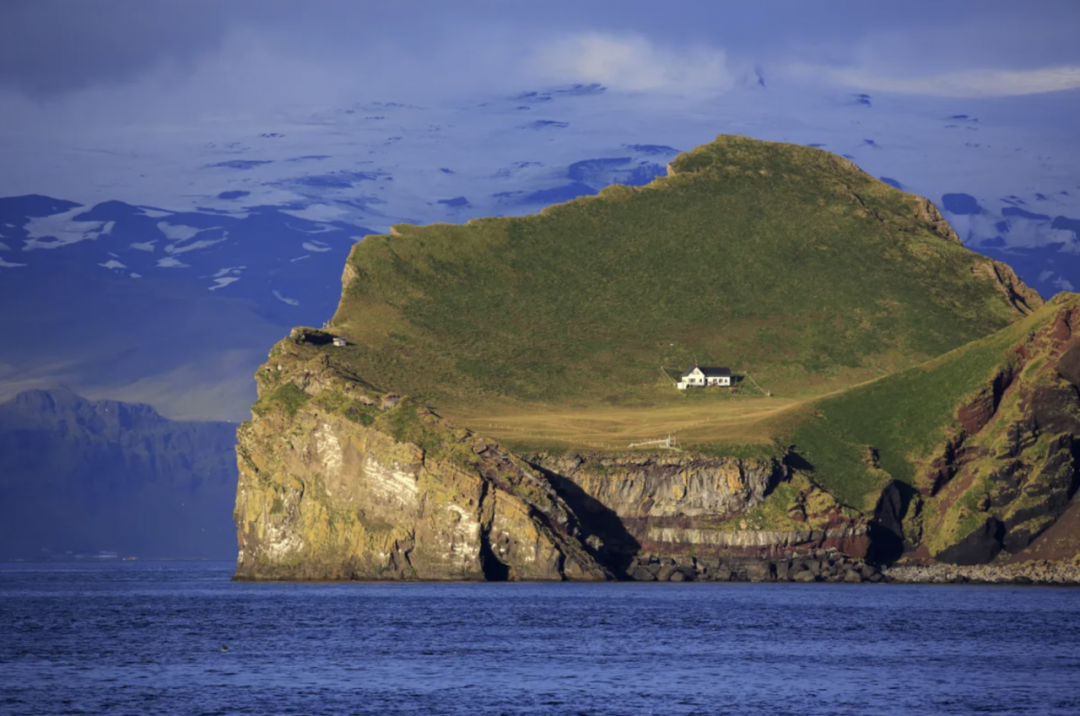
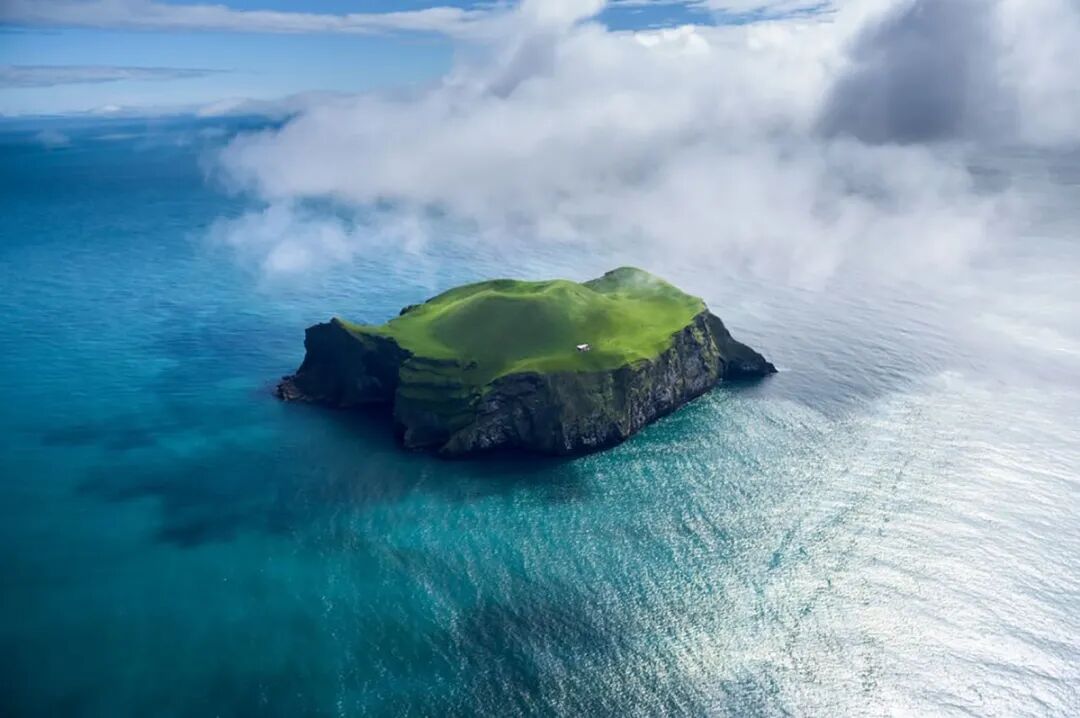
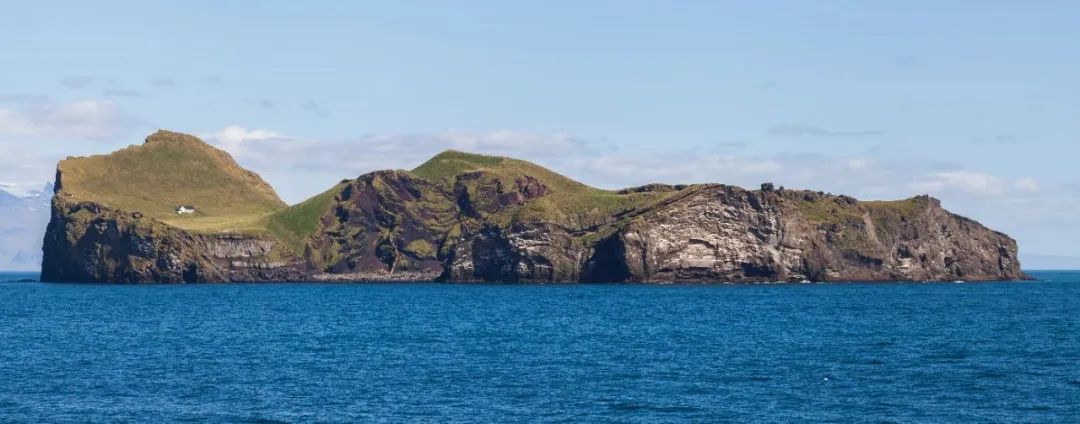
On the island of Elidi in the Westmanna Islands of Iceland, there is a lone cottage known asThe loneliest house in the world。
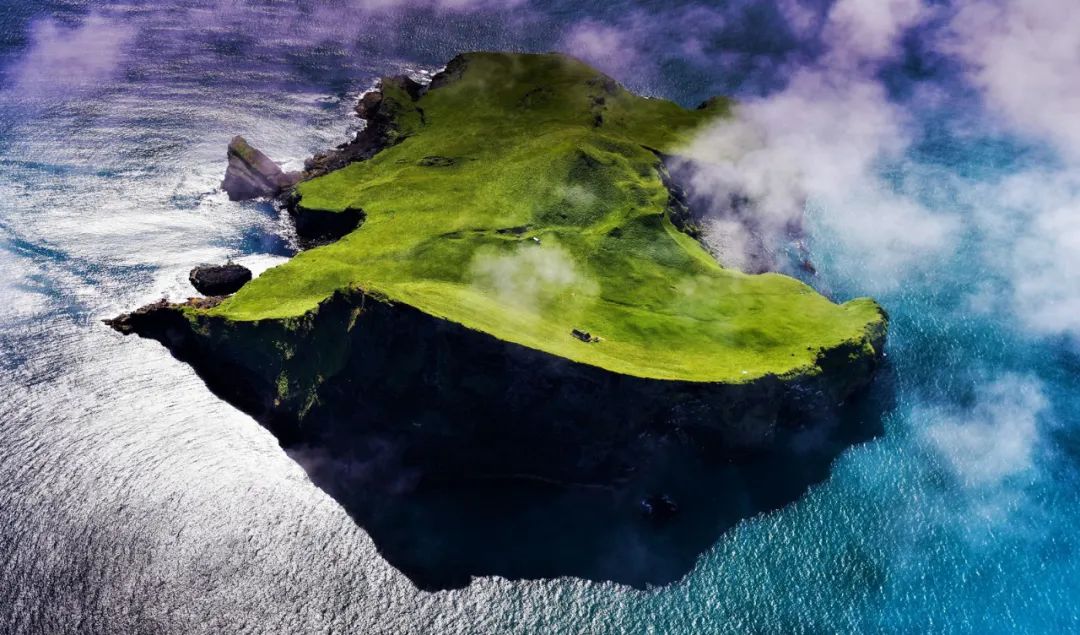
Hundreds of years ago, a few families lived here, relying on grazing and fishing for a living. Due to its remote location, the last residents left here in 1930 s.
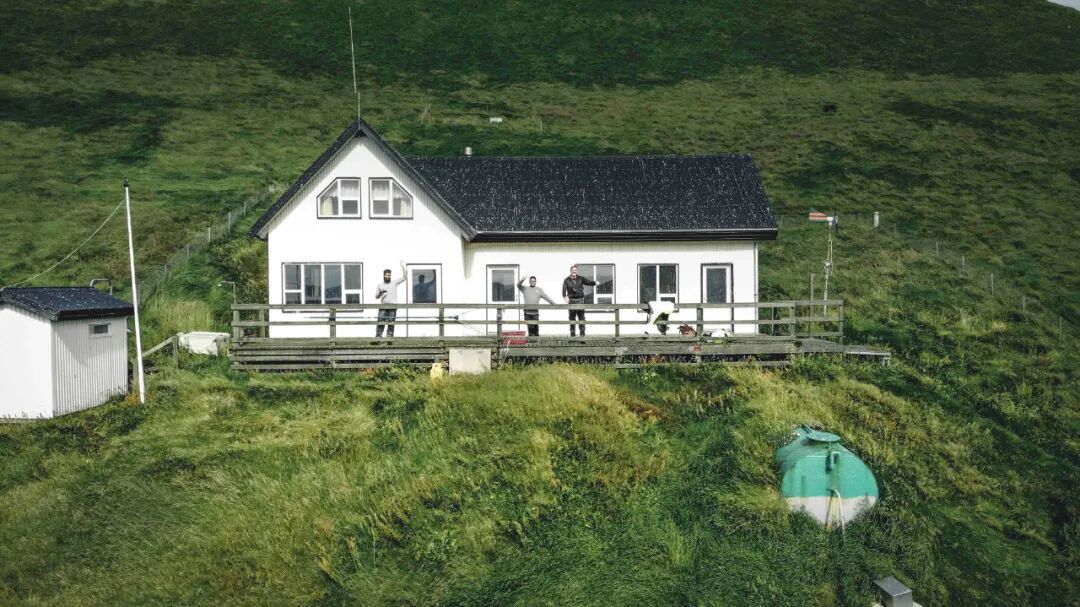
Later, former residents of the outlying islands discovered that it was still an ideal place to hunt seabirds.In 1953, the Elidie Hunting Society built the lodge for seasonal use by members.
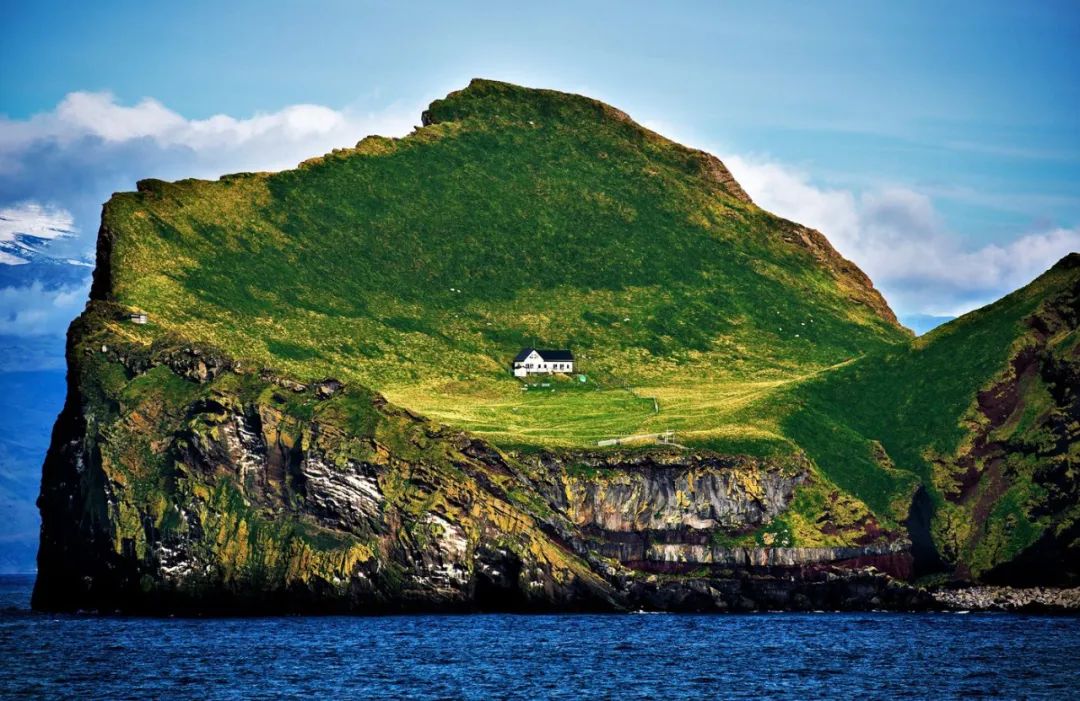
There is no electricity and communication facilities in the hut, and domestic water relies on rainwater collection. Despite its simplicity, it attracts the imagination of countless people with its unique loneliness.
Nowadays, unless they are members of the association, outsiders can’t land on the island to stay, but they can still take a boat to see it from a distance. Its independent figure has become a silent symbol in Iceland’s natural landscape.
NO.02
Katskhi Pillar, Georgia
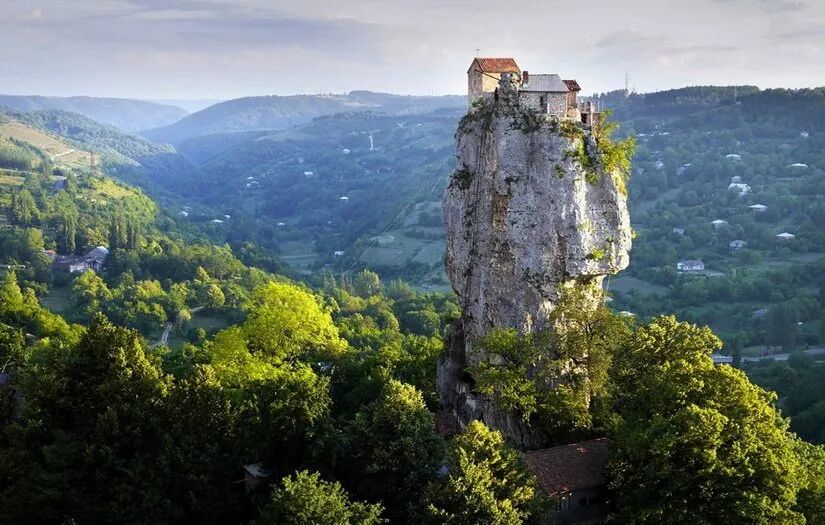
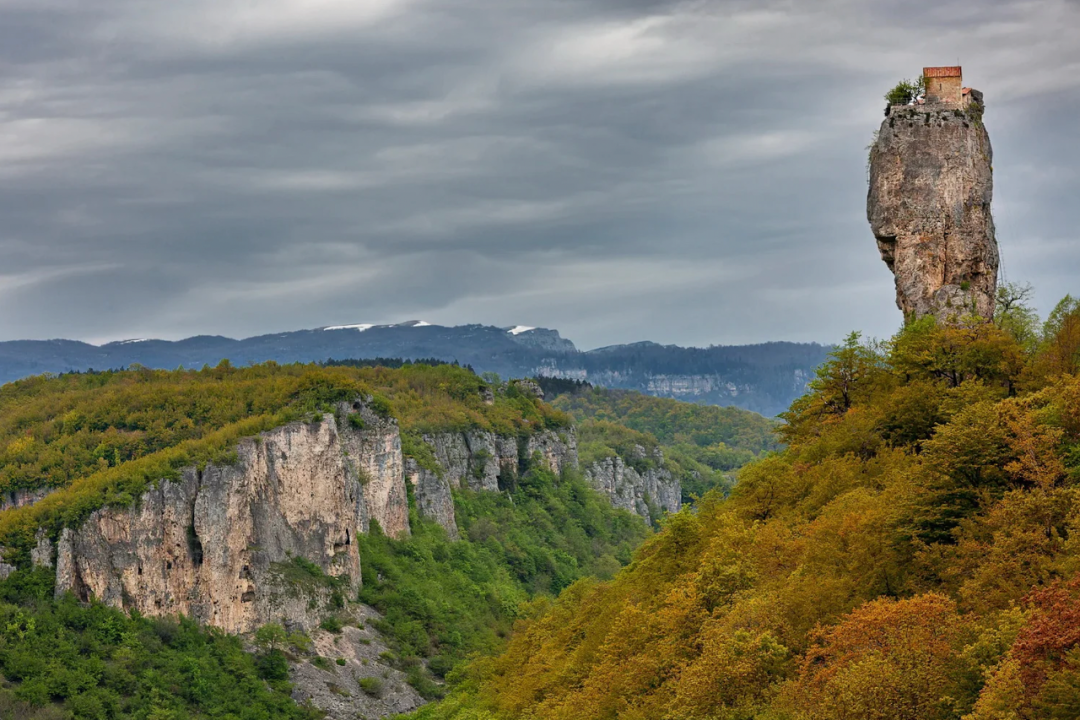
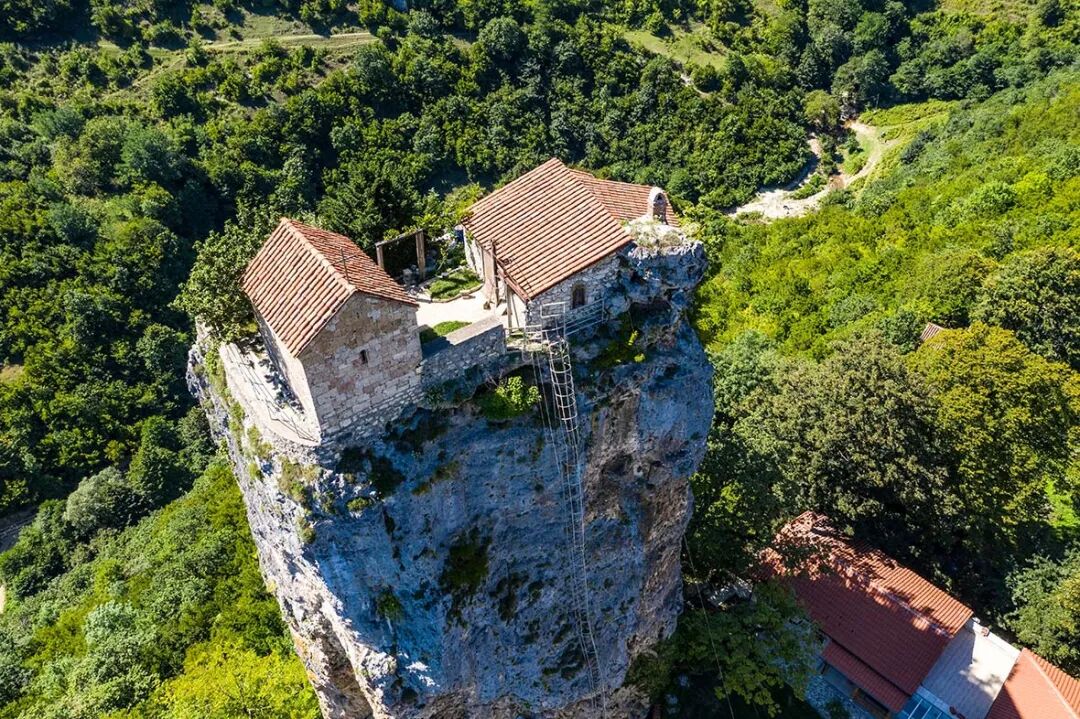
In the Imereti region of western Georgia, a natural limestone pillar about 40 meters high has risen and a small monastery has been built on top.
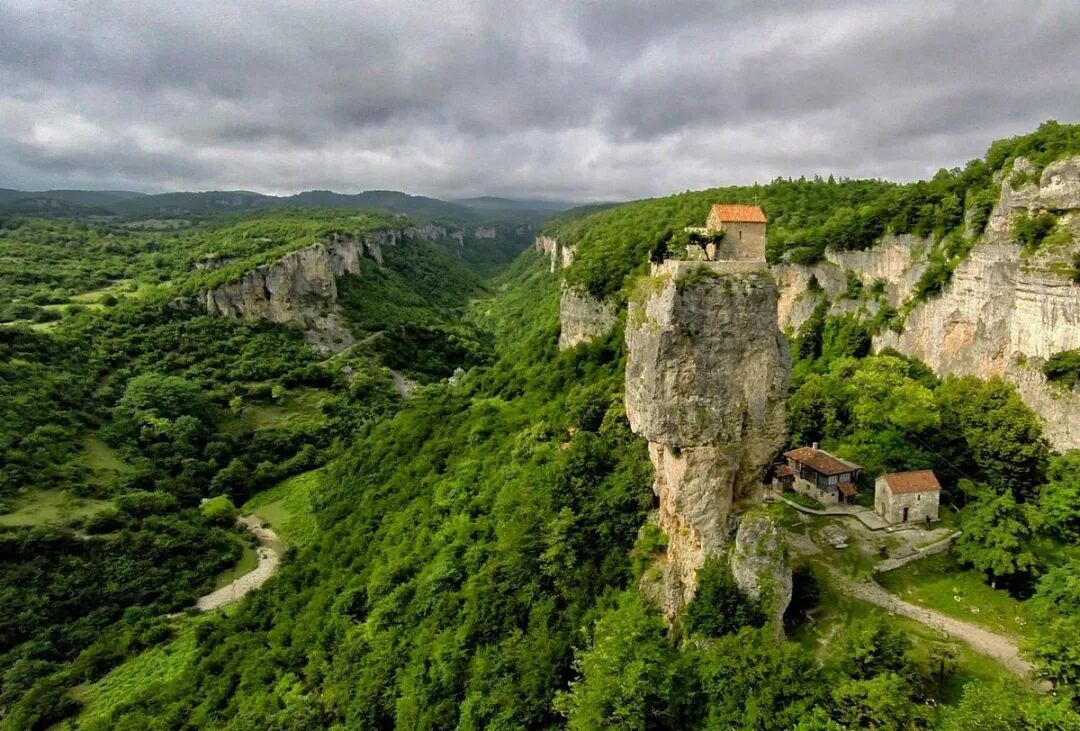
According to textual research, the religious activities on the stone pillars can be traced back to the early Christian era.Here monks live in seclusion, pray, and seek spiritual detachment.
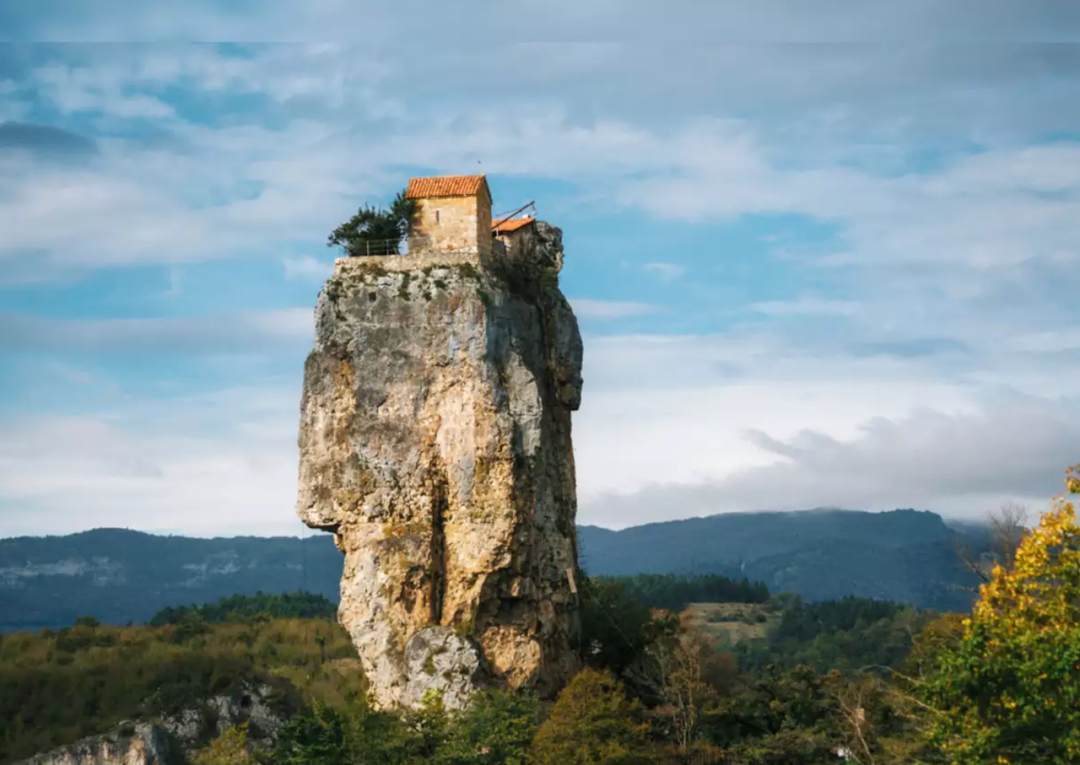
As time went by, the monastery was once abandoned. Until the middle of last century, a local priest led the restoration and personally lived and practiced here.
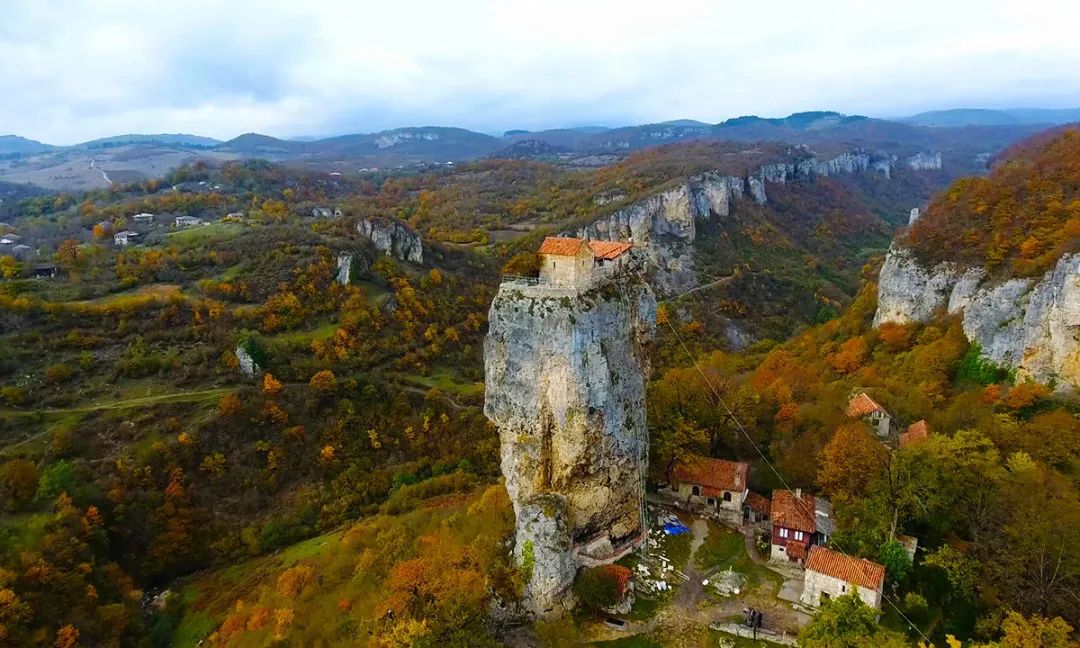
Today, visitors can climb to the top of the column with the help of rope ladders. Although the process is not easy, the vision and tranquility after arrival make people feel close to heaven.
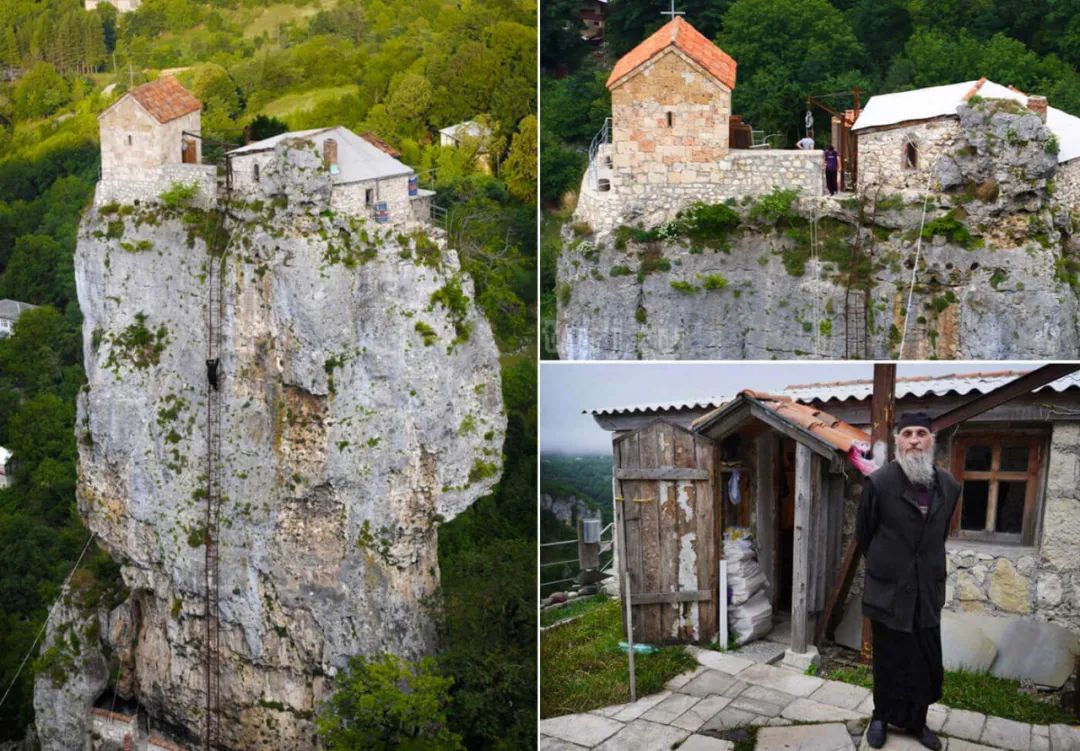
It is not only a symbol of faith, but also a witness of courage and pursuit.
NO.03
Ria D’etel, France
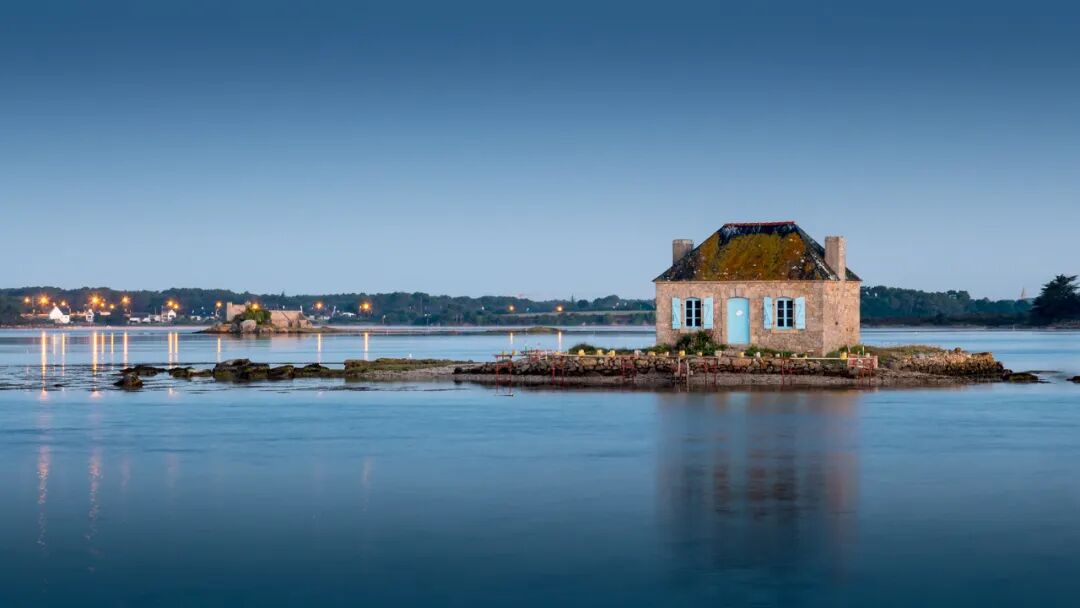
There are several hidden islands scattered along the coastline of Brittany, France. They used to be lighthouses, mills, forts or private villas, but now they are quiet and accompanied by the tides.
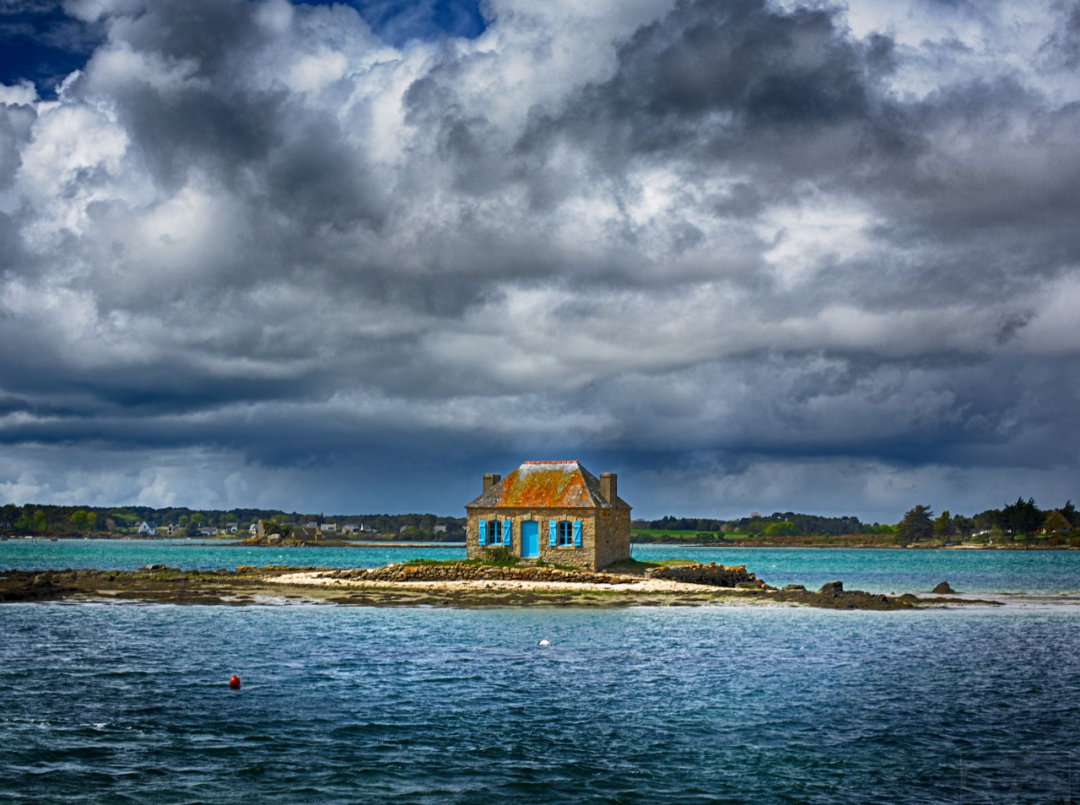
The Nichtag Cottage, built in 1894, was originally used by oyster farmers. Although idle now, it has become a poetic embellishment in the coastal landscape.
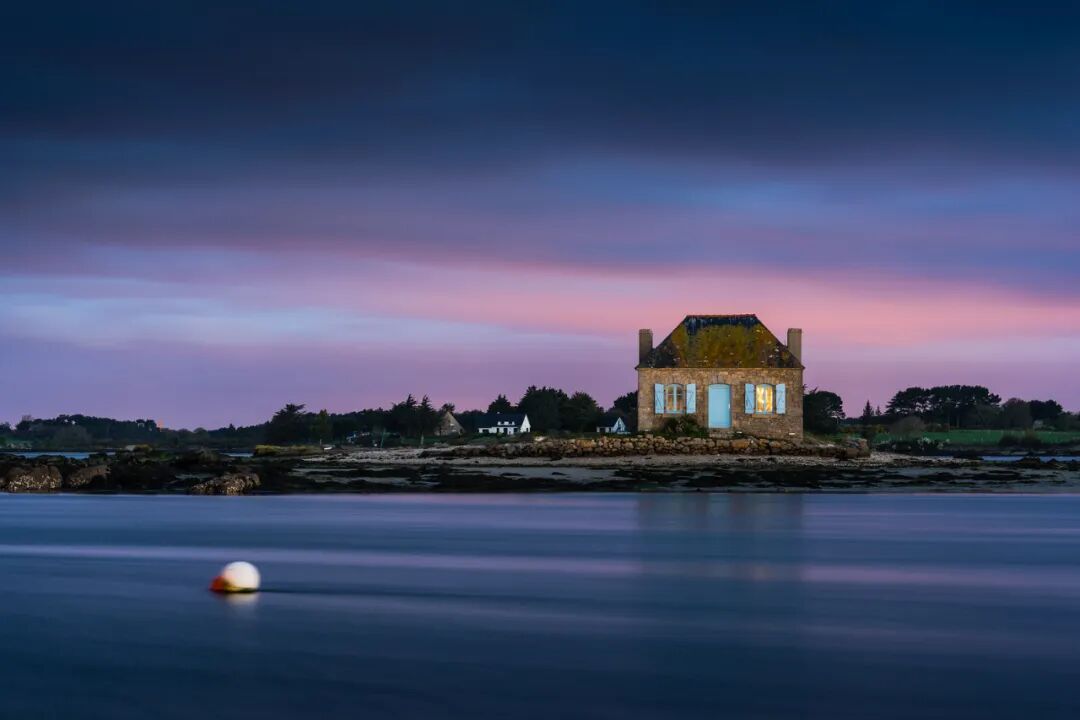
As the sun sets, the stone walls reflect warm light, as if time is slowing down here.
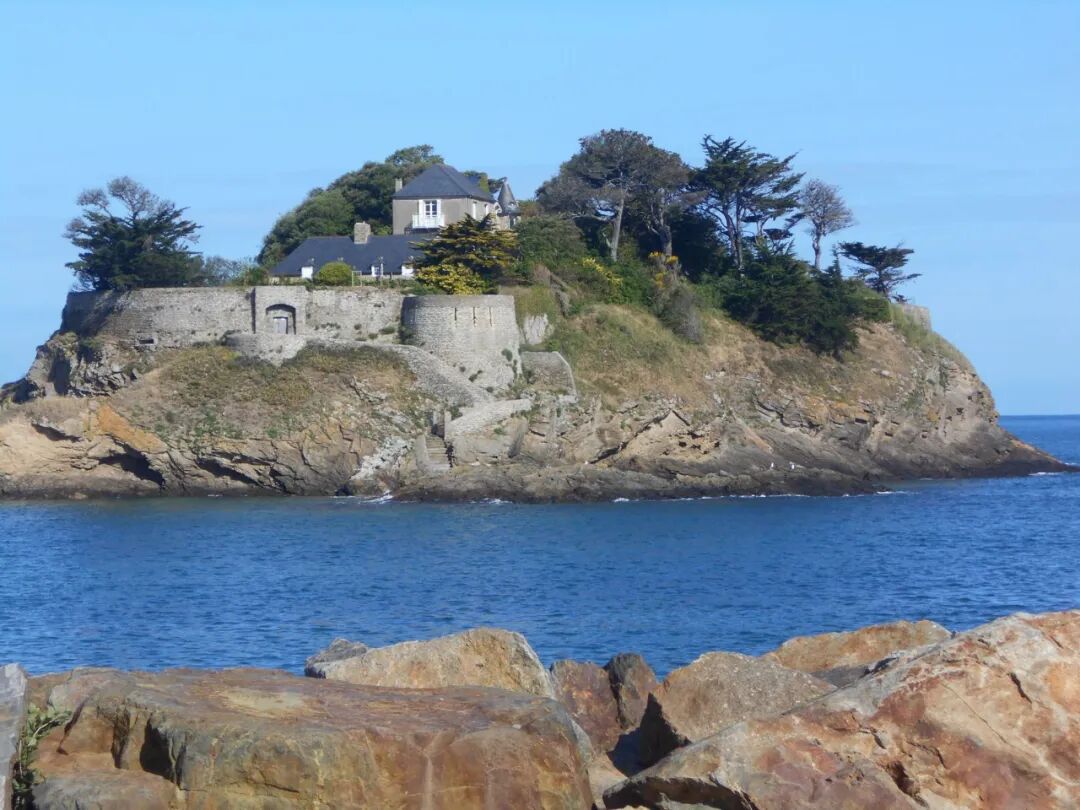
Gaskland Island Castle was built in the 11 th century. After the identity change of military fortress and private mansion, many artists once lived and created here.
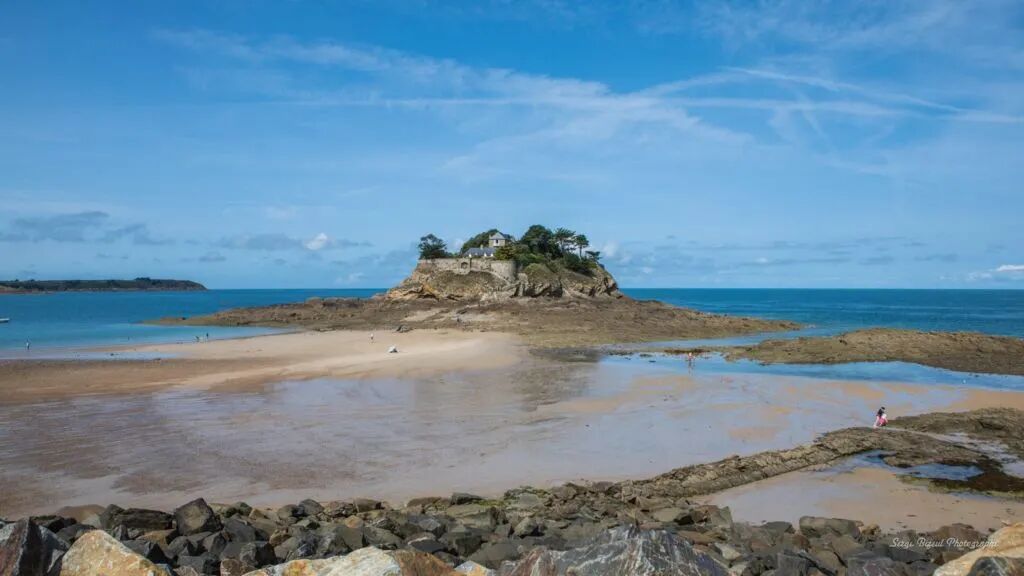
It combines historical rich and artistic flavor, and still exudes unique charm.
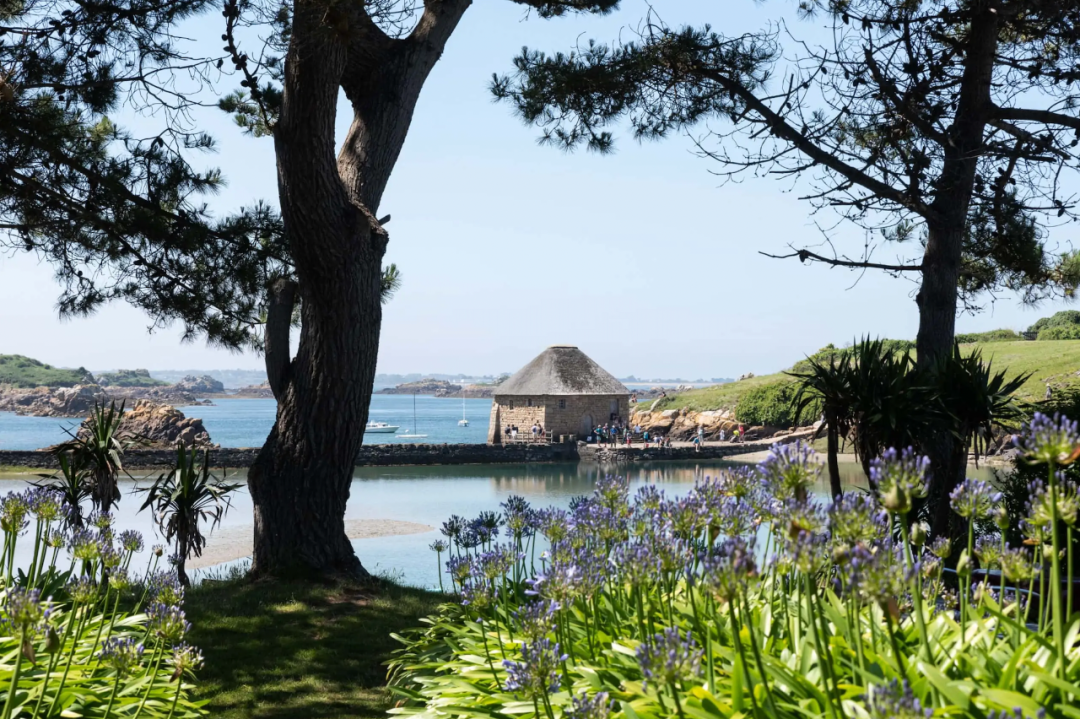
Built in the 17 th century, the Birlow tidal mill uses the ebb and flow of sea water as power to grind grain. Now out of operation, but it has been carefully protected by locals.
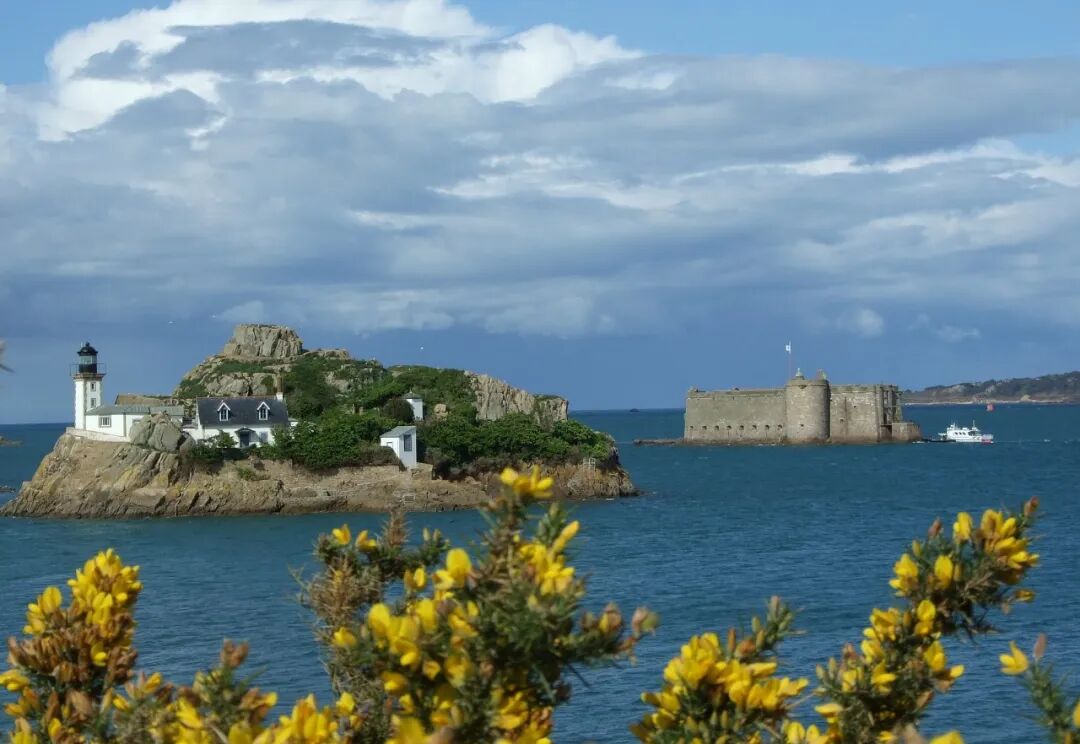
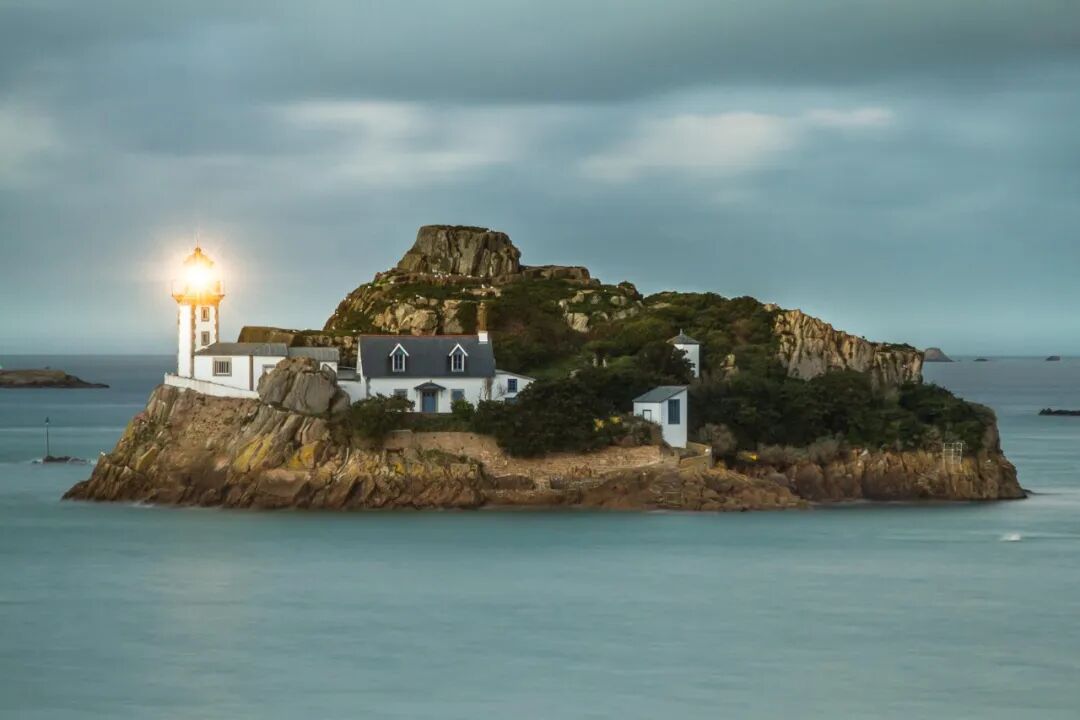
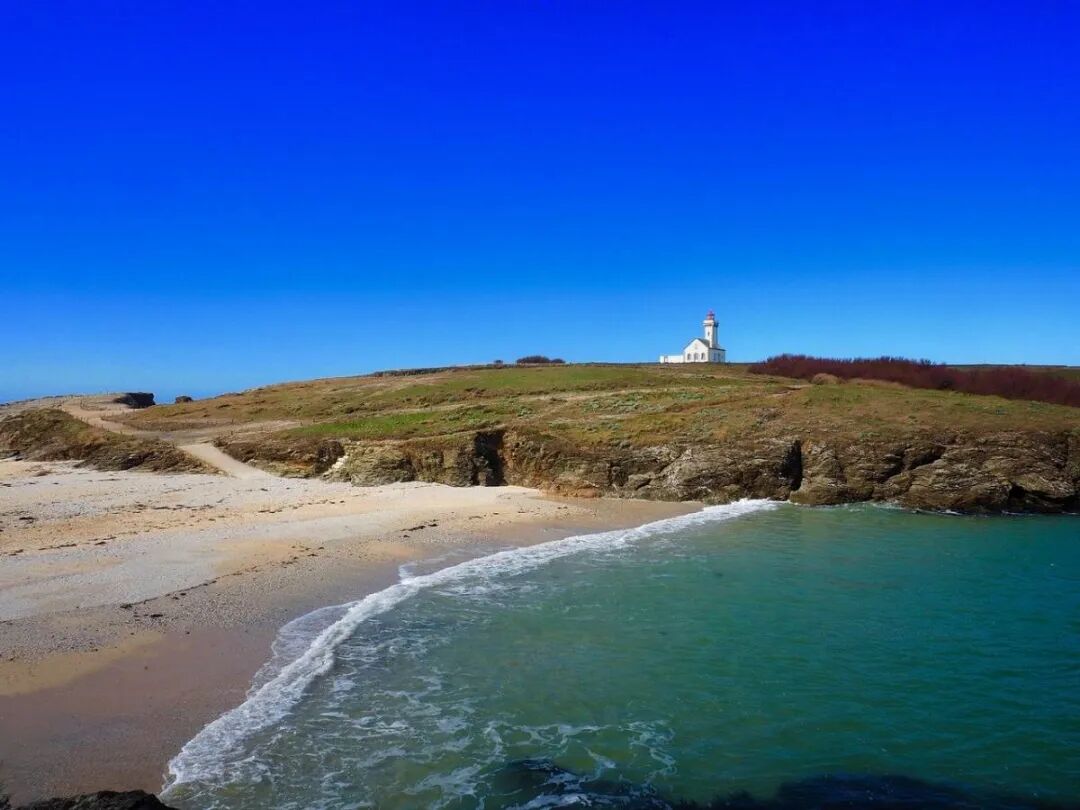
The Louette Island Lighthouse was built in the 19 th century and has long guided the direction of sailing ships. Now it is open in summer and has become a secret holiday spot.
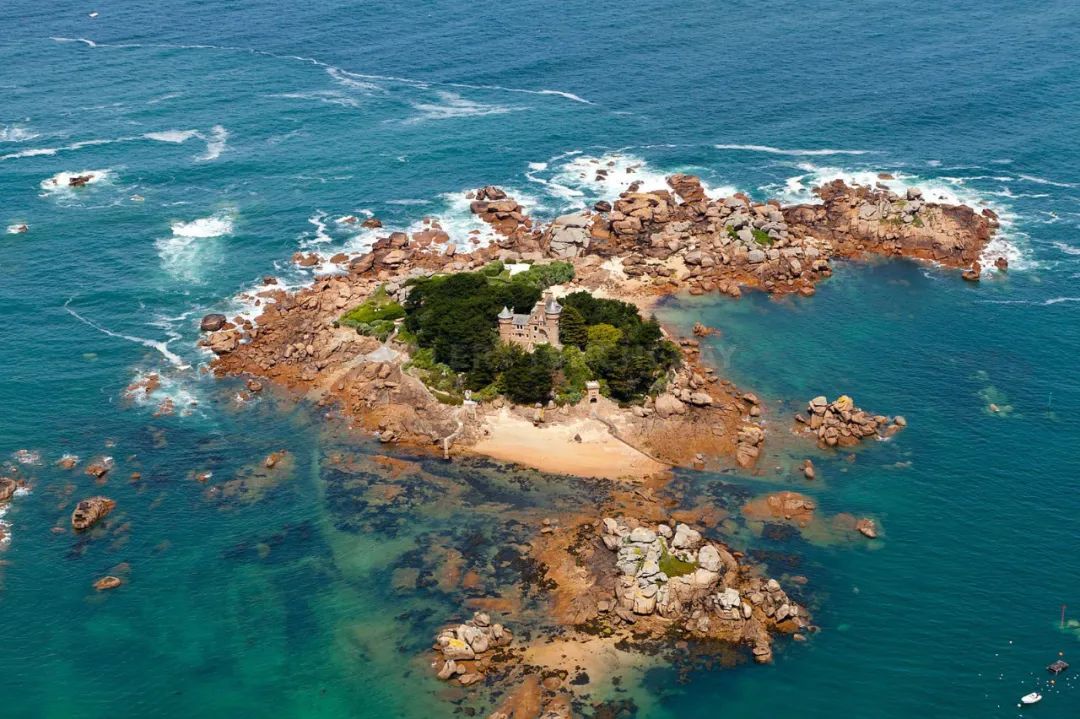
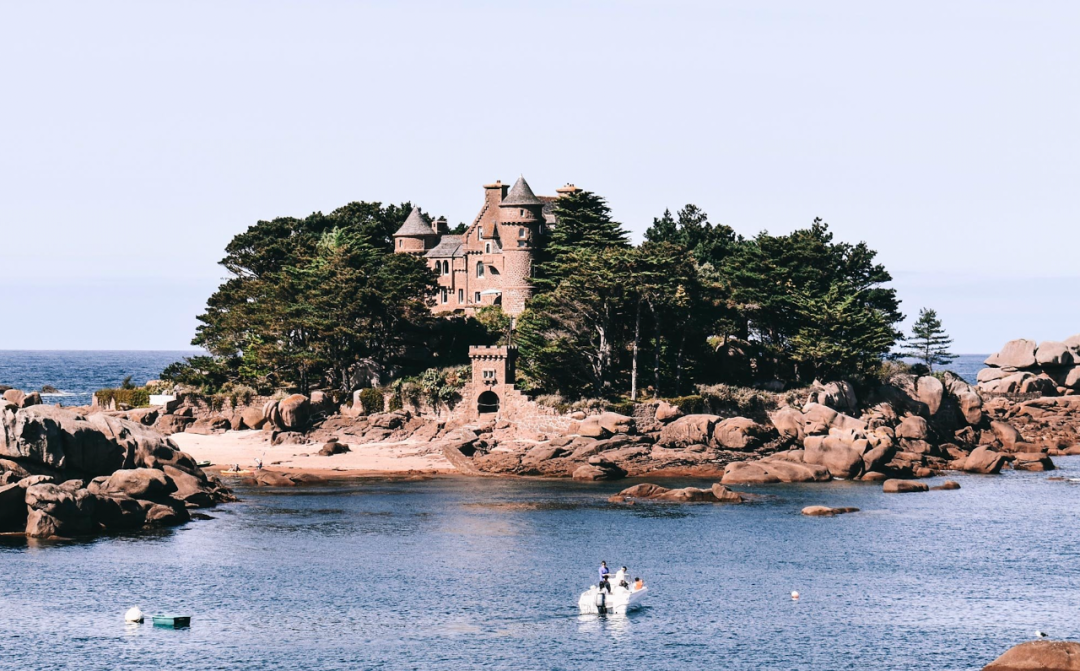
Designed by Polish architects at the end of the 19 th century, Costa Eres Castle is built in native * granite and glows with rose colors in the sun.
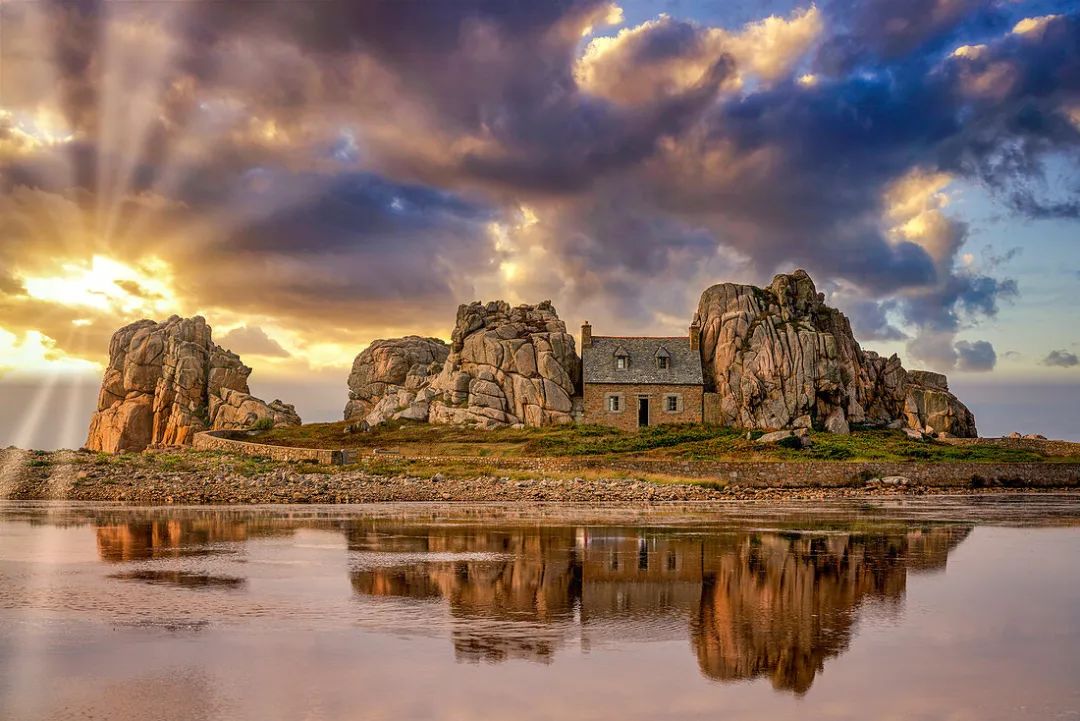
Built in 1861, the Castle of Merle is sandwiched between two huge rocks and has a unique shape. It is calledAn ideal abode for a hermit。
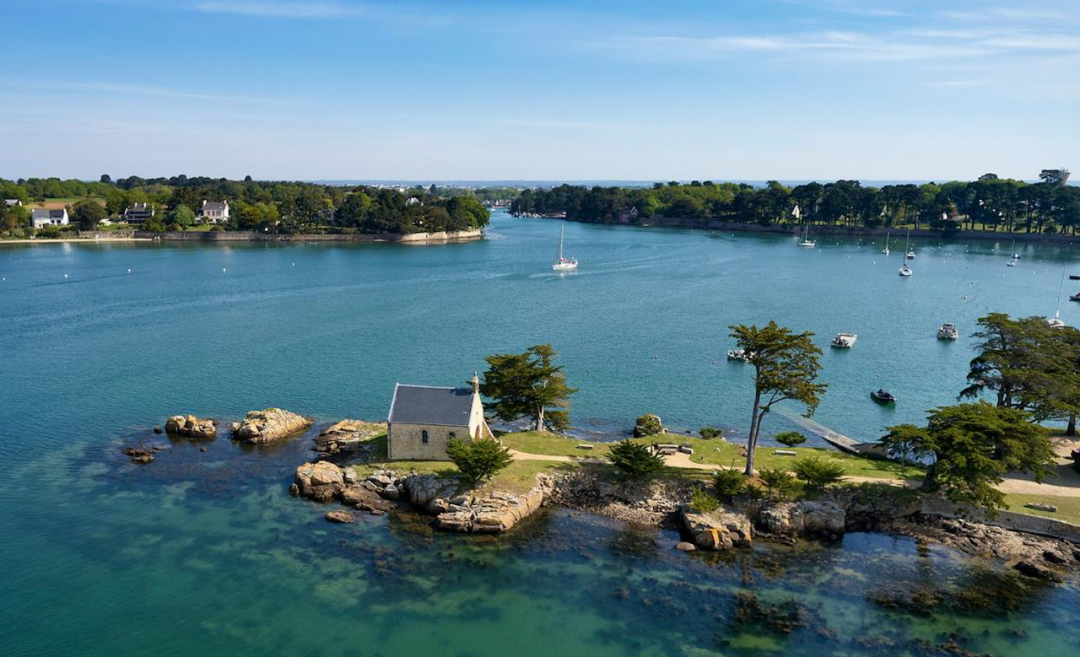
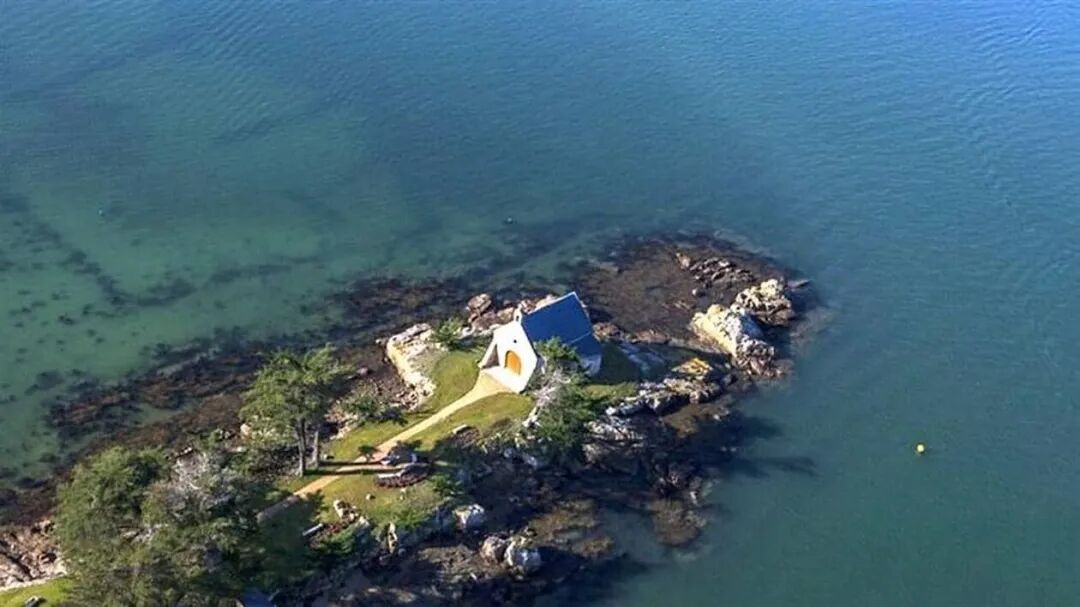
The chapel of Boedik Island, converted from ordinary residences, has become a spiritual post for local people since 1923, standing quietly at the end of land.
NO.04
Þrídrangaviti, Iceland
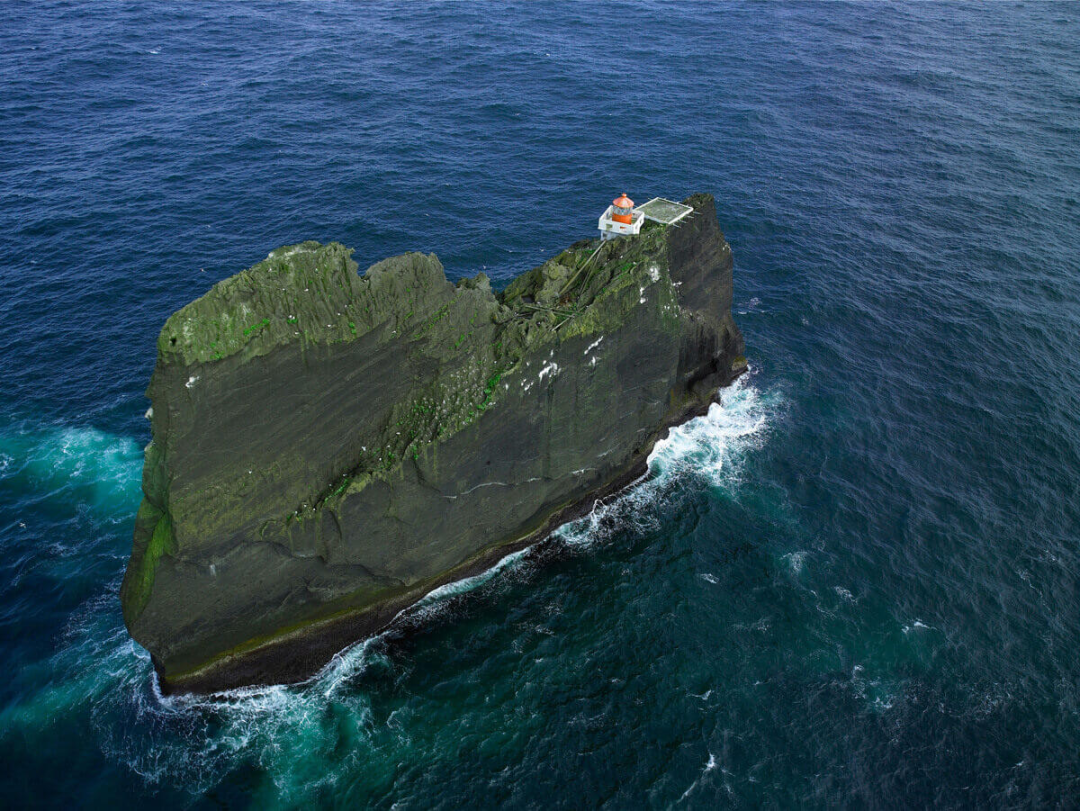
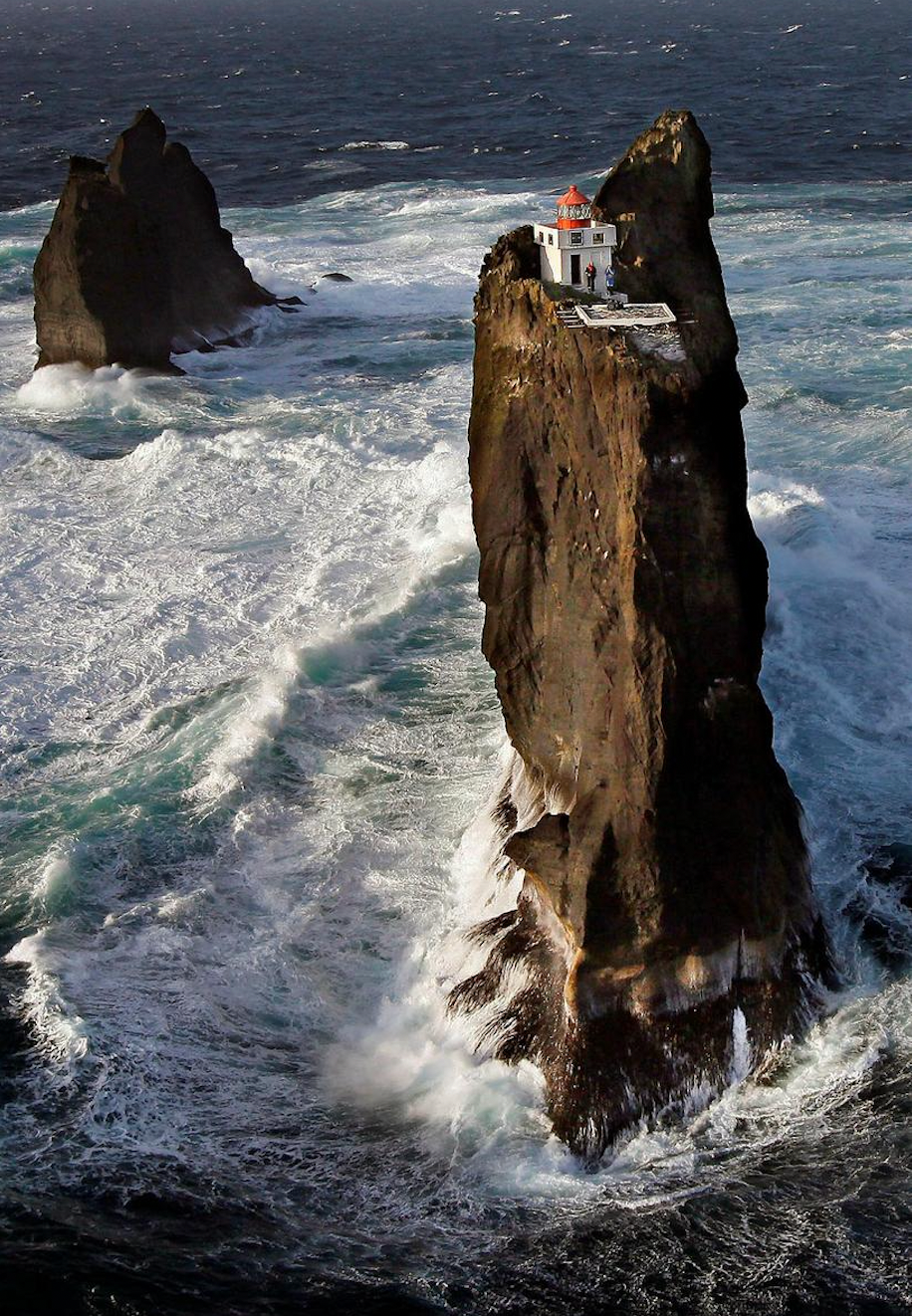
The Þrídrangaviti lighthouse, located off the west coast of Iceland, stands on a solitary reef in the Atlantic Ocean and is known asThe loneliest lighthouse in the world。
This lighthouse was built in 1939 to improve navigation safety in the surrounding waters.
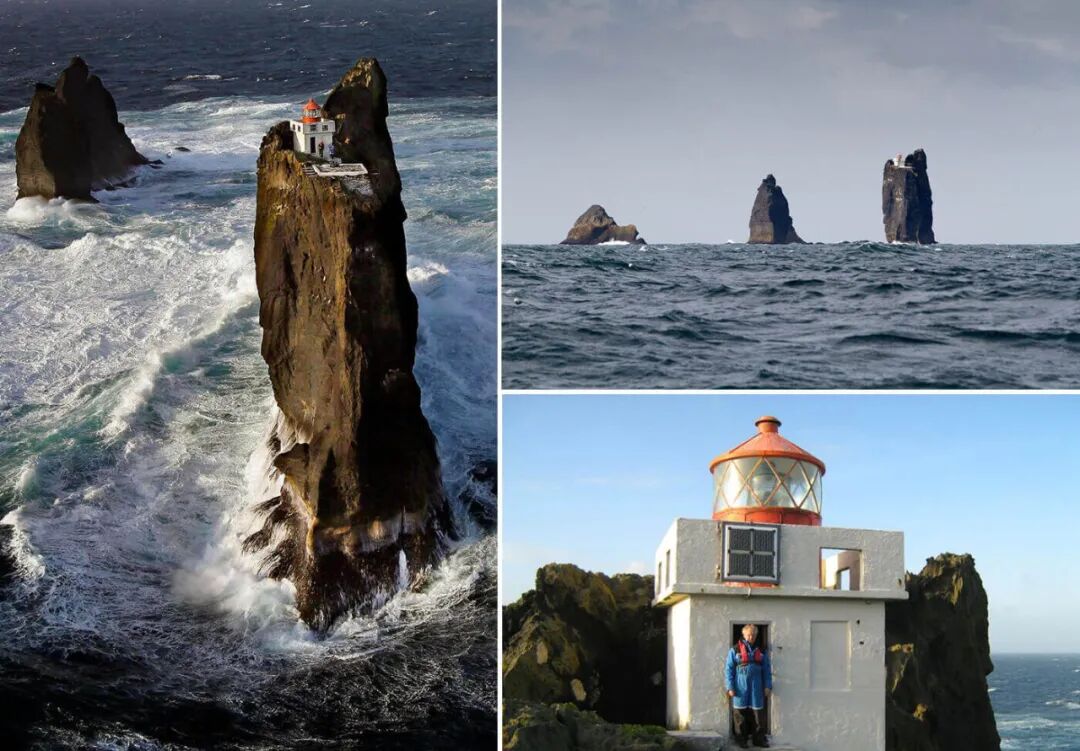
The construction process was extremely difficult, and workers had to climb rocks and dig foundations with their bare hands in strong winds and waves, which took many years to complete.
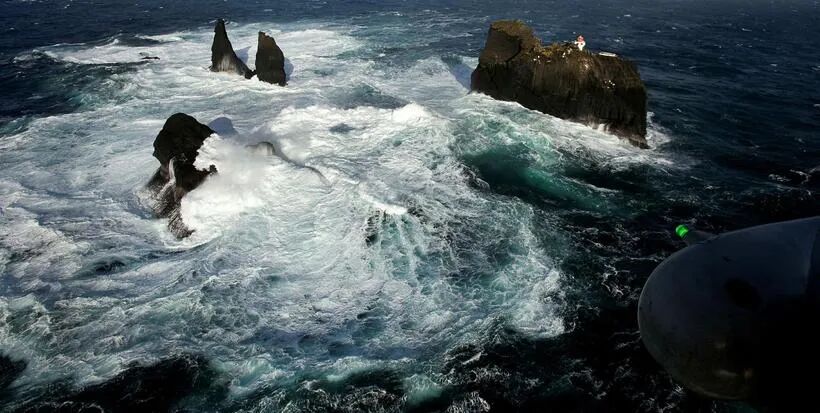
Despite the natural challenges, the lighthouse was finally built and became one of the icons of the Icelandic coastline.
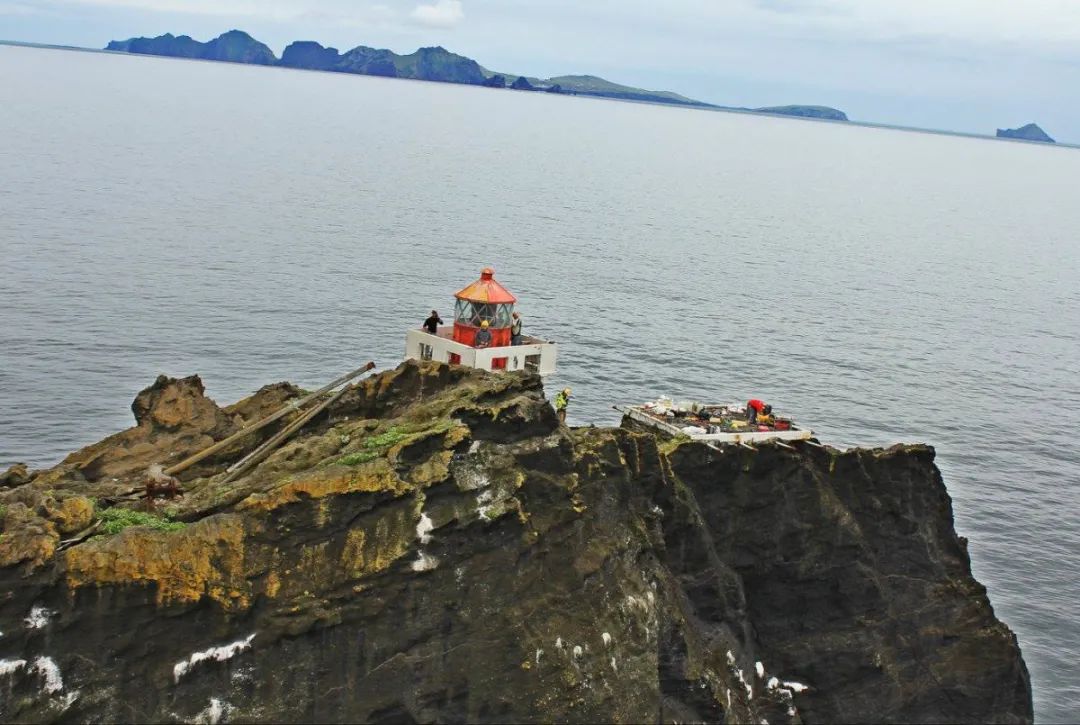
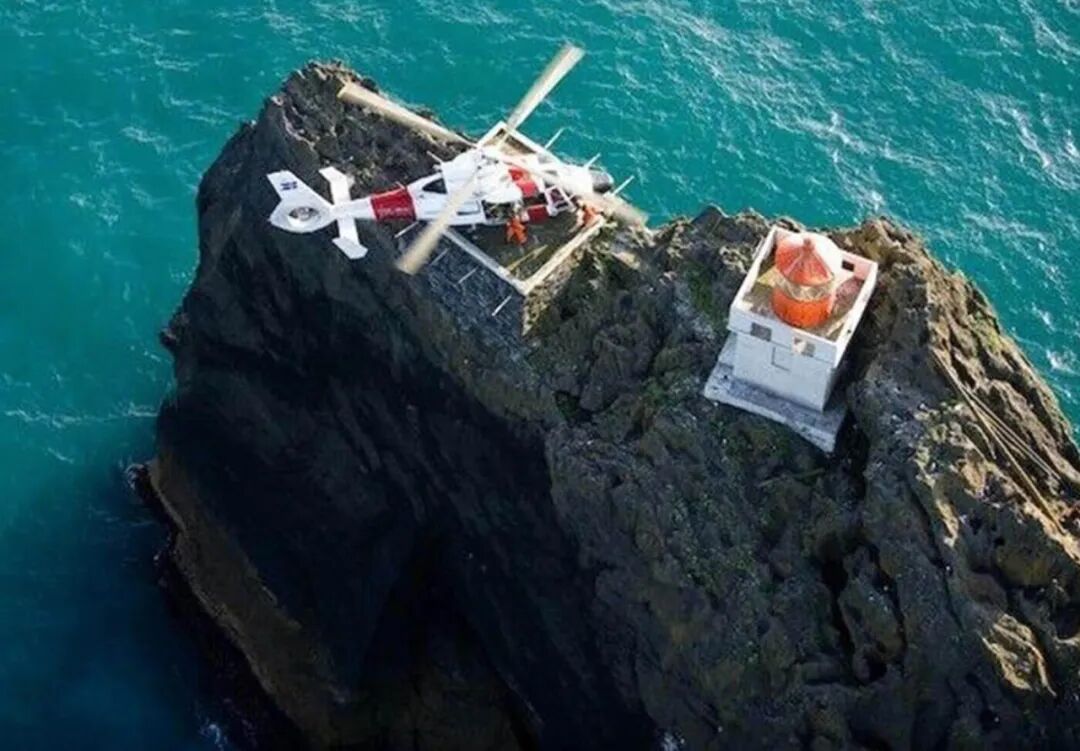
Today, the lighthouse is still in operation and has become a unique tourist attraction.When you arrive, you need to take a helicopter, and you can feel its isolated beauty from the air.
The surrounding waters are also whale watching resorts, adding more vitality to this trip to the ends of the earth.
NO.05
Hermitage of San Colombano, Trambileno
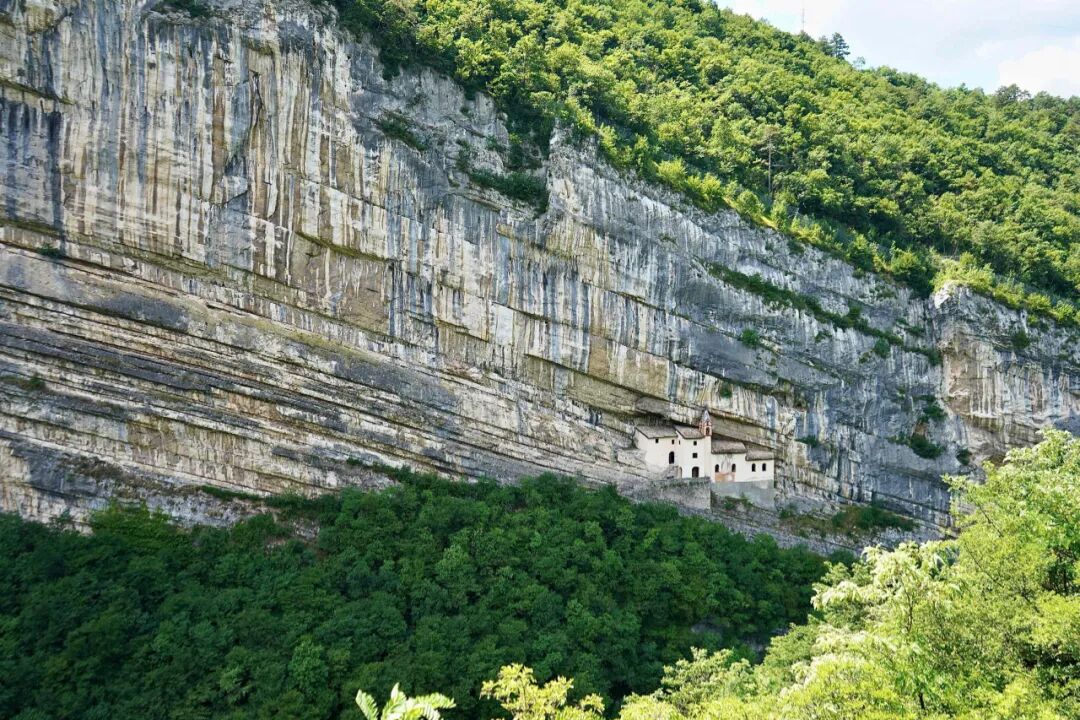
In Trambileno, Italy, a small monastery is embedded in a 120-meter-high cliff, which dates back to the 8 th century AD.
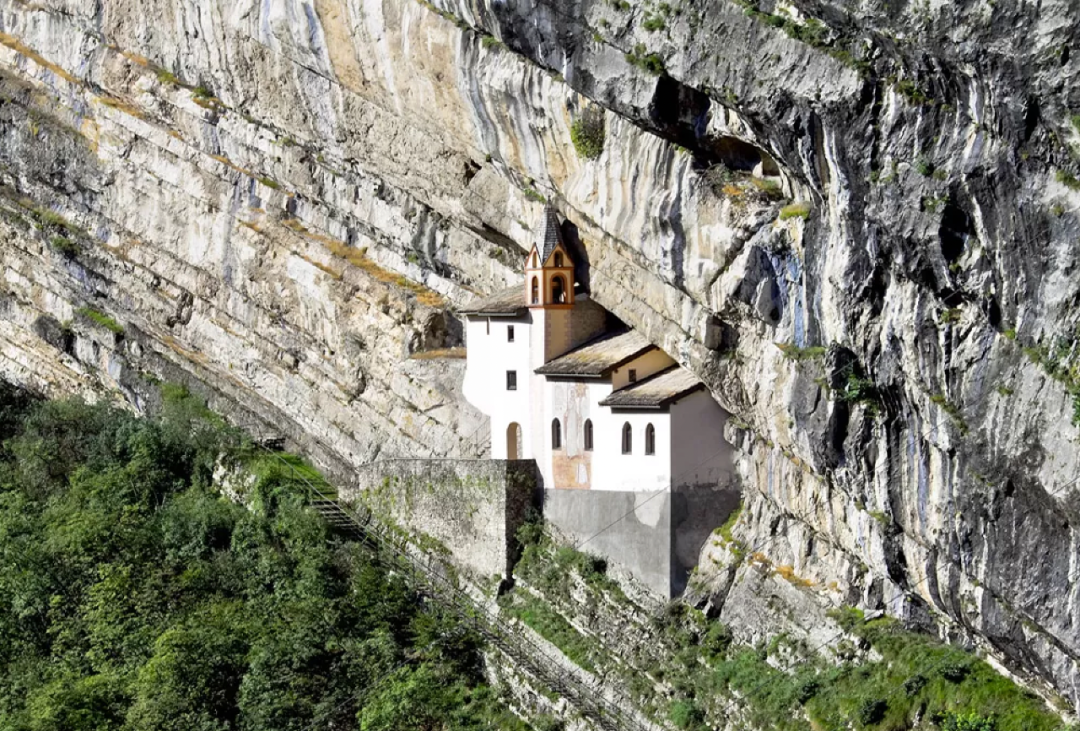
To get here, you need to hike and climb more than a hundred steps carved in the rock wall, like a pilgrimage to the sky.
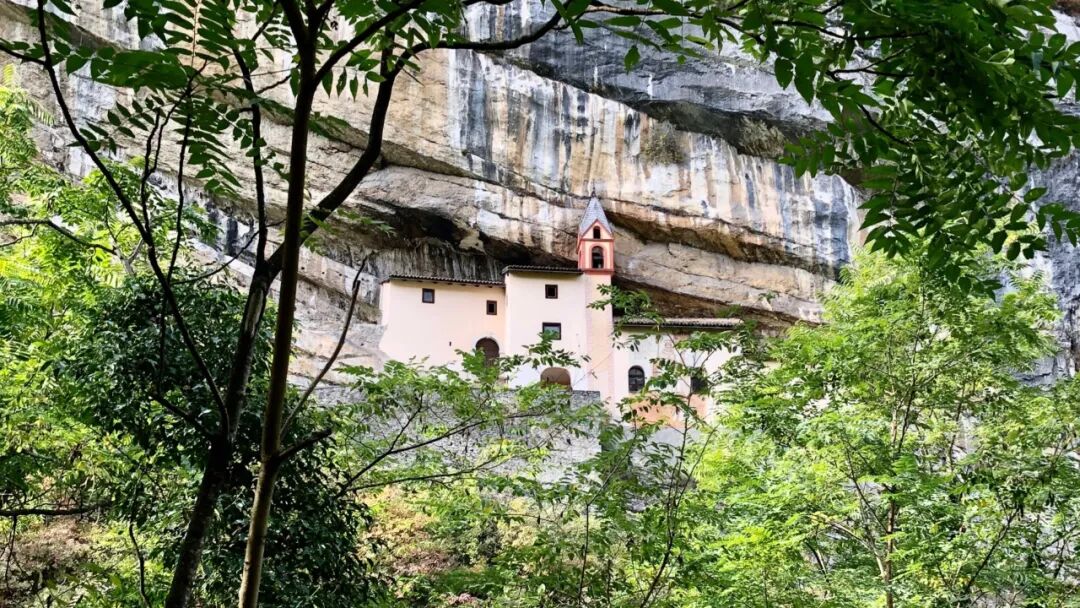
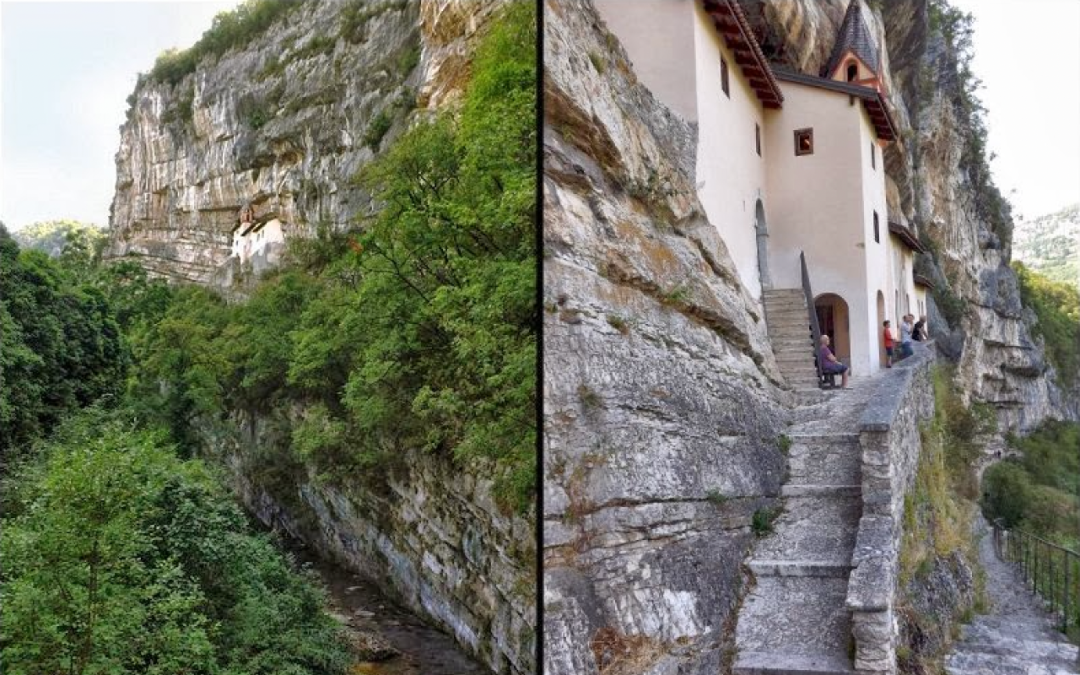
The nicks on the rock indicate that hermits practiced here as early as 753.
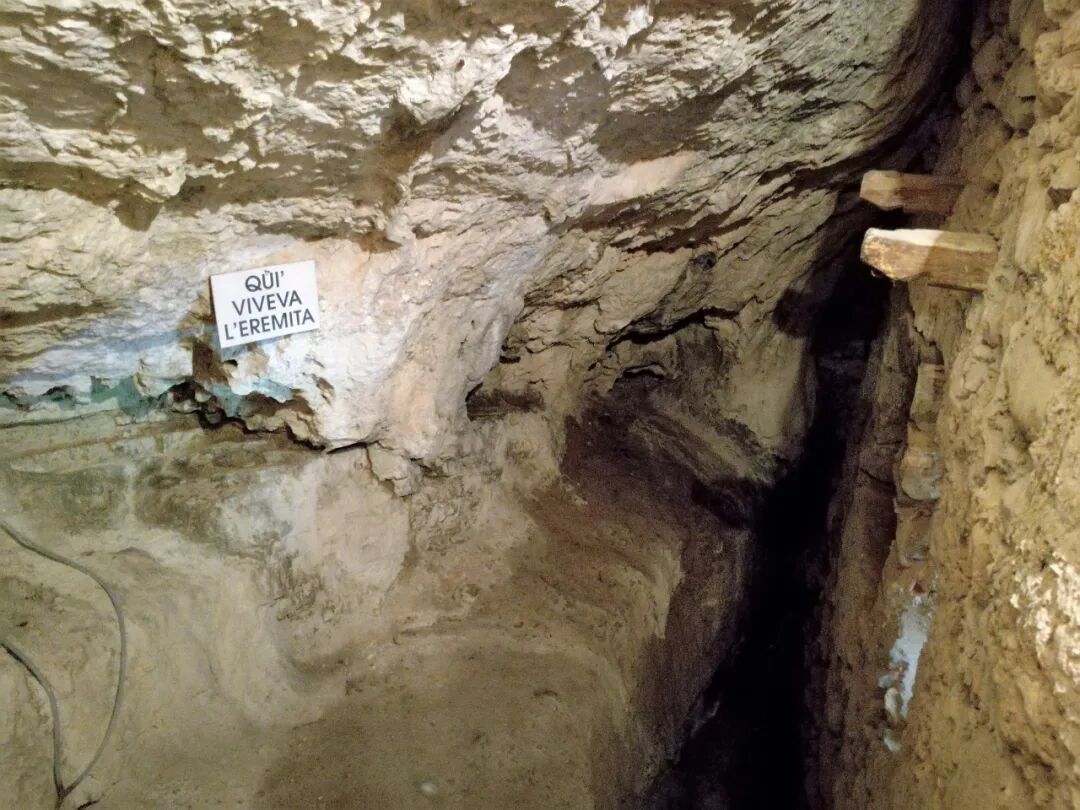
At the end of the tenth century, people officially built a monastery dedicated to San Colombano in the cave. Since then, monks have been meditating here until it was gradually abandoned at the end of the eighteenth century.
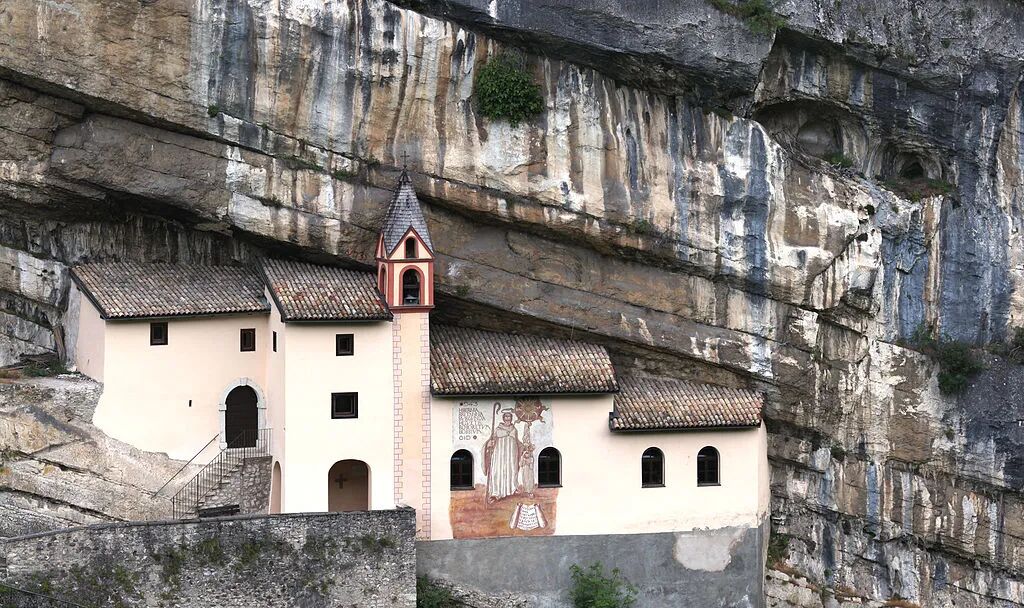
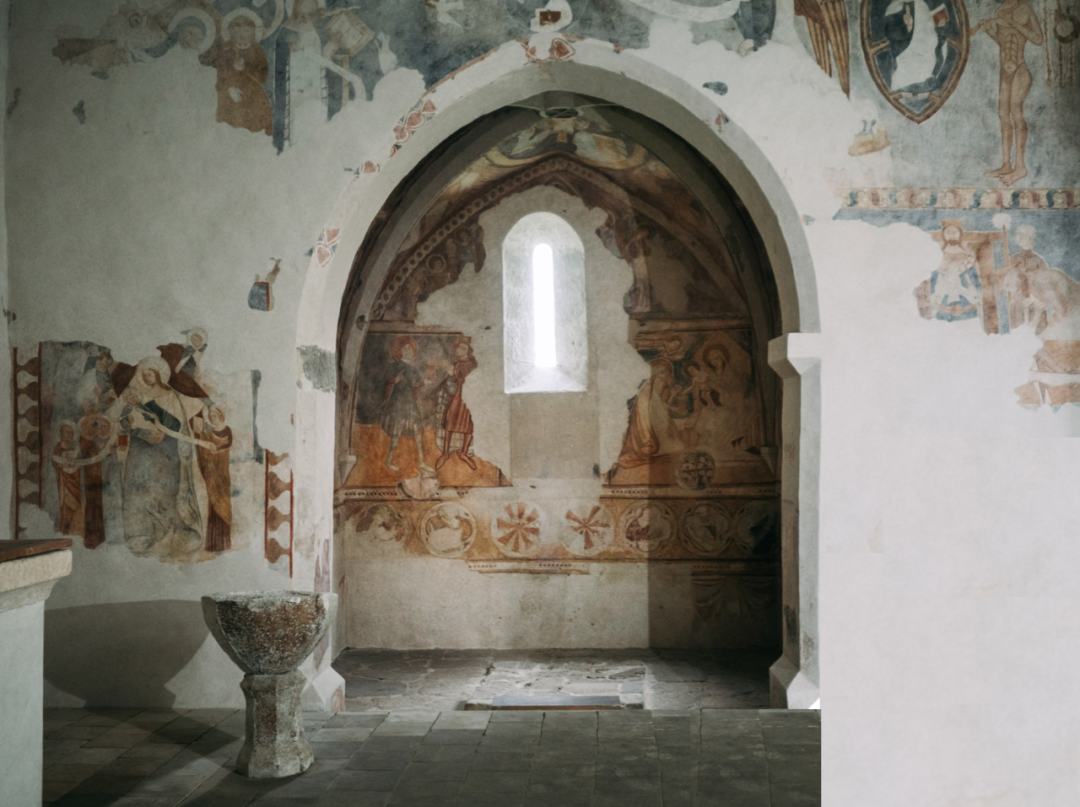
In 1996, the monastery was reopened after renovation. Interior murals depict scenes of saints fighting dragons, symbolizing the eternal contest between good and evil.
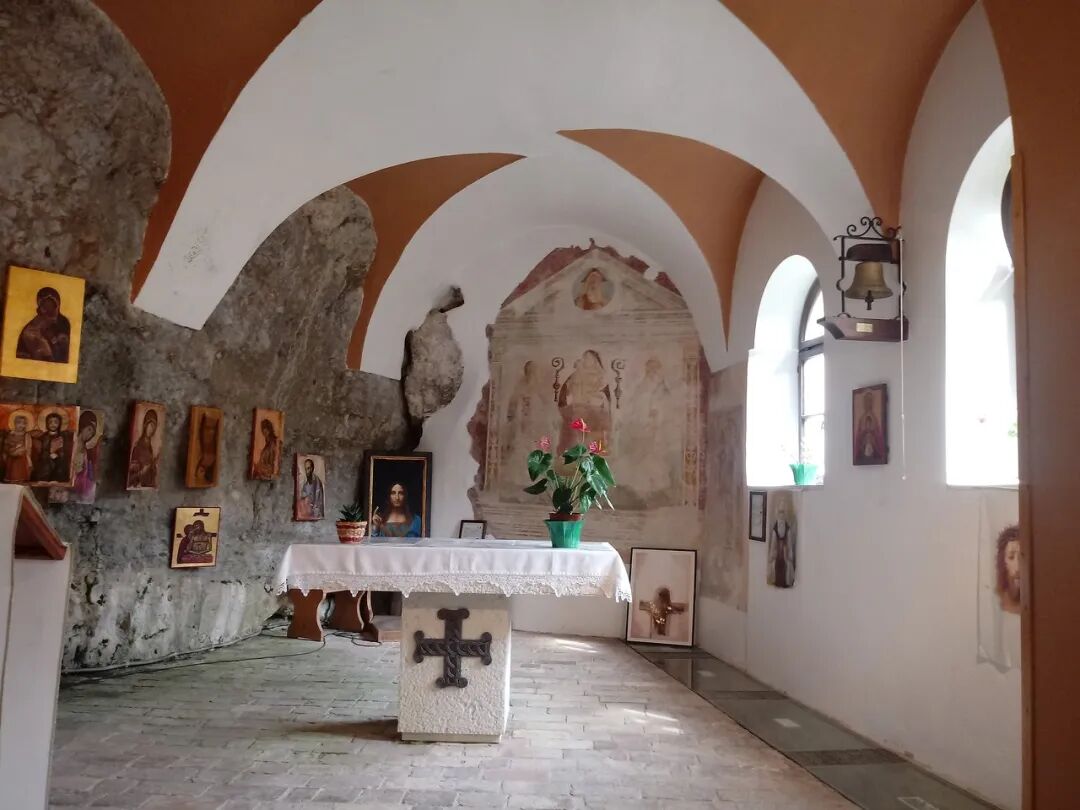
There are also centuries of prayer records preserved here, silently telling the story of faith and time.
NO.06
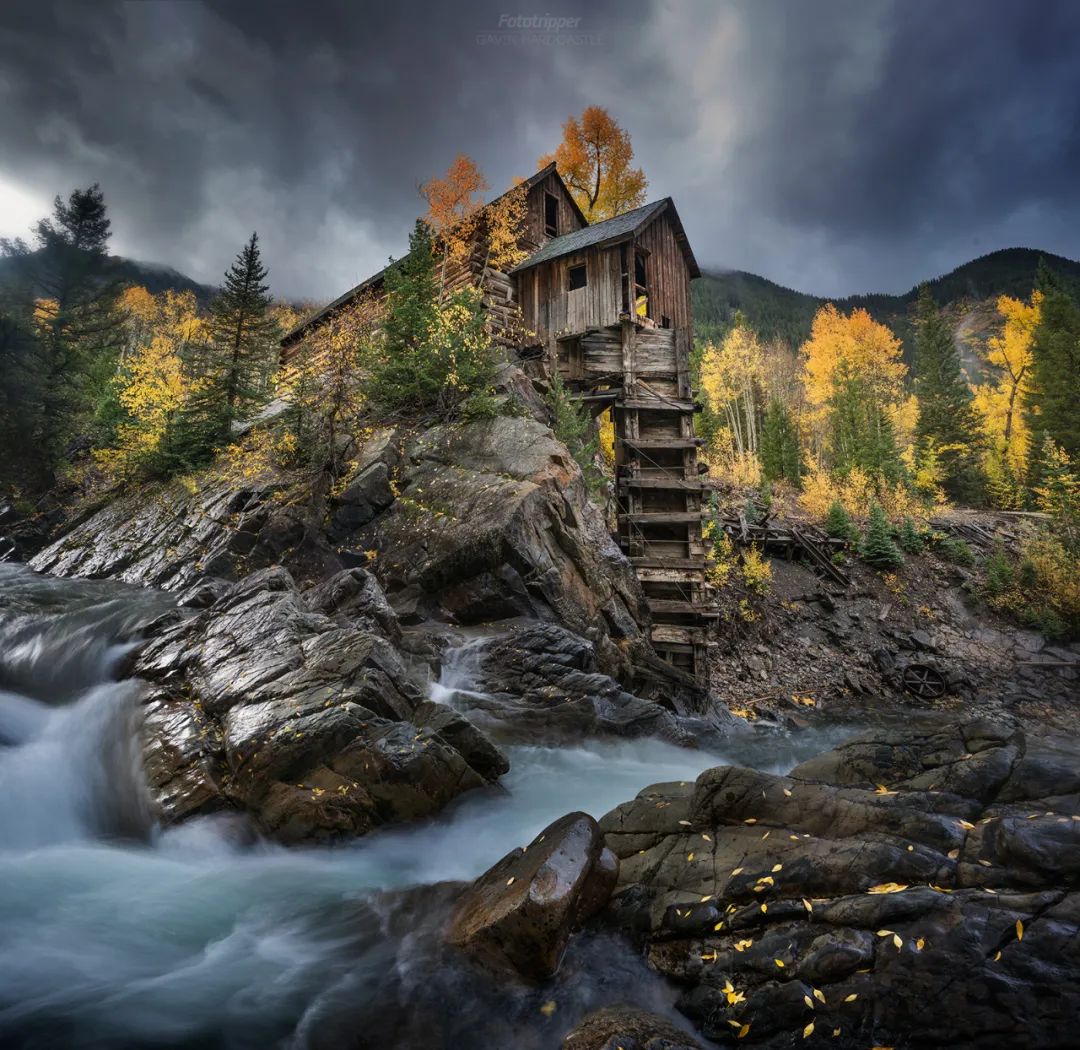
Crystal Mill
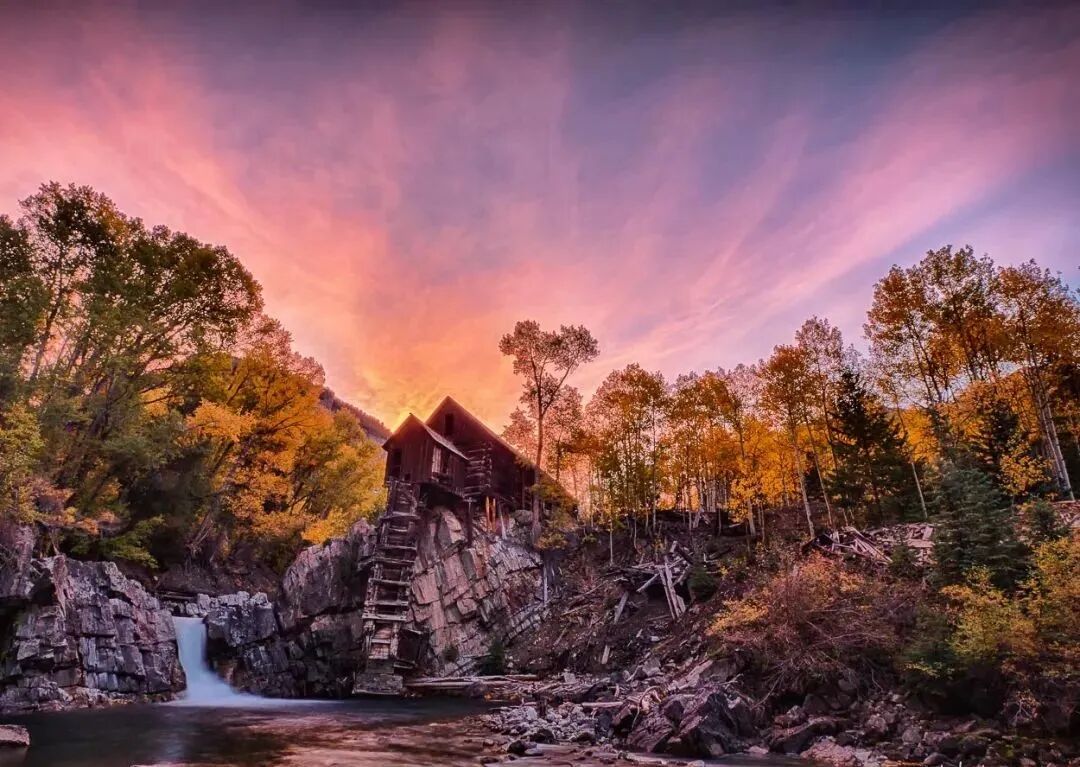
Located on the edge of a steep canyon in Colorado, USA, the Crystal Mill is known as one of the state’s most iconic solitary structures.
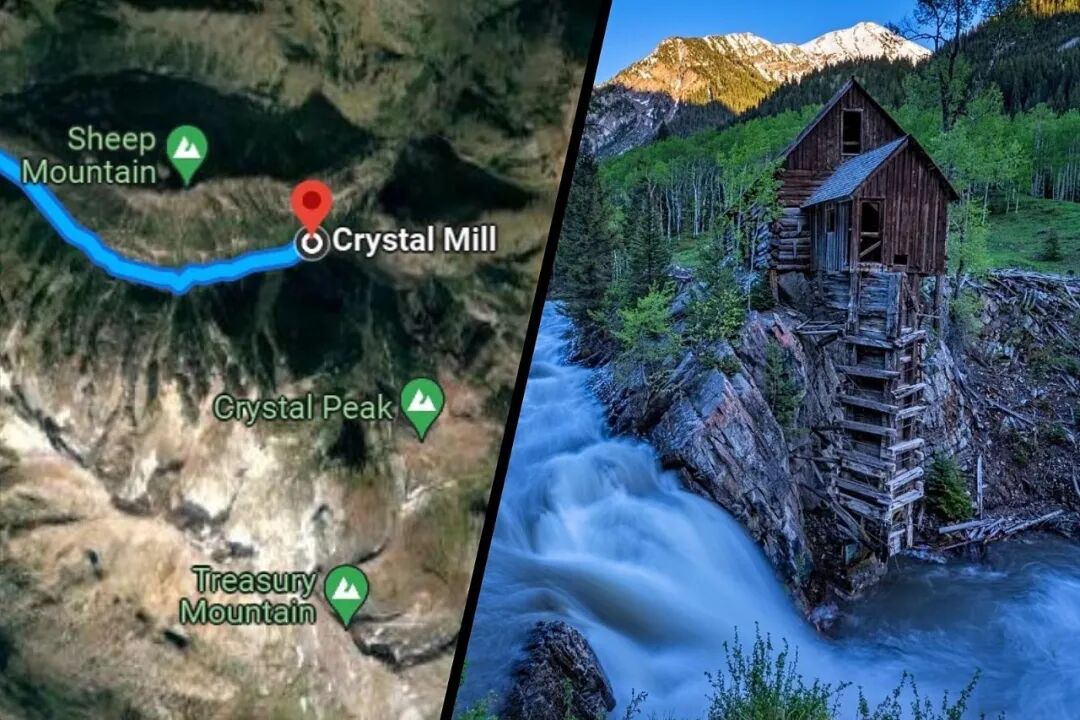
This timber-framed mill was built in 1893 and was originally used to process wood and ore.Because of its remote location, it is easy to reach only in summer and autumn.
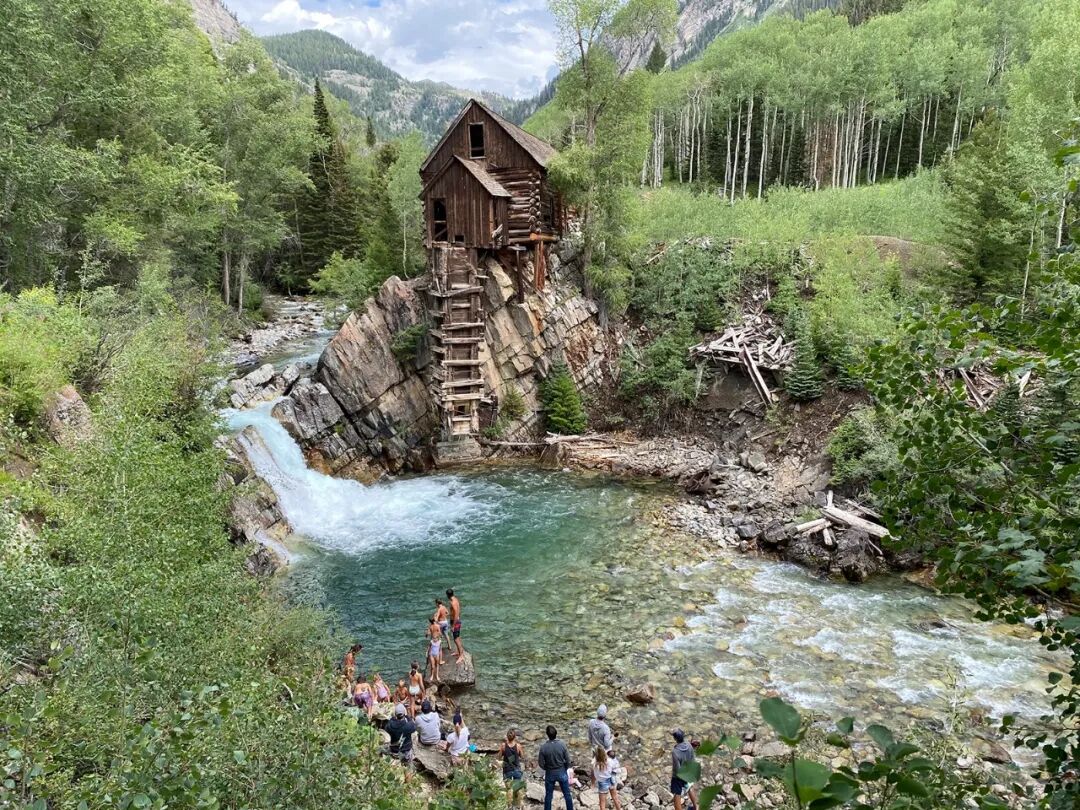
At the beginning of the 20 th century, the mill used to drive air compressors with water power to power nearby silver mines, which became a symbol of local industrial relics.
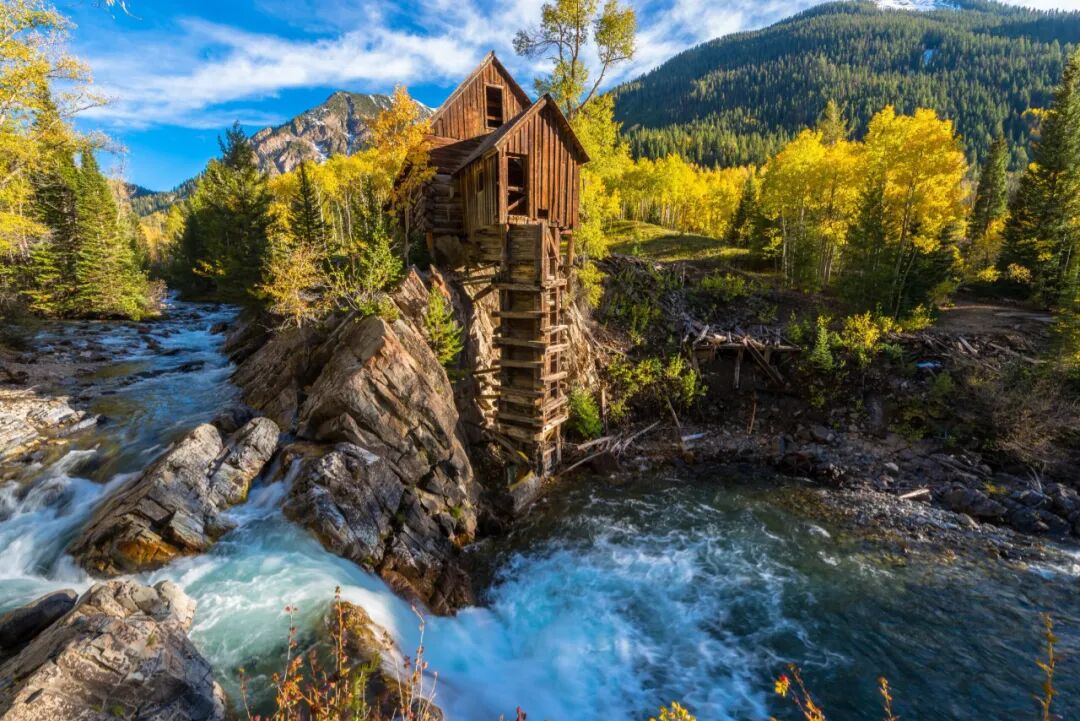
With the changes of the times, the mill has gradually stopped operating, but because of its historical value and picturesque scenery, it has become a popular tourist destination.
NO.07
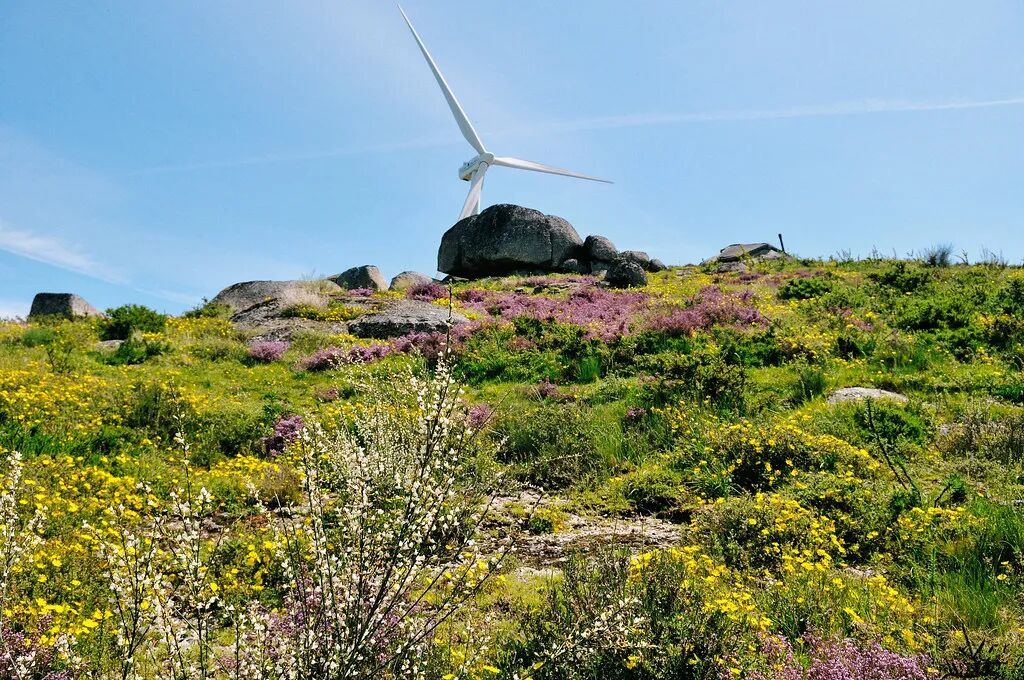
Stone House, Fafe Mountains, Portugal
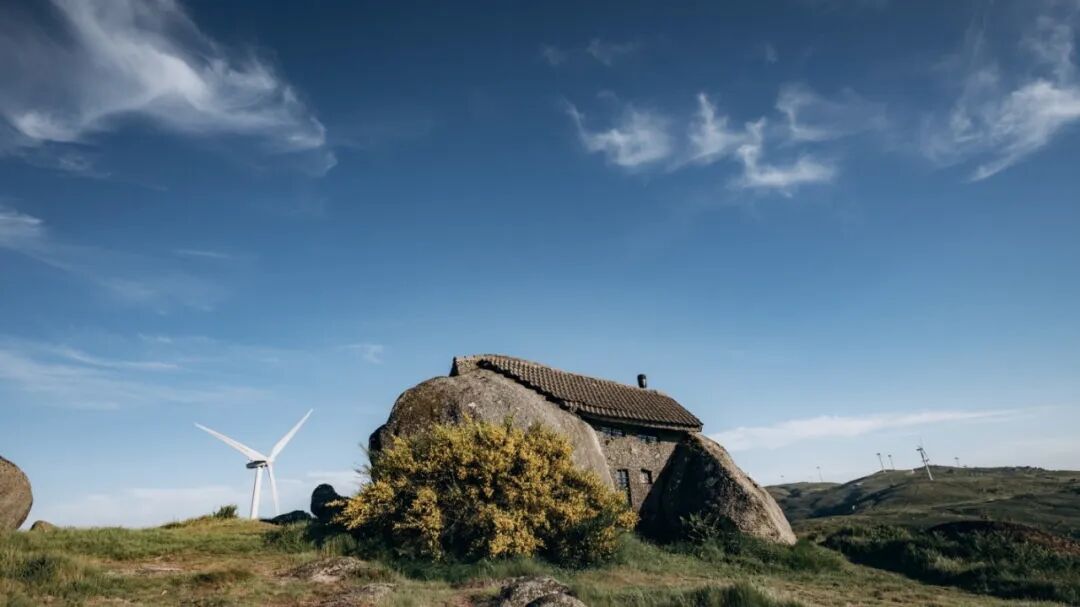
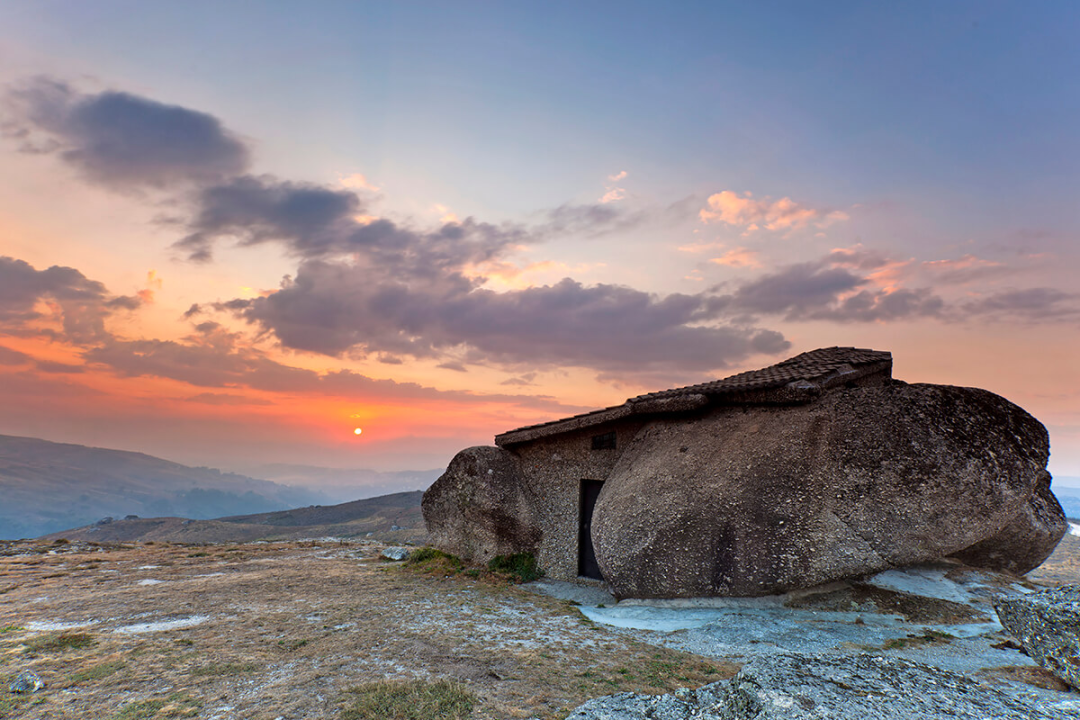
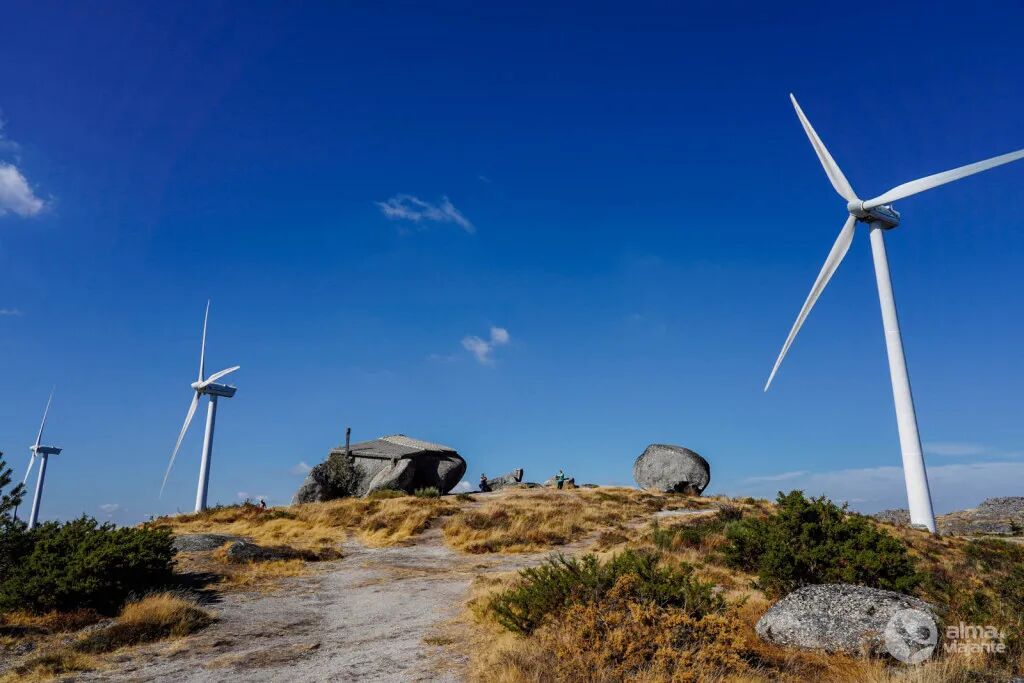
In the Fife Mountains of Portugal, there is a house that seems to have grown out of a boulder.
This stone house was built in the 1970 s and used as a mountain holiday home. Its walls and roof are composed of four natural boulders, which are integrated with the surrounding environment.
The house is divided into two floors, with basic living spaces such as kitchen, living room and bedroom. The furniture is mostly hand-made from logs, which is simple and natural.
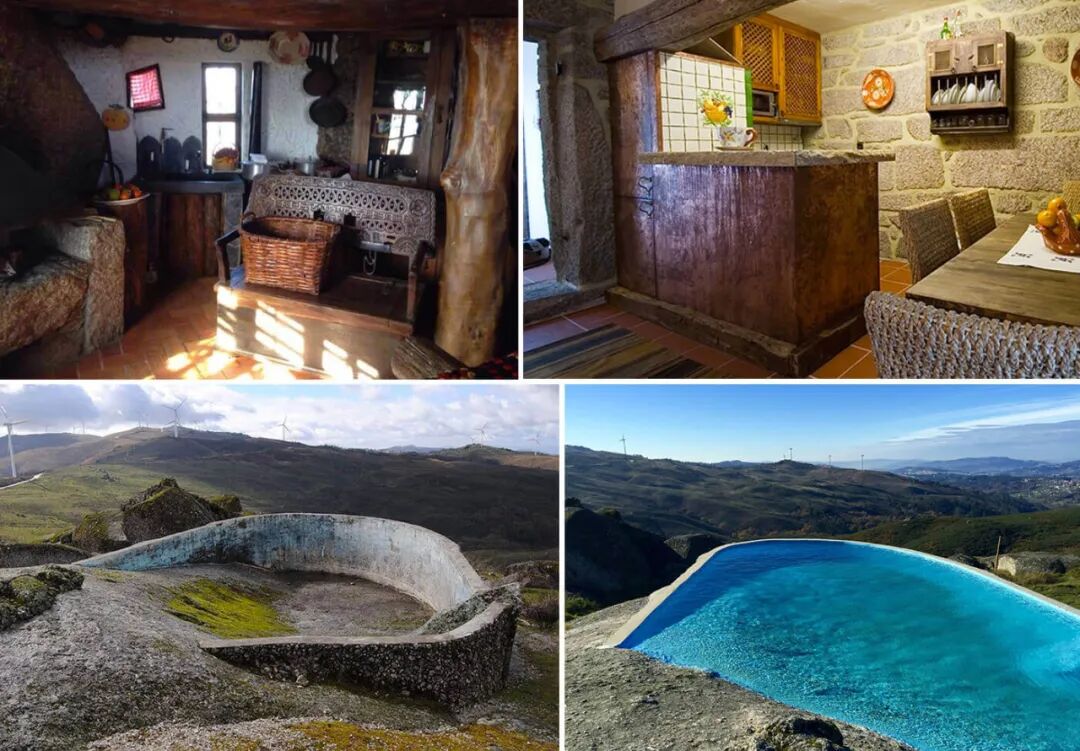
Because of its peculiar appearance, the stone house attracts many tourists. Later, in order to protect the building, protective doors and windows were added.
Today, it has become a small museum, displaying historical materials and images related to houses.
NO.08
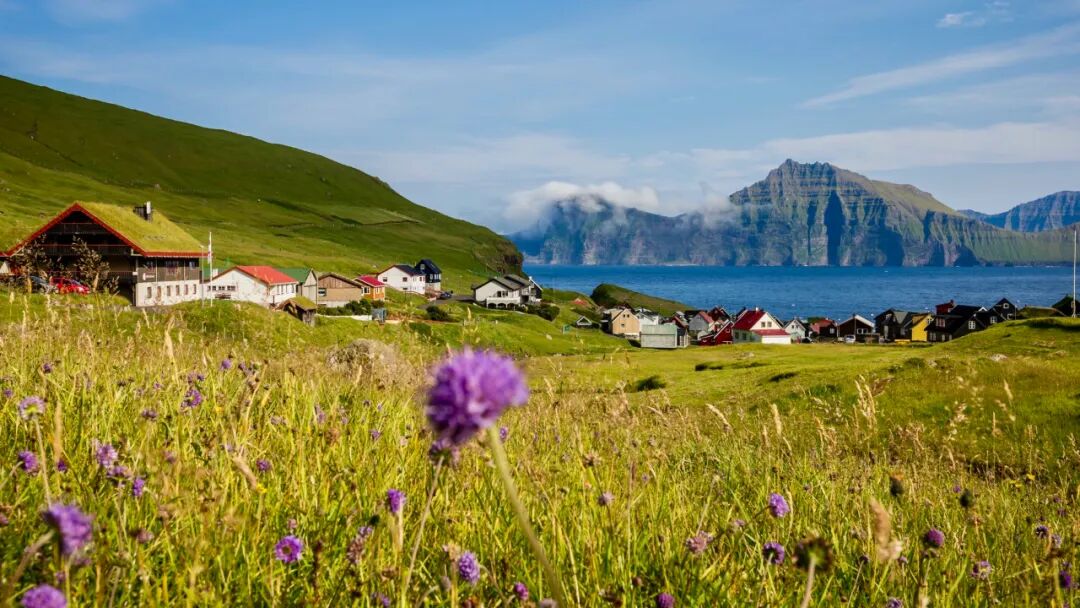
Gasadalur, Vágar, Faroe Islands
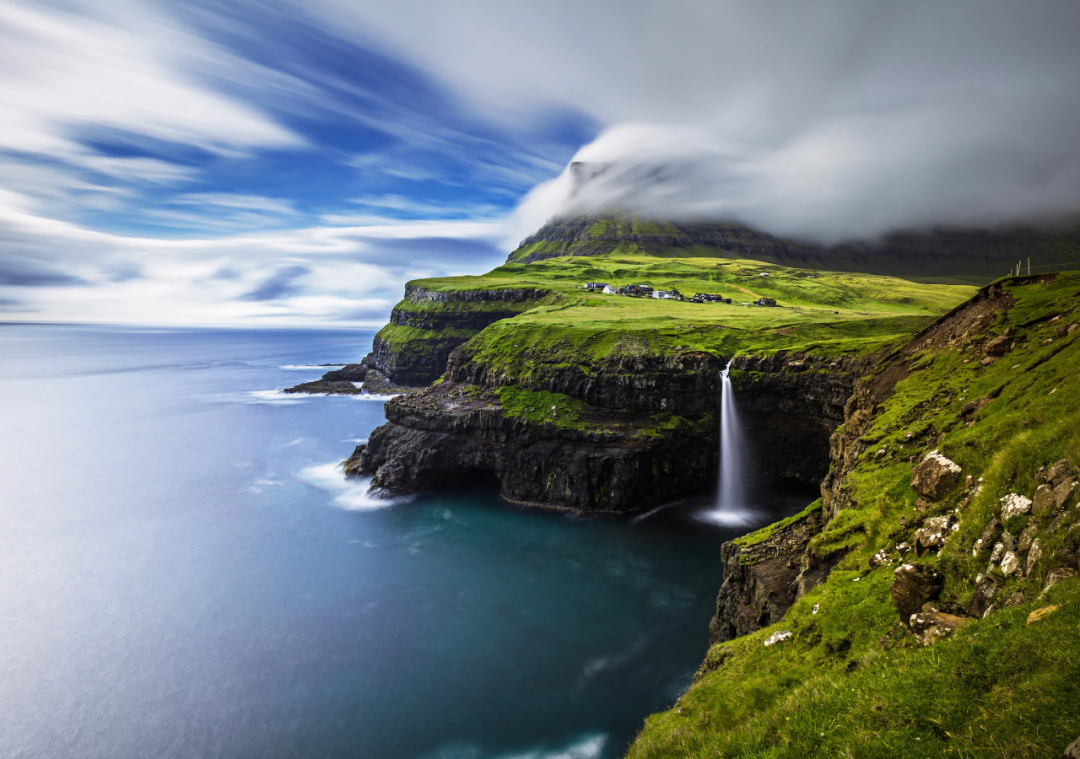
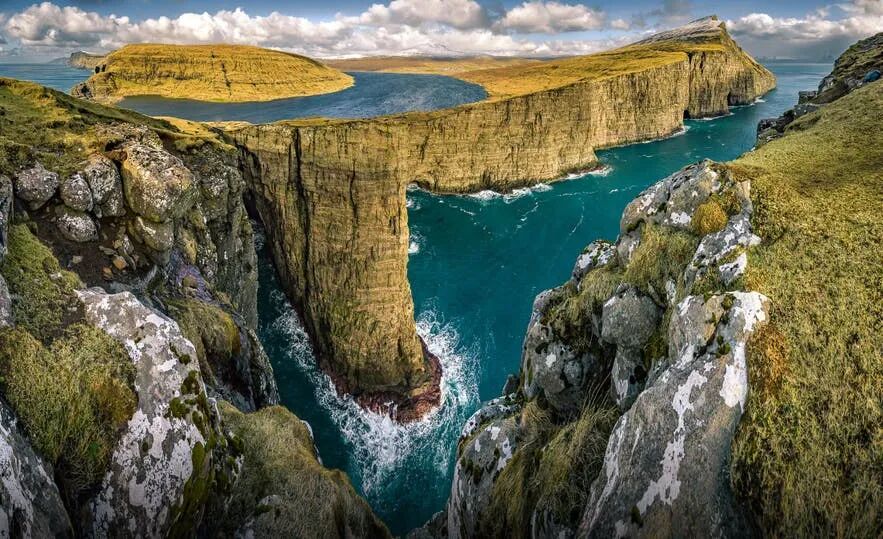
The Faroe Islands consist of 18 islands located in the North Atlantic between Norway and Iceland,Famous for its unparalleled scenery.
As early as the fourth century AD, Celtic monks lived in seclusion here. The traditional grass-roofed house on the island is a vivid embodiment of its cultural heritage.
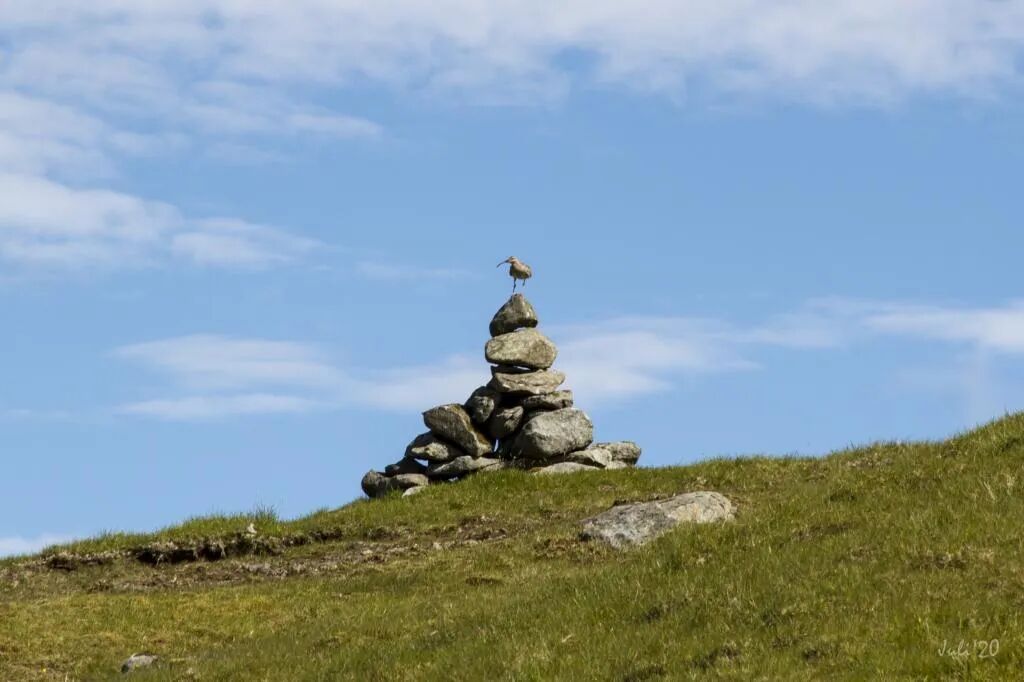
There are common road signs on hiking roads, and each stone carries the footprints and thoughts of passers-by.
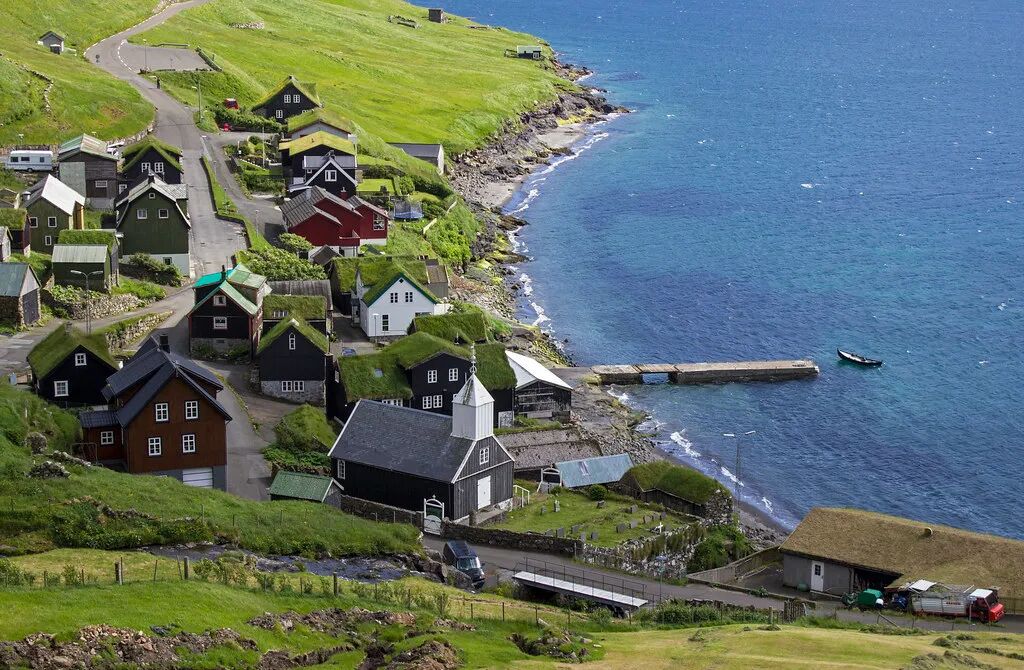
Situated on the edge of a steep cliff, the village of Gasadalur is known as the village at the end of the world.Only about 50 residents live here.
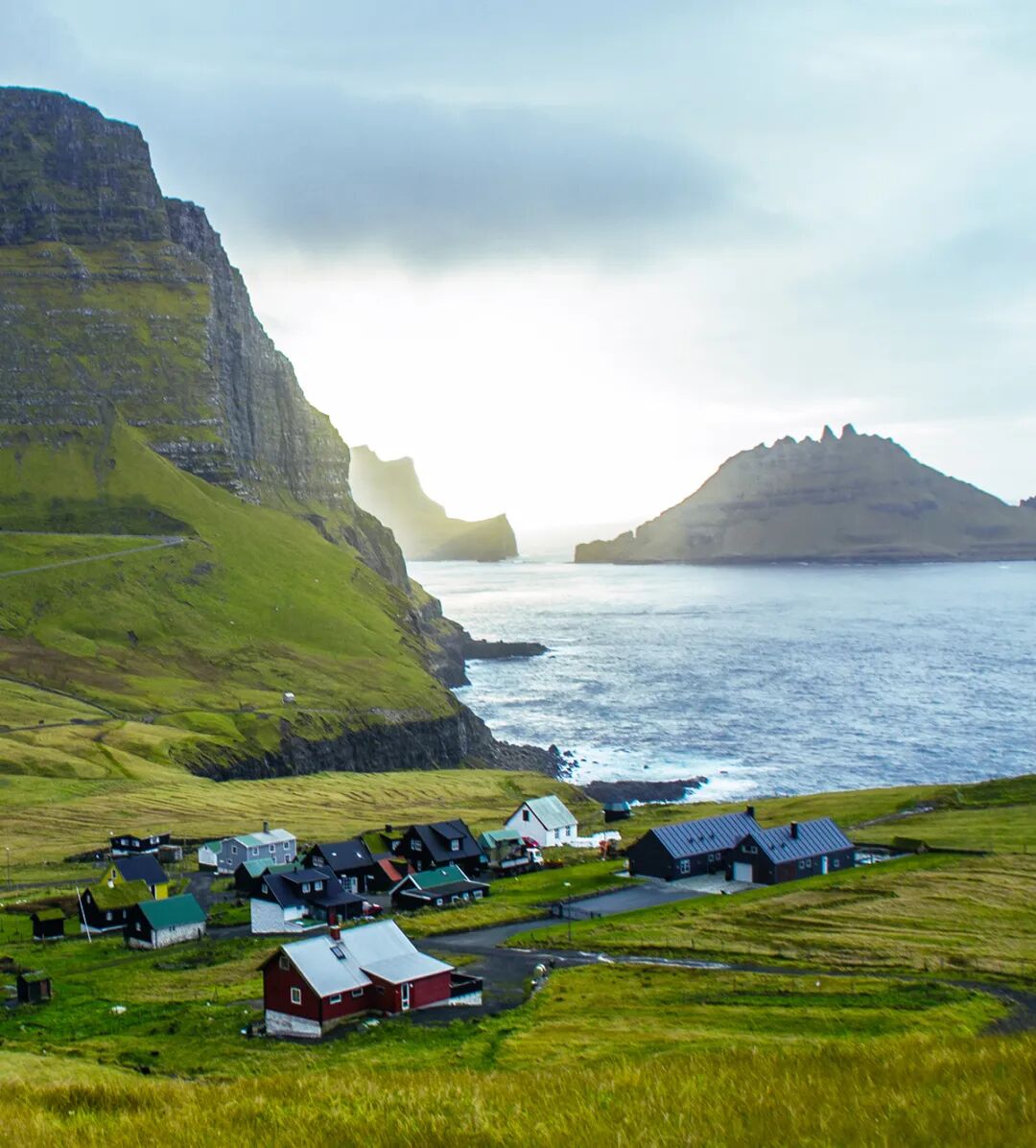
Looking up, it is the wind-blown grass waves and the rugged sea erosion pillars, forming a lonely and magnificent picture.
Wordie House, Winter Island
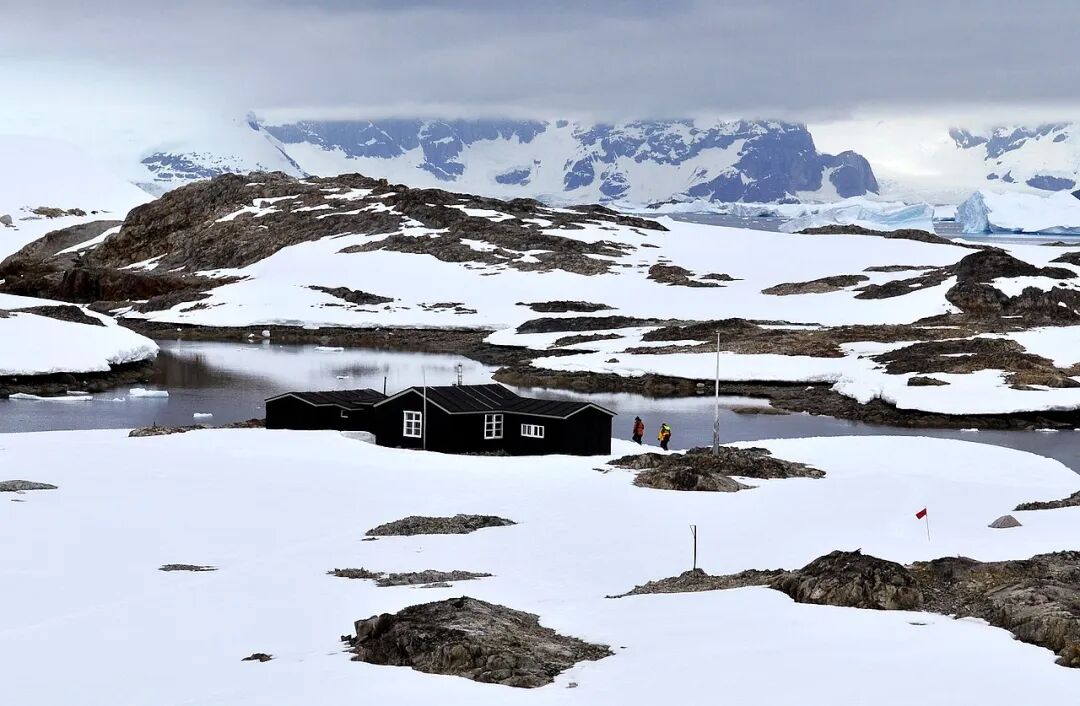
Winter Island in Antarctica was once the winter base of British expeditions, and the Wordy House on the island got its name after the famous geographer James Wordy.
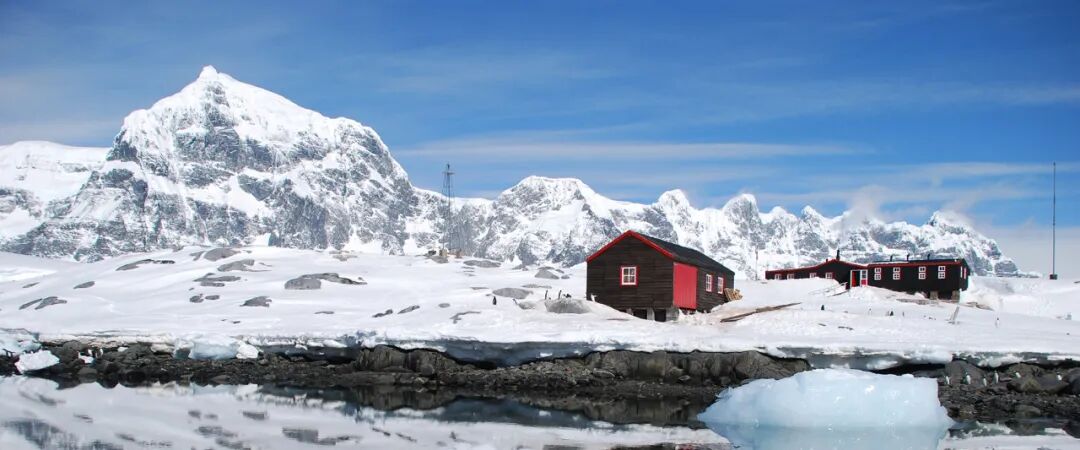
During World War II, the house was used as a meteorological observatory, recording valuable climate data until 1954.
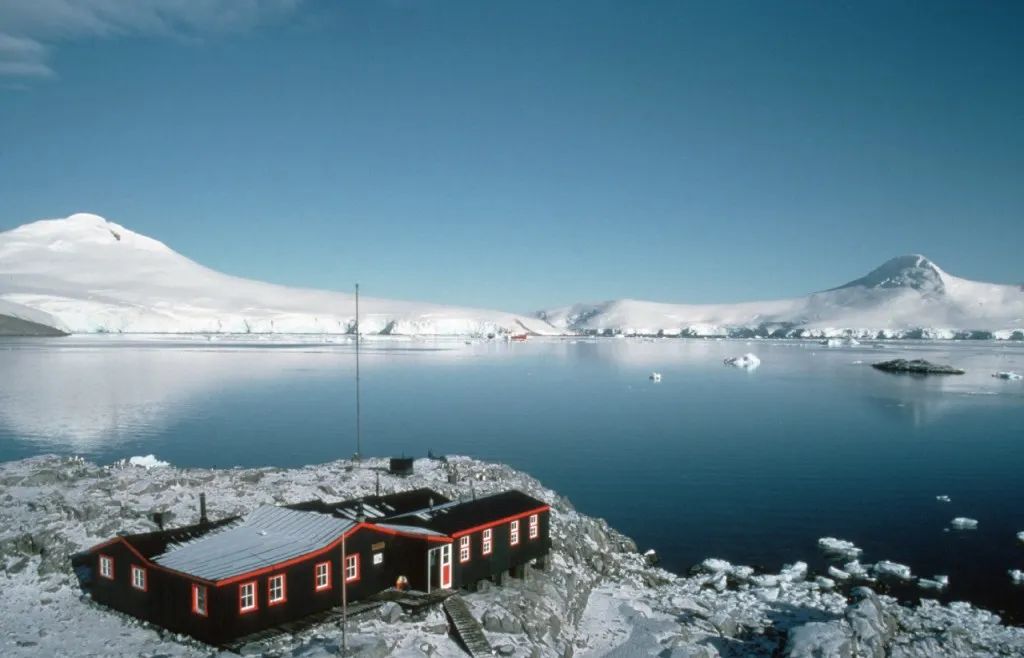
In 1995, it was listed as a historic site and became a witness to the history of Antarctic science and exploration.
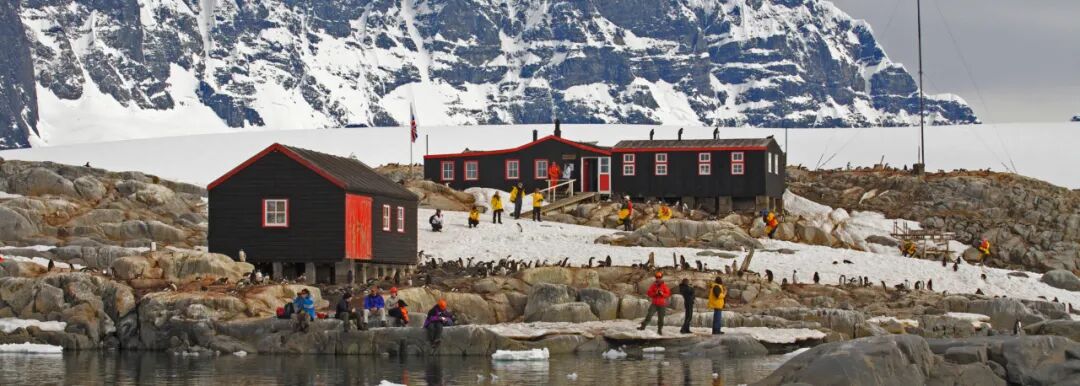
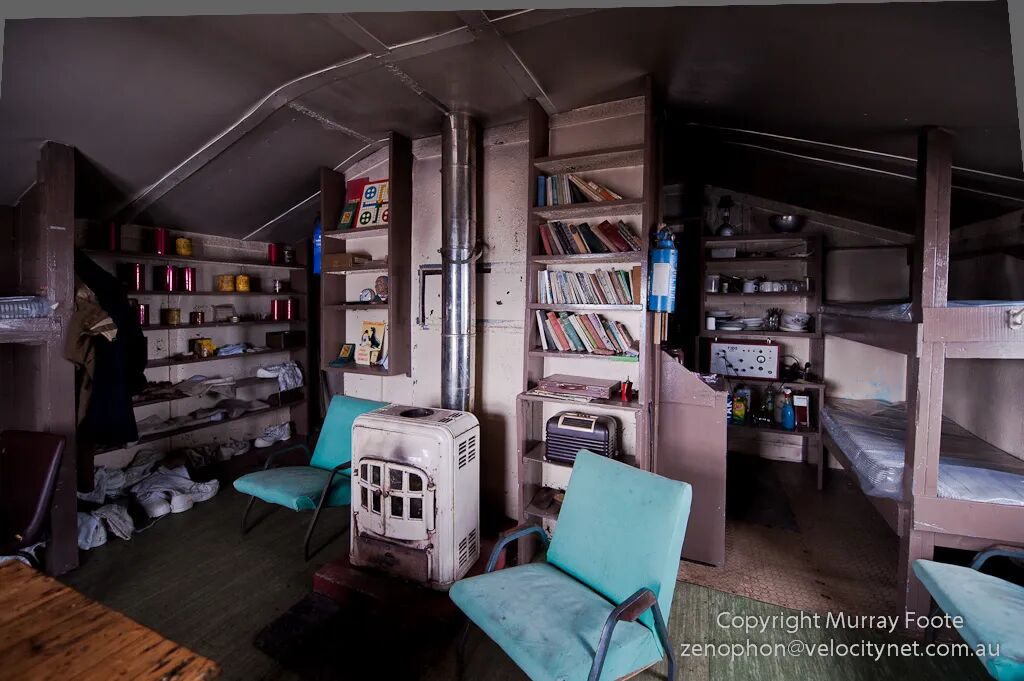
There are still nearly 500 original items in the house, such as old coffee cans and records, just like a sealed time capsule.
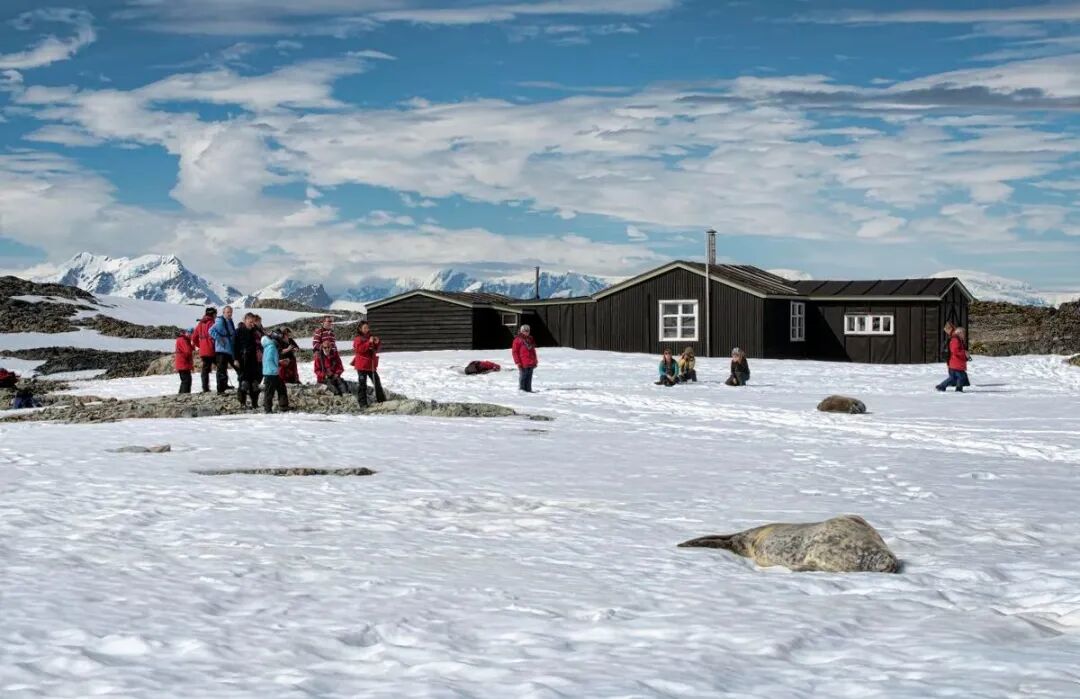
It is covered with snow all year round, and the silence is boundless. Scientists and explorers still come to feel the purity of the southernmost tip of the earth.
NO.10
Mountain Station · Matterhorn, Switzerland
Solvayhütte, Matterhorn
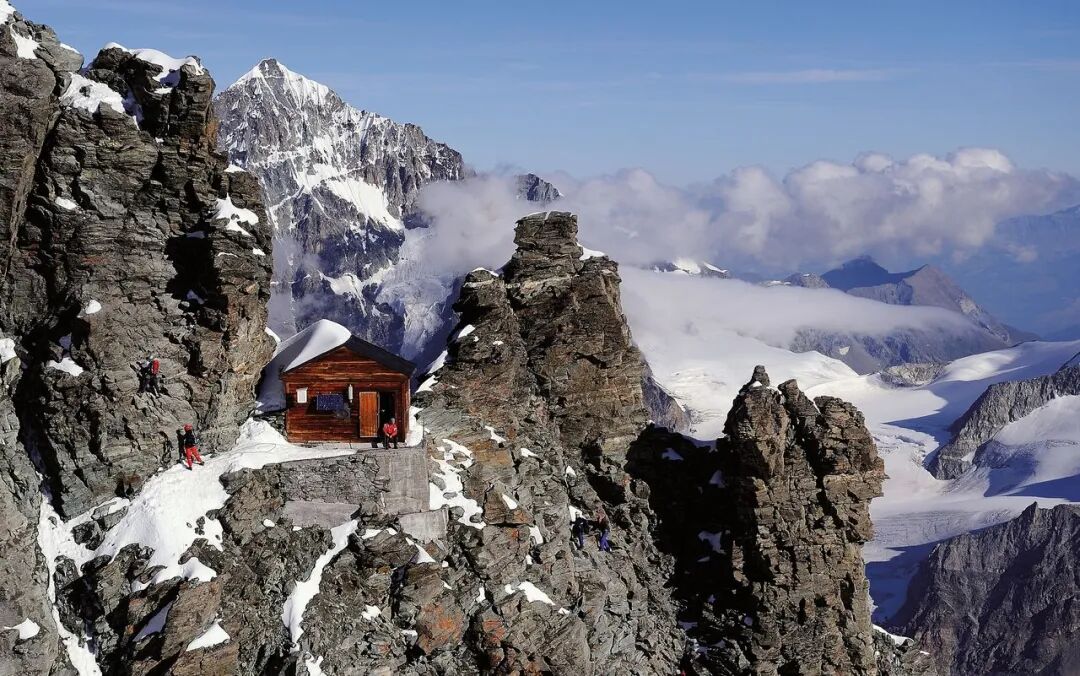
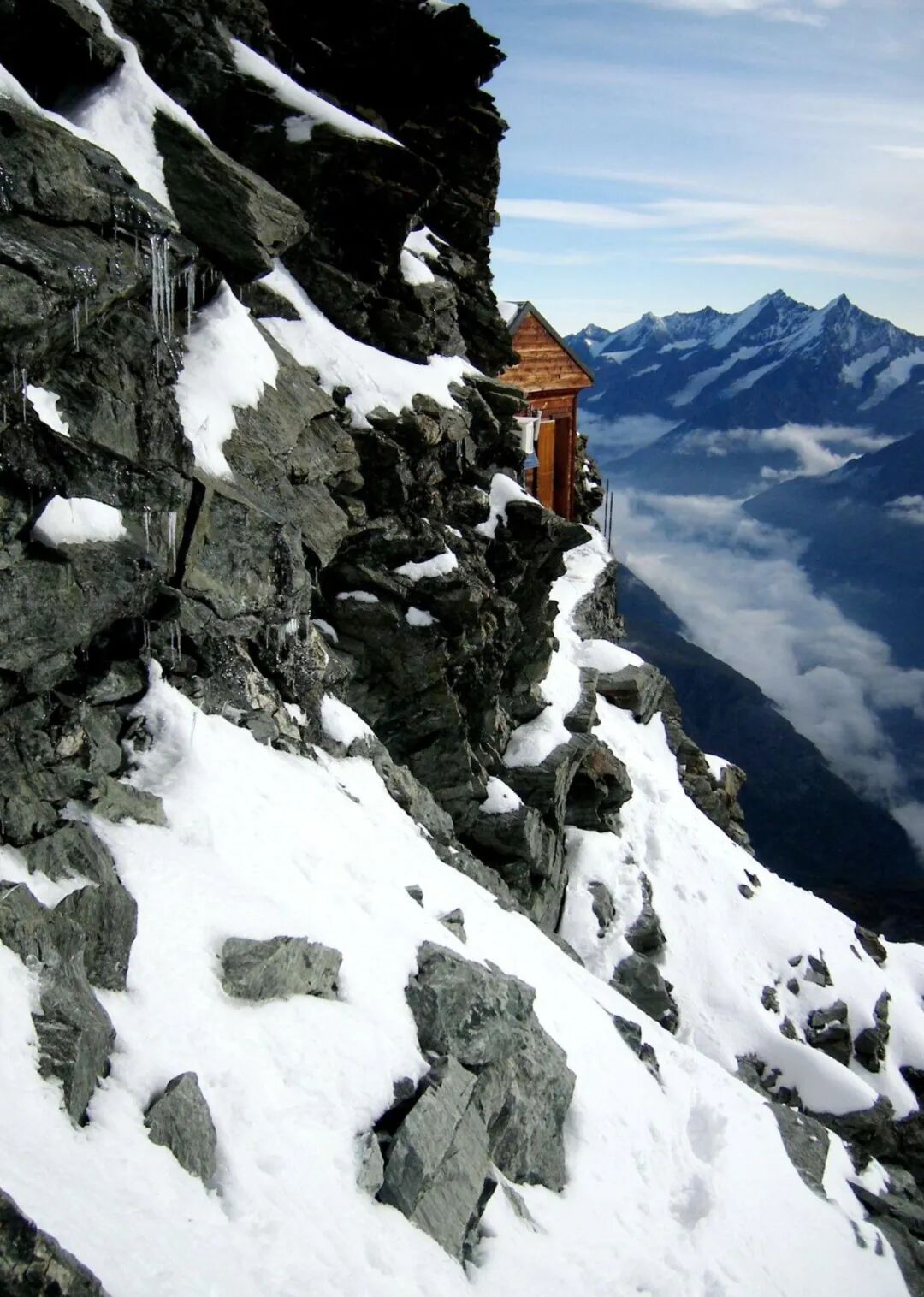
On the ridge of the Matterhorn in Switzerland at an altitude of 4,003 meters, there is a chalet called Solvay, funded by Belgian industrialist Ernest Solvay and built in 1915.
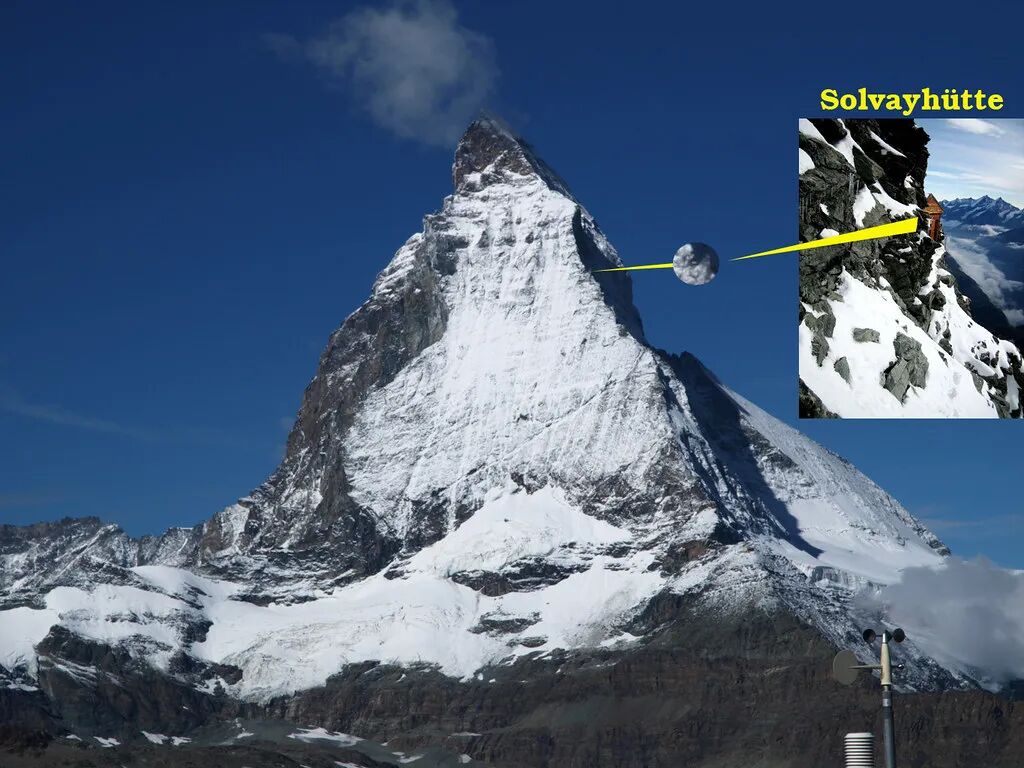
As a mountaineer enthusiast and environmental supporter, Mr. Solvay built this house to provide emergency shelter for climbers.
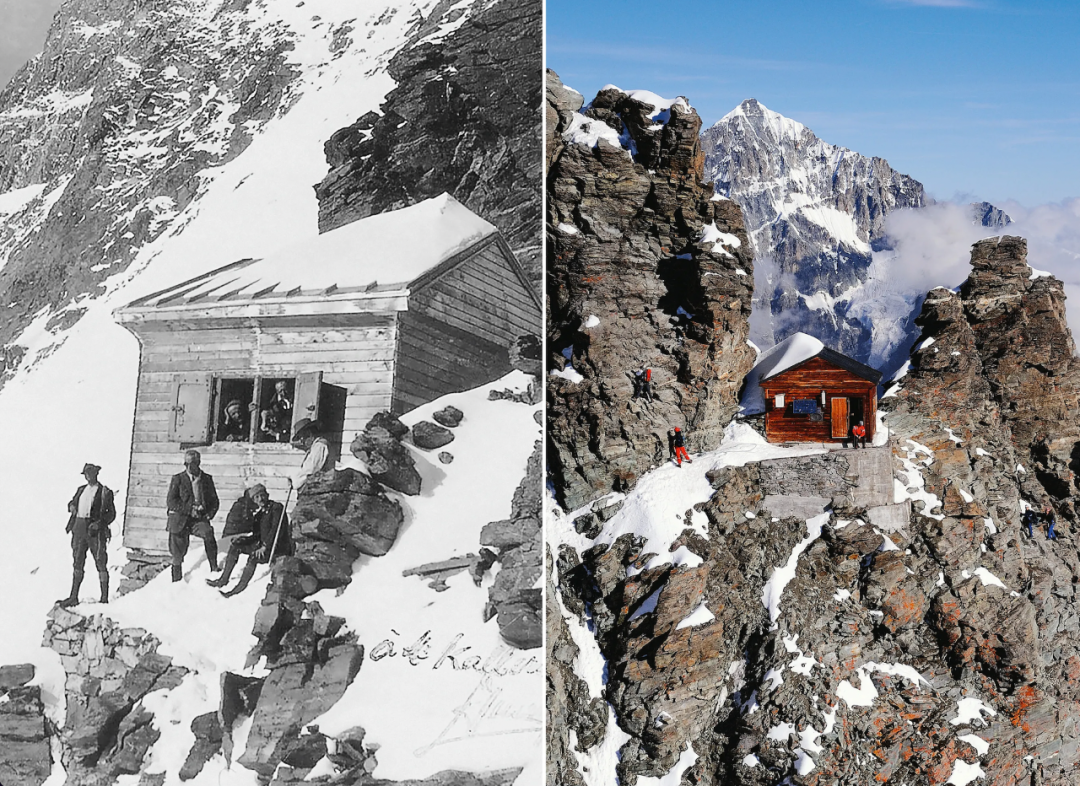
Due to the steep terrain, the construction process is extremely difficult. To this day, it is still an important halfway stop on the route to climb the Matterhorn.
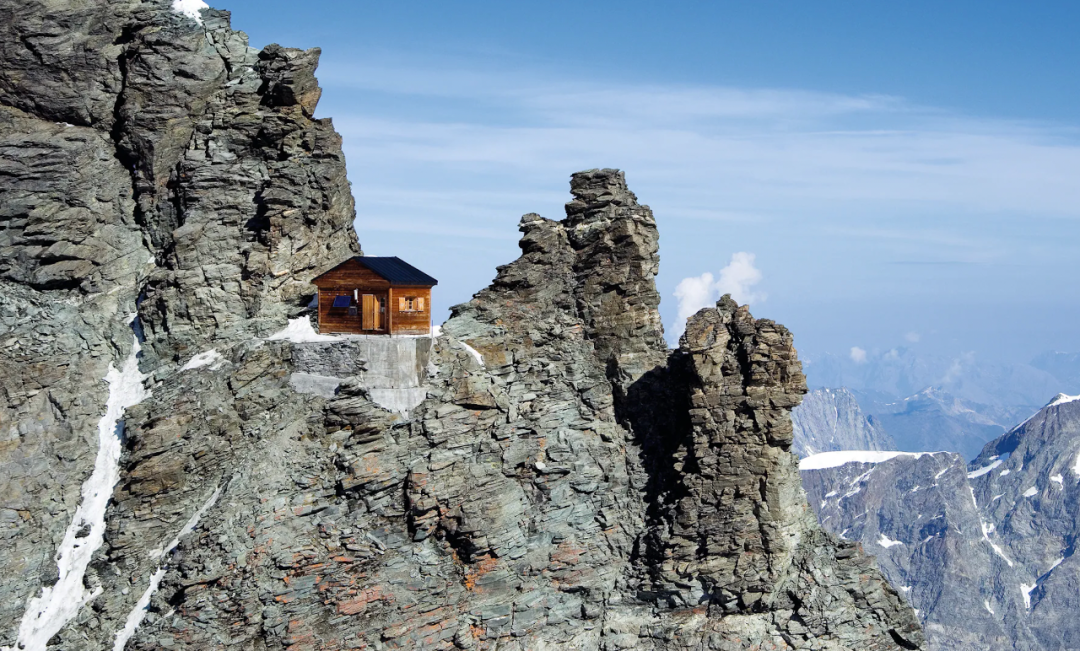
The cabin can accommodate about 10 people and provides basic resting conditions. It is not only a landmark in the history of mountaineering, but also attracts many tourists to look up to it.
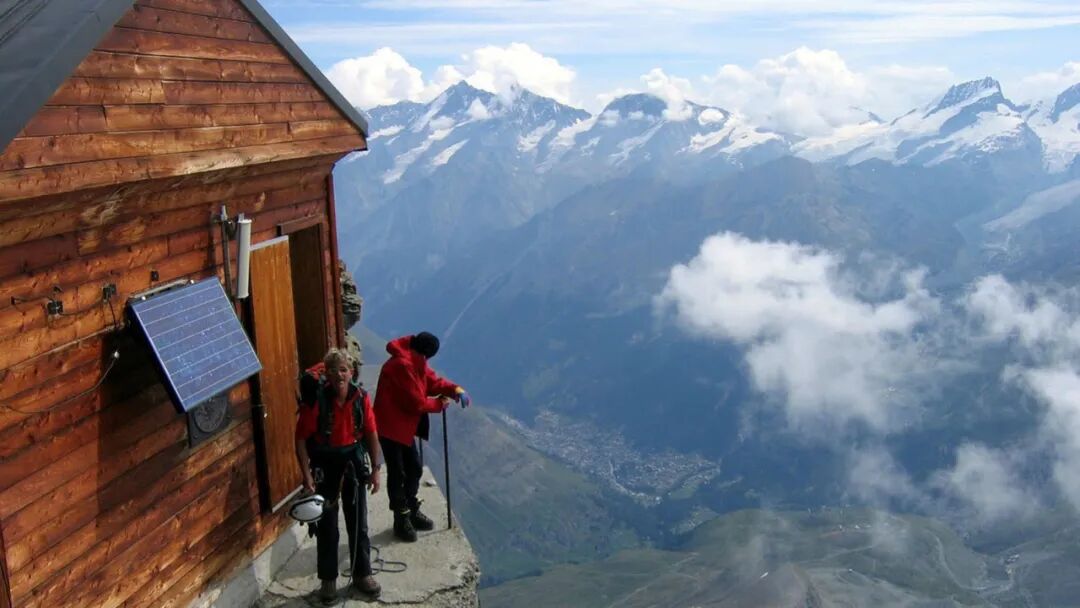
Nowadays, as climate change intensifies, cottages are also challenged by their natural environment. Relevant agencies are working hard to ensure that they can continue to protect the safety of climbers.