When the world flocks to crowded scenic spots, there are still some places gently forgotten in the corner by time. They are far away from the hustle and bustle, hidden deep in Shan Ye Lake, waiting for those souls who are eager to talk to their hearts.
The poet Robert Frost writes in The Road Not Taken:I chose the one off the beaten path and that made all the difference.Those secluded villages and towns may be the promised land where we look for difference and regain peace.
In this issue, let’s cross the mountains and seas and visit ten little-known secret places around the world.They are either hidden among the towering mountains or lying quietly by the shining lake. Although they are not well known to the public, they provide a habitat for the soul with their pure natural scenery and profound cultural heritage.
Embark on this journey of discovery and rediscover those treasured places that have been treasured by time. Perhaps, as the poet said, choosing the road that few people take will really change our journey and mood.
NO.01
Orta San Giulio, Italy
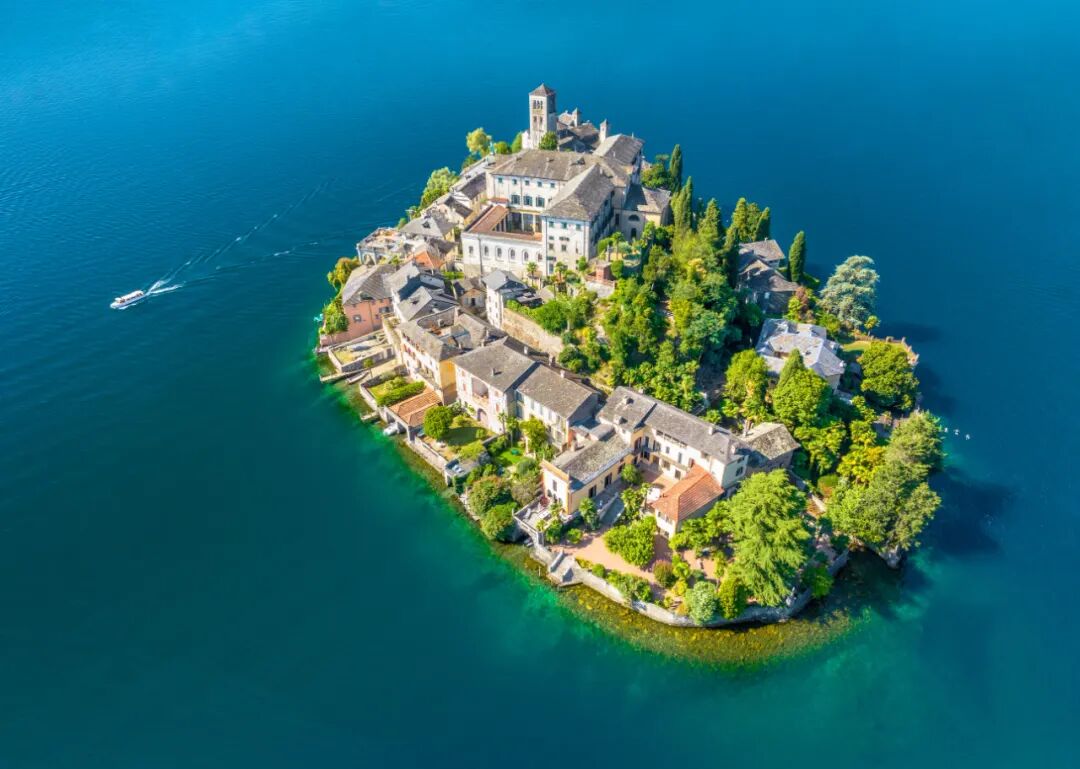
While Lake Como and Lake Maggiore are famous, the low-key Lake Orta, with its quiet beauty, is waiting for travelers who know how to appreciate it.
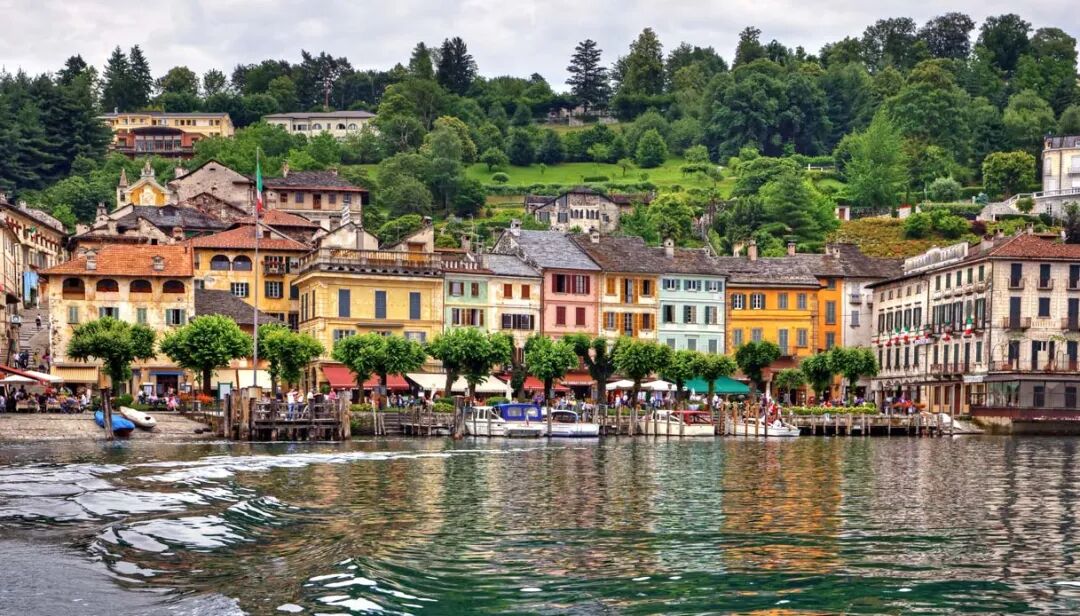
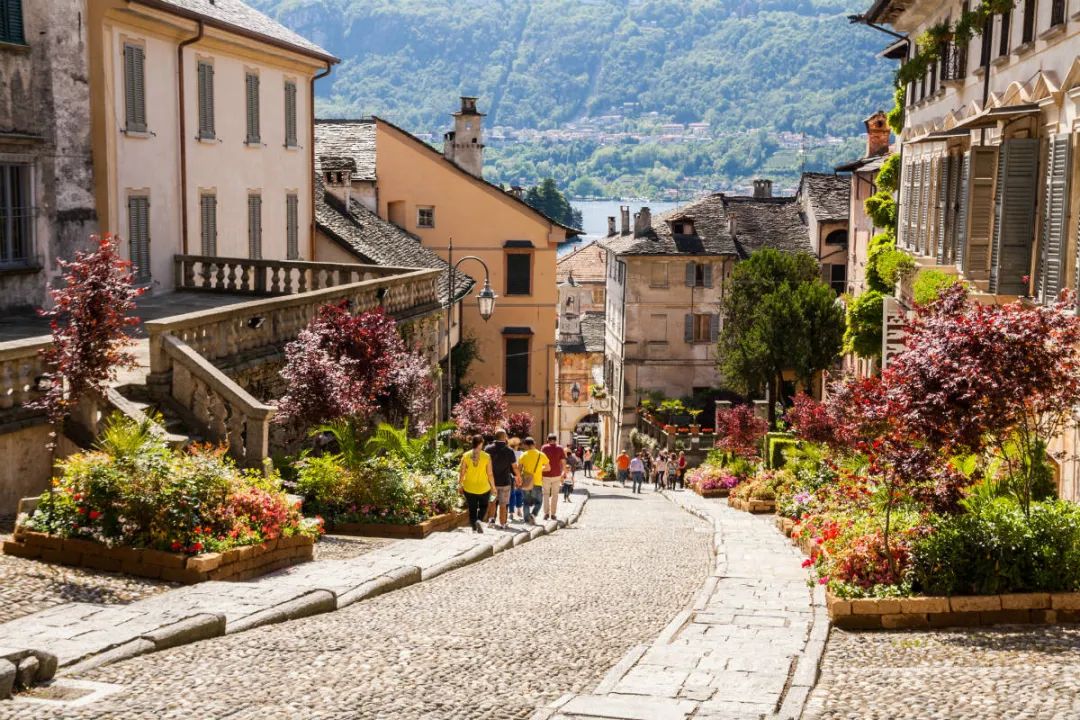
In the heart of the lakeshore,The town of Orta San Giulio is like stepping out of a medieval picture, time has slowed down here.
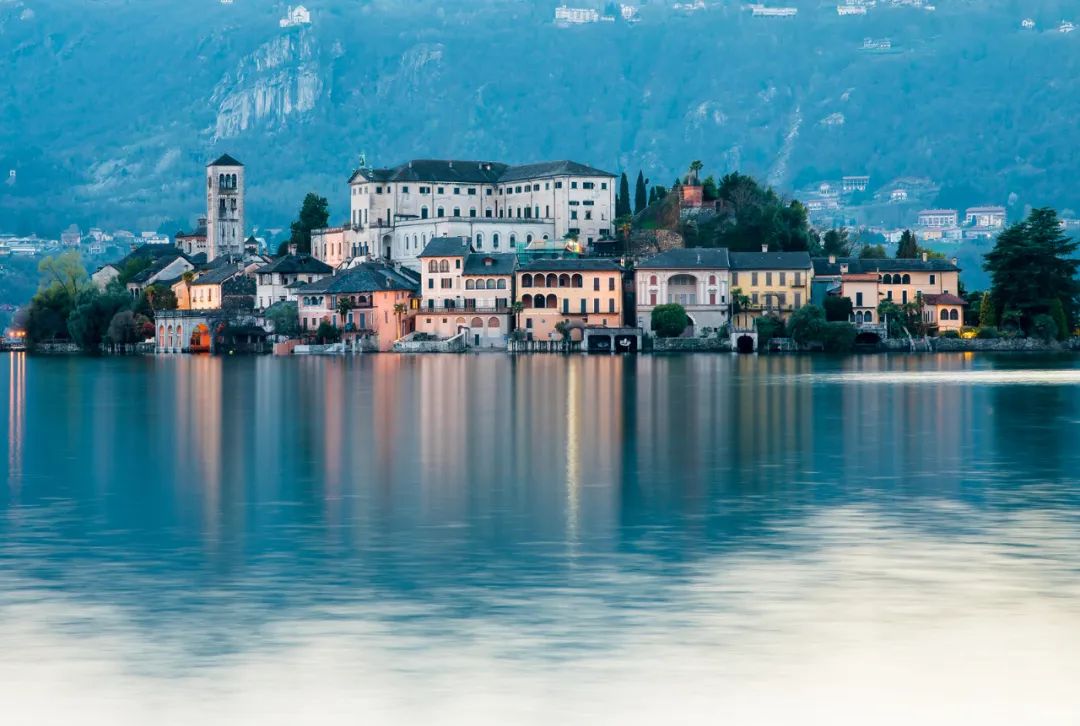
Its history dates back to Roman times and is still haunted by medieval romantic atmosphere. Walking through cobbled alleys, there are mottled churches and stone-wall buildings on both sides, and the story of time is engraved in each place.
On the island in the middle of the lake, the quaint Benedictine monastery stands quietly; At the southern end is the Church of San Giulio, which has a history of centuries. Its murals are colorful and tell the glory of the 12 th century.
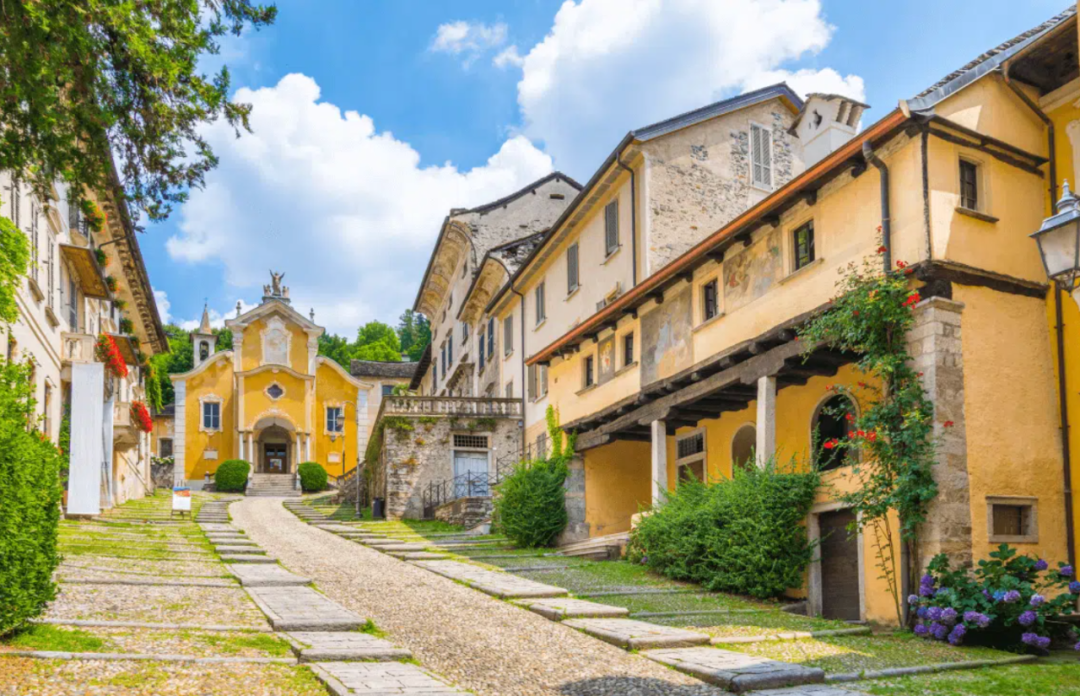
Climb to the top of the Holy Mountain, and twenty chapels dedicated to St. Francis are dotted among them. Exquisite murals and statues seem to bring you back to the legendary era of knights and nobles.
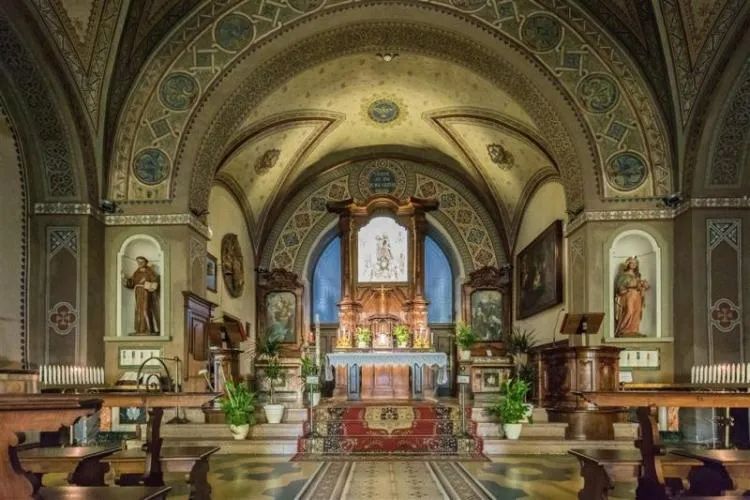
Here, the lakes and mountains are perfectly blended with human history. Walking along the silent road around the island, the lake reflects the sky and clouds, as if you were stepping into a fairyland on earth.
NO.02
Frigiliana, Spain
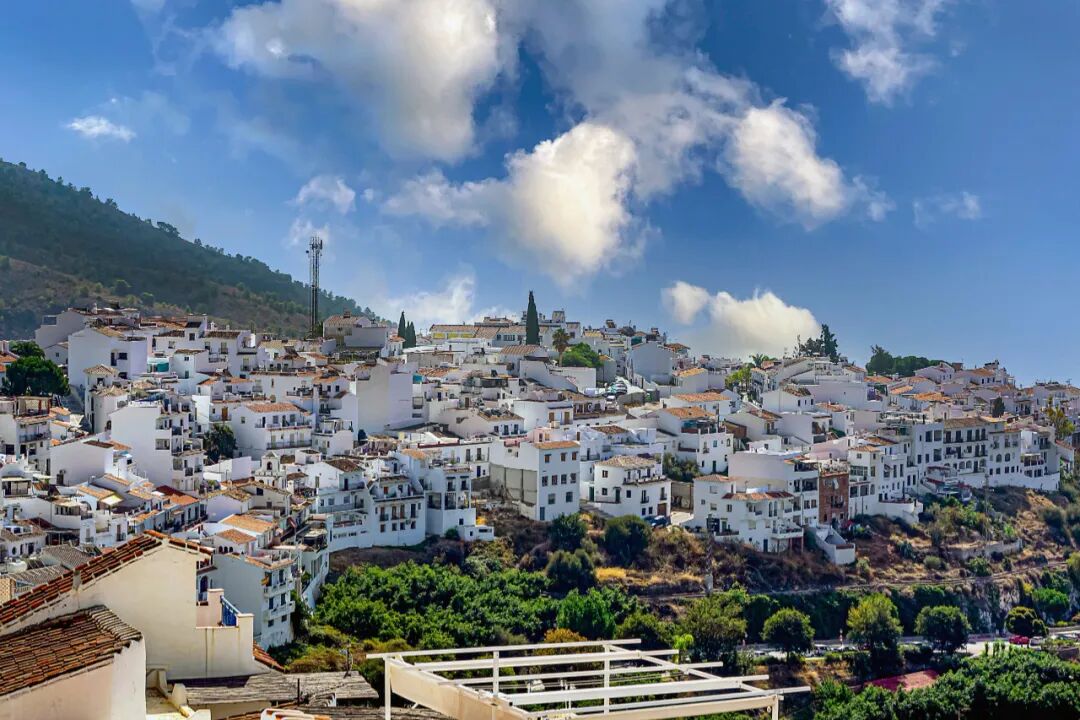
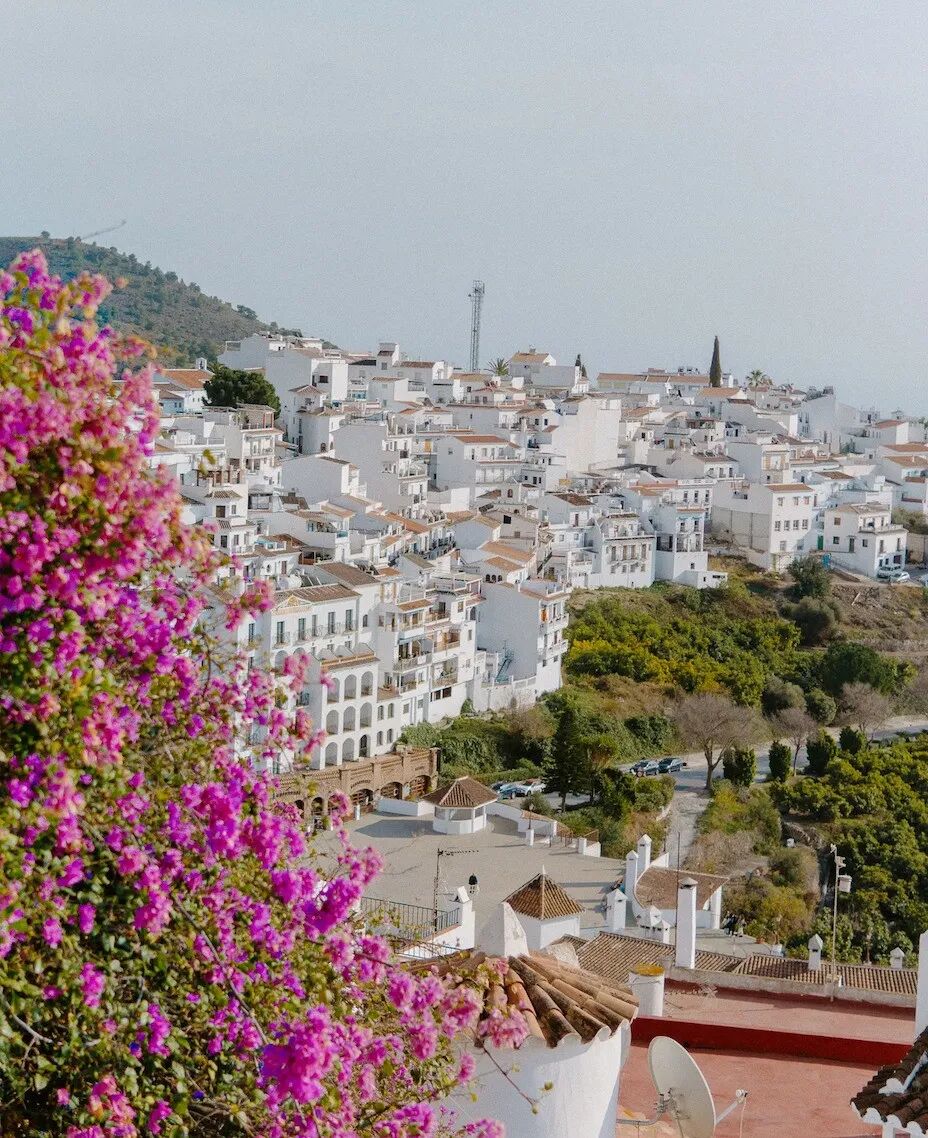
Above the ridges of southern Spain,Friscilia is like a white pearl inlaid on the coast of the Mediterranean Sea, and is known as the most beautiful “white village” in Andalusia.
It is only a few kilometers away from the coast, surrounded by lush green trees and gurgling streams, forming a moving landscape painting.
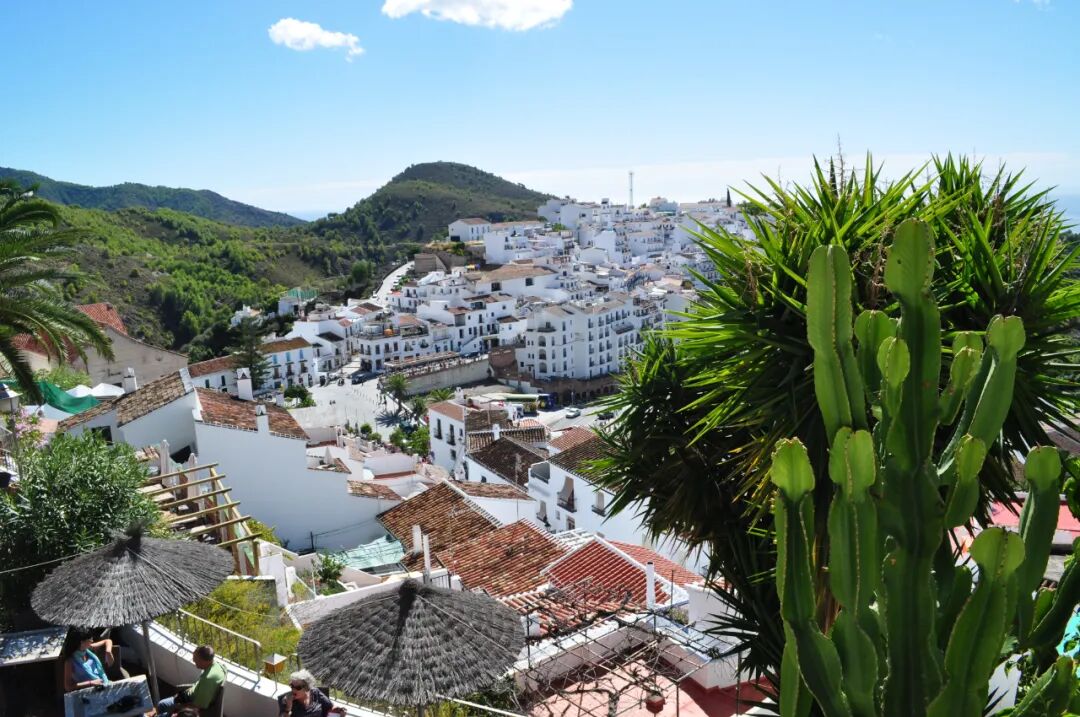
From the Neolithic Age to the Phoenician, Roman and Moorish times, layers of history have precipitated here. Strolling through the winding streets of Mudehar District, the influence of diverse civilizations is within reach.
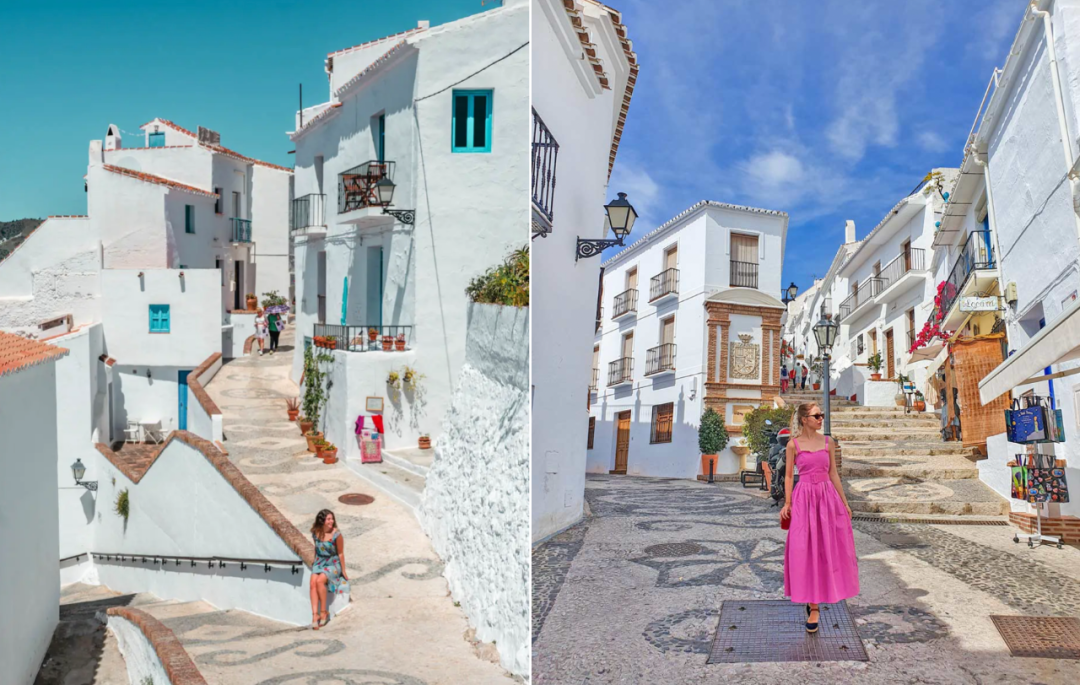
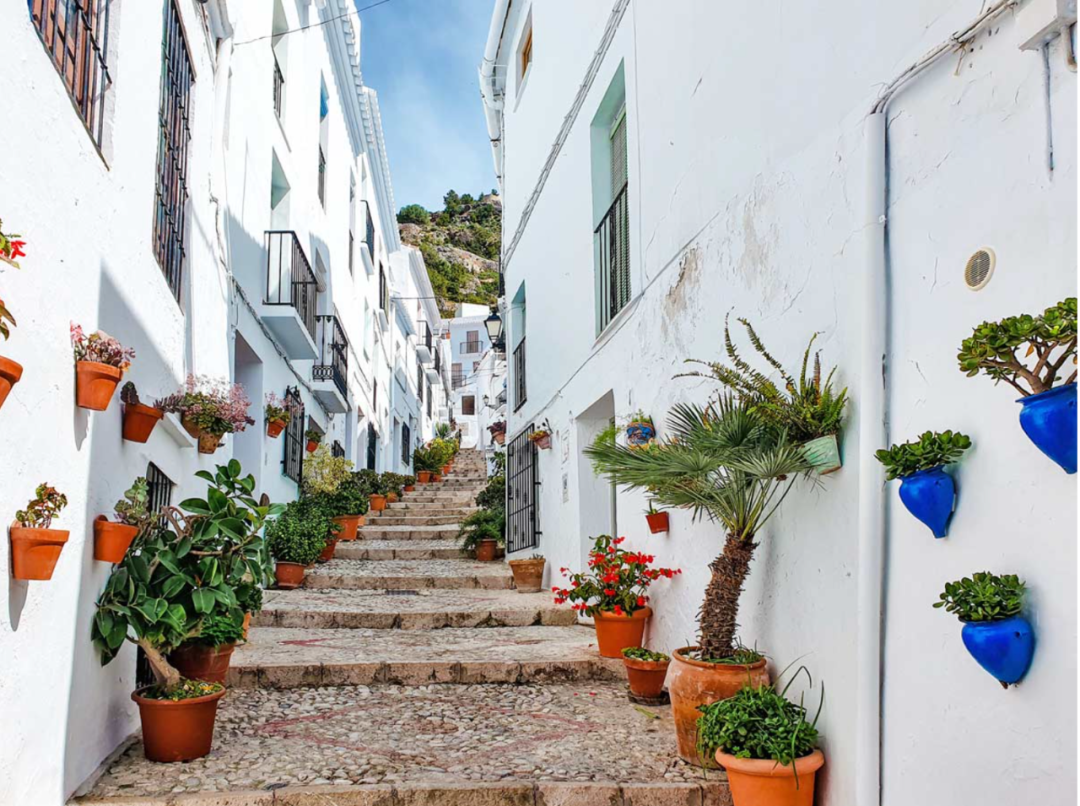
The blue and white architectural style originated from the Moorish era and is a unique legacy left by Arab artisans here.
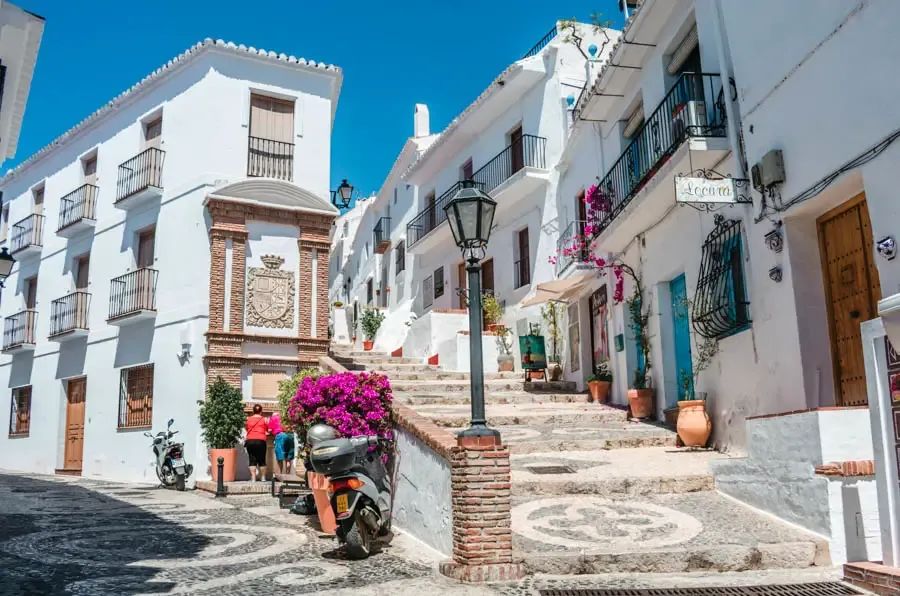
The church of San Antonio in the center of the old town has a chic wooden dome. The hike up to the top offers stunning panoramic views of the town.
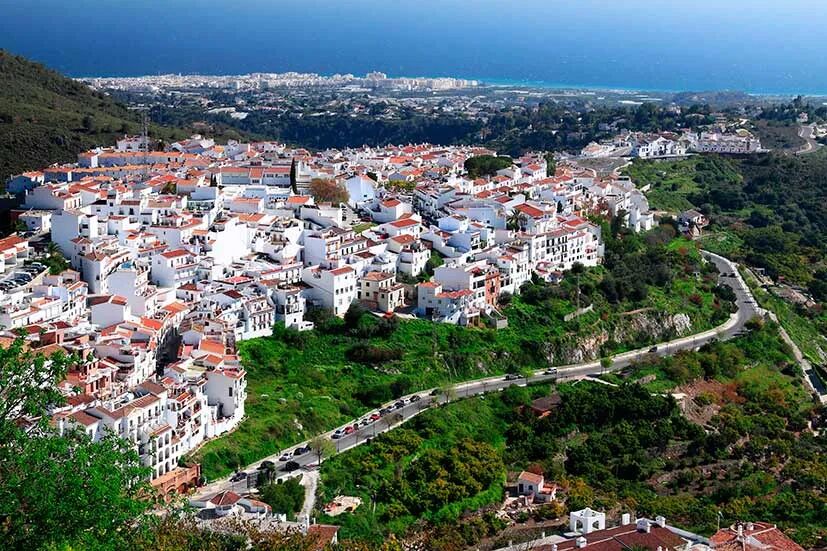
Friscilia is like a living museum of multicultural heritage. The “Three Cultures Festival” in August every year vividly reproduces the historical chapter where Christianity, Judaism and Islam coexist harmoniously.
NO.03
Gordes, France
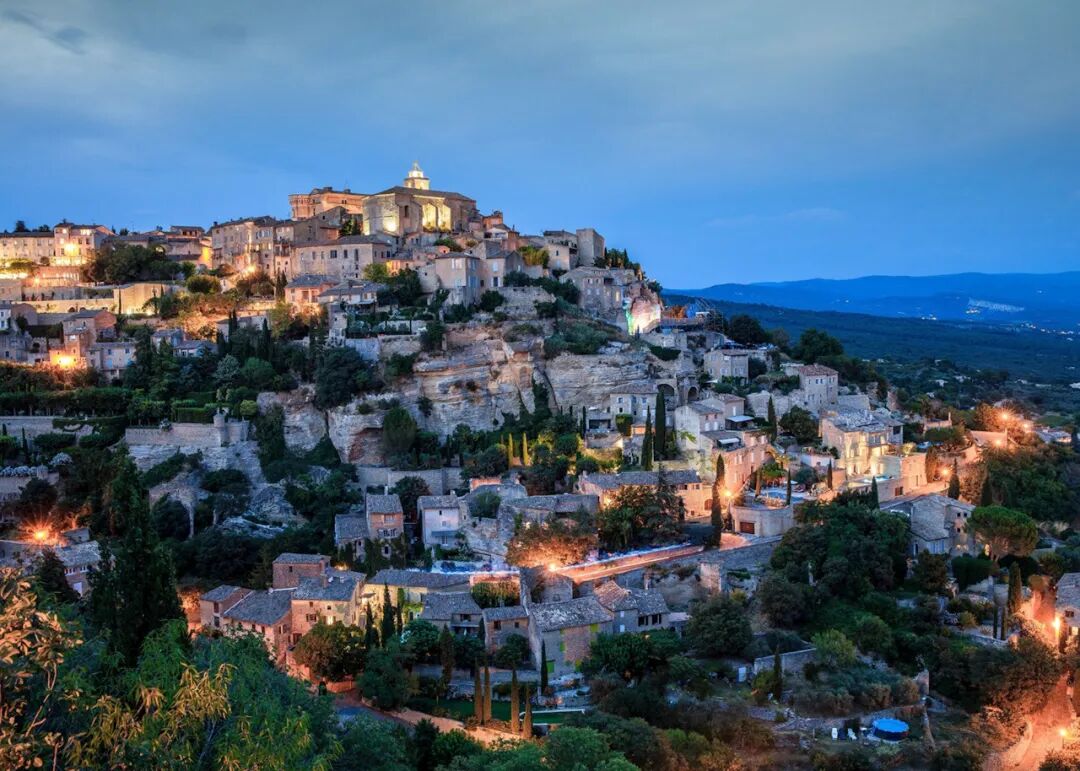
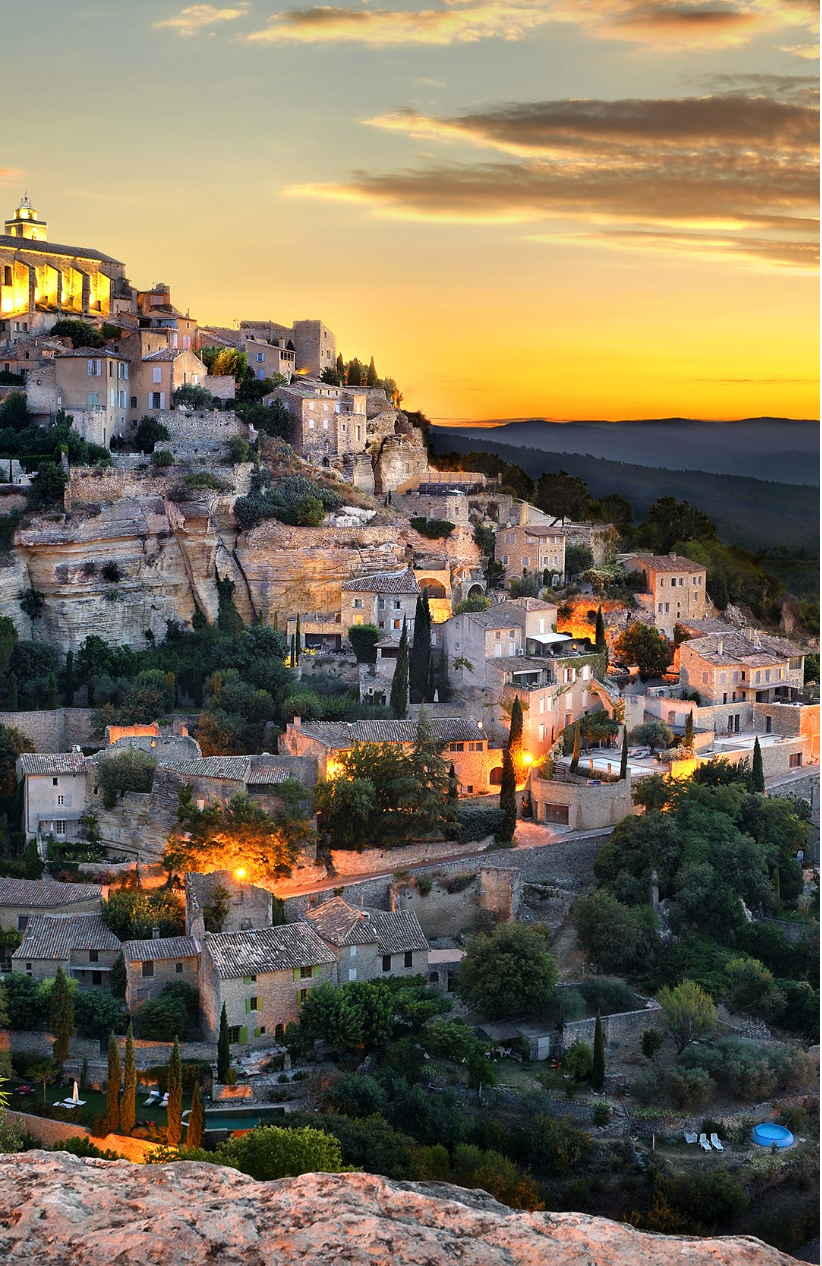
Above the Vaucluse Heights, the small town of Gold overlooks the Caraon Valley and faces the magnificent Luberon Mountains.
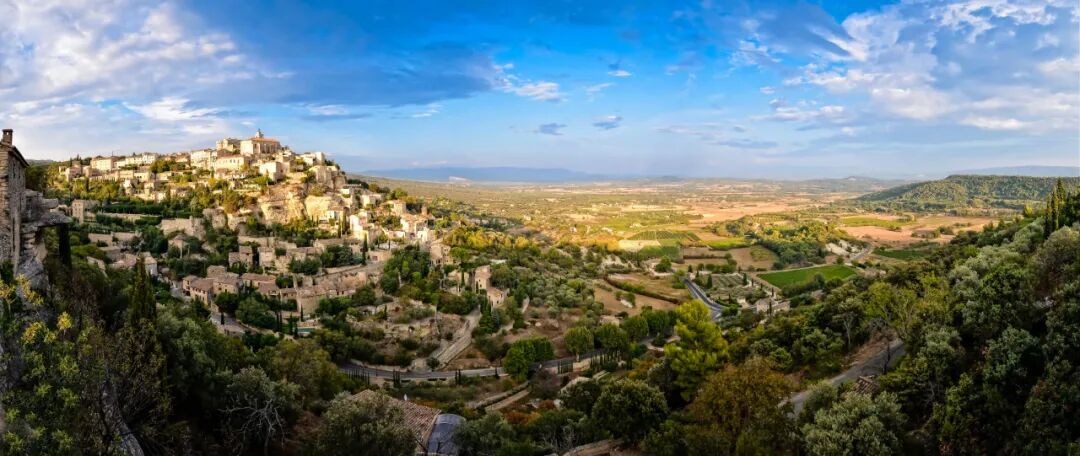
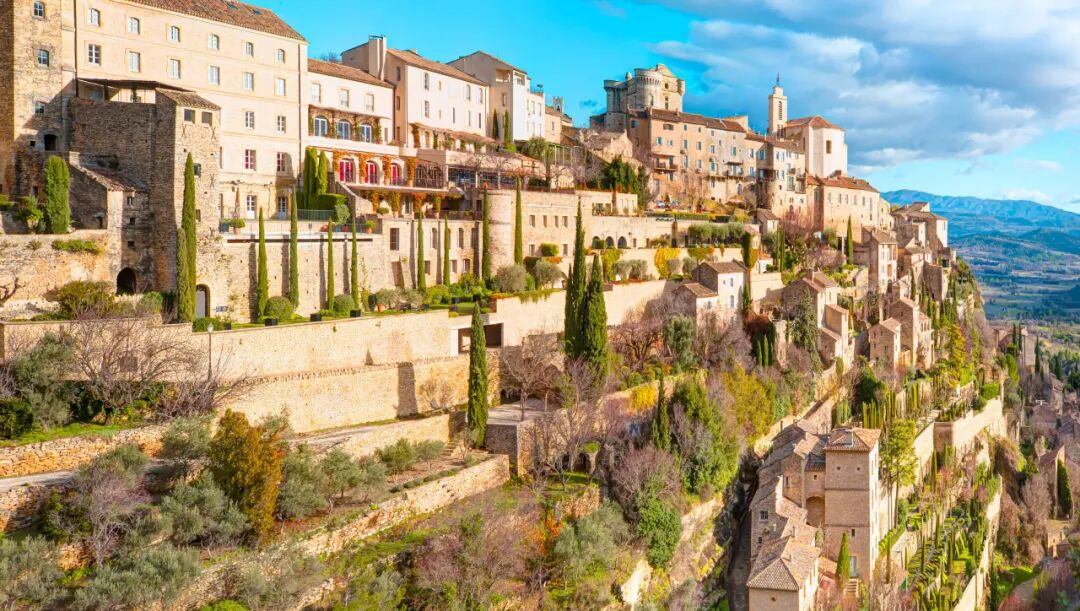
The granite houses and mountains are natural, and they look like a suspended castle in the air from a distance, which is magnificent, so they enjoy the reputation of “Stone City”.
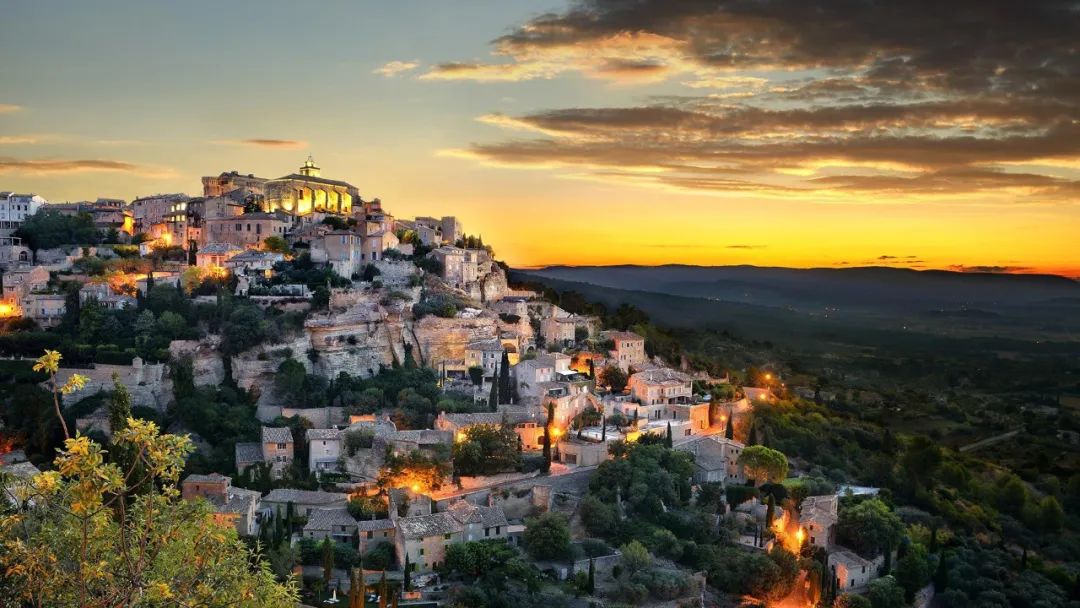
As an ancient Celtic fortress, its history can be traced back to the 11 th century. The sturdy city walls and maze-like alleys make every landscape like an oil painting, and every stone whispers.
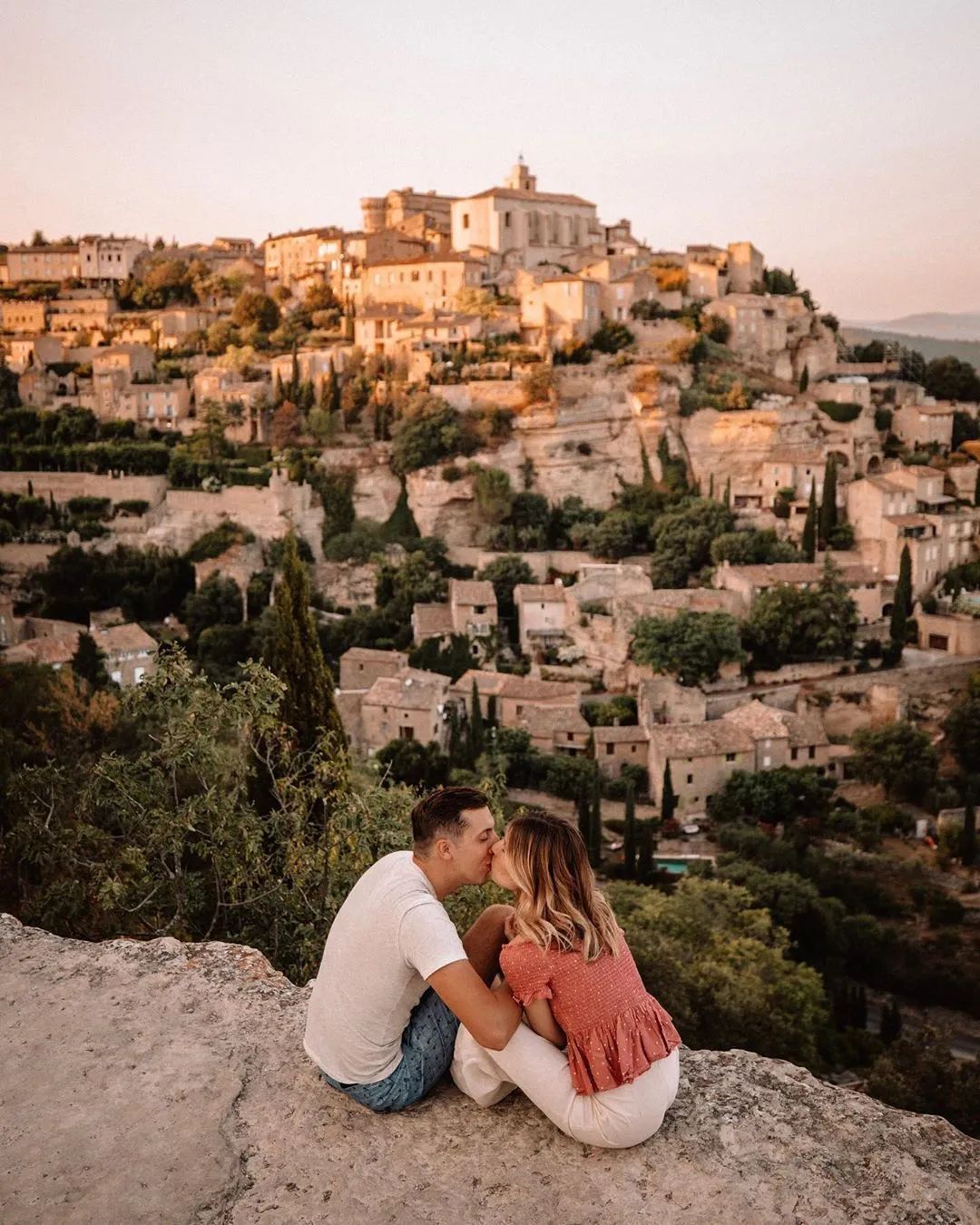
Up the narrow cobbled streets, the stone buildings of the 16 th century are still strong. In the center of the town stands a Renaissance stone castle, former fortifications, now a temple of art and culture.
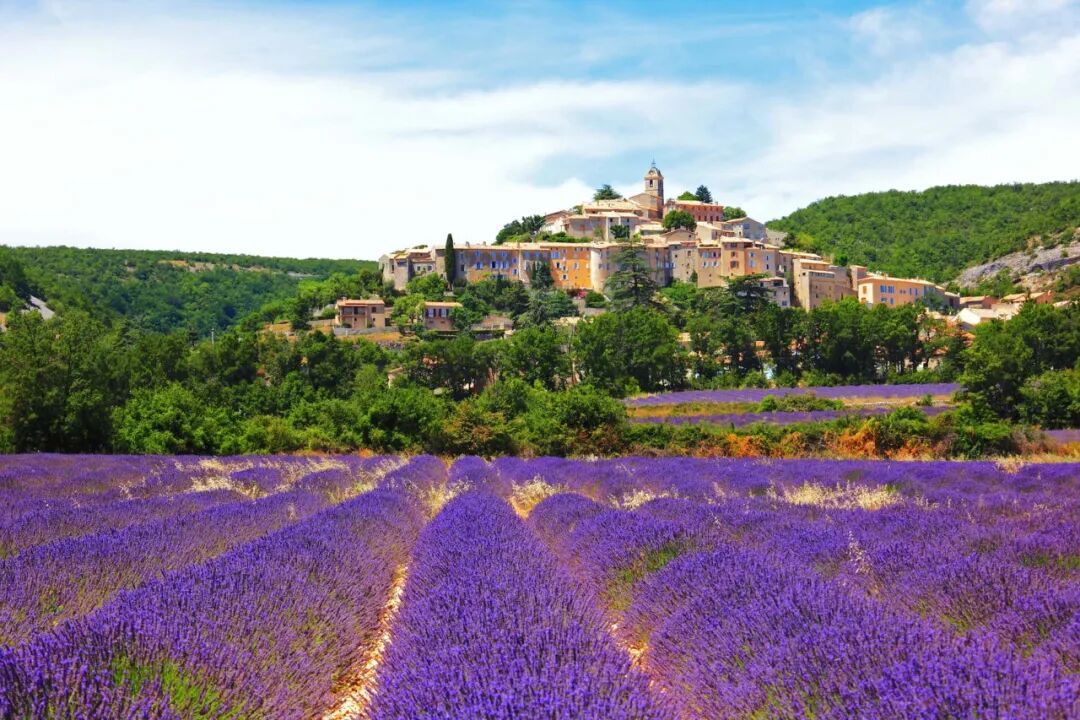
Near GoldOutside Senanc Monastery, the lavender fields planted by monks are known as one of the three most charming flower fields in Provence.
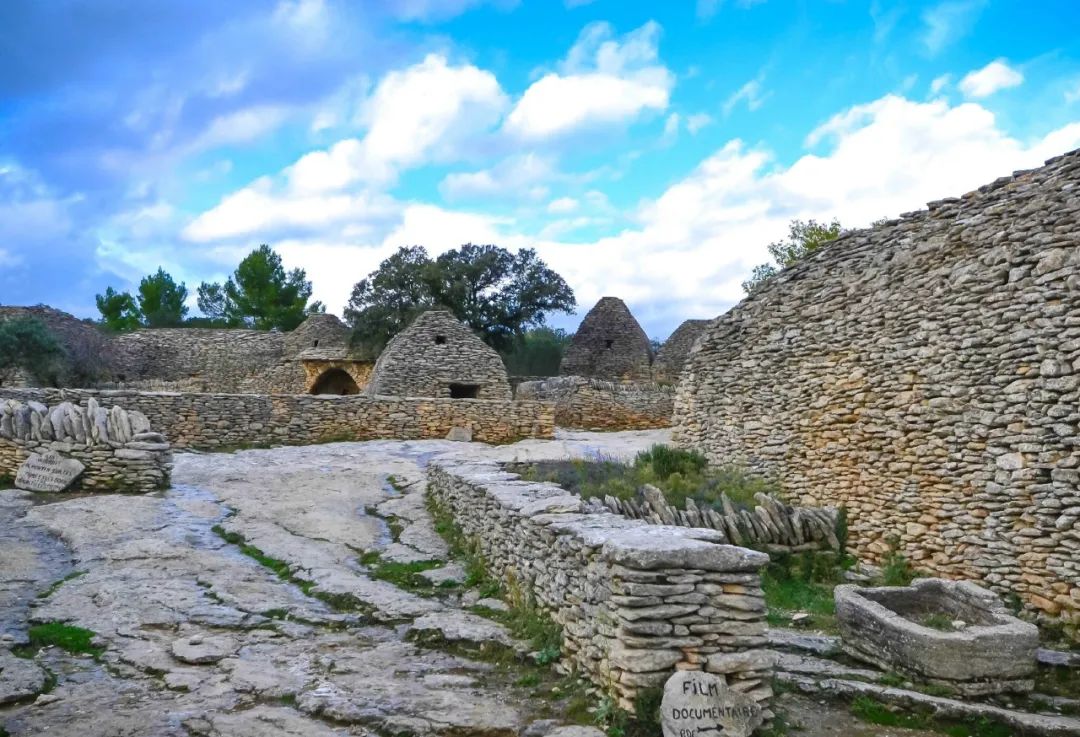
Visit the nearby village of Bori, an ancient settlement of seven groups of stone houses that dates back to the Bronze Age and was listed as a historic monument in 1977.
In the list of “the most beautiful towns in the world” selected by CNNGo, Gold won the top spot for its unparalleled historical atmosphere and artistic sentiment.
NO.04
Castle Combe, Wiltshire, England
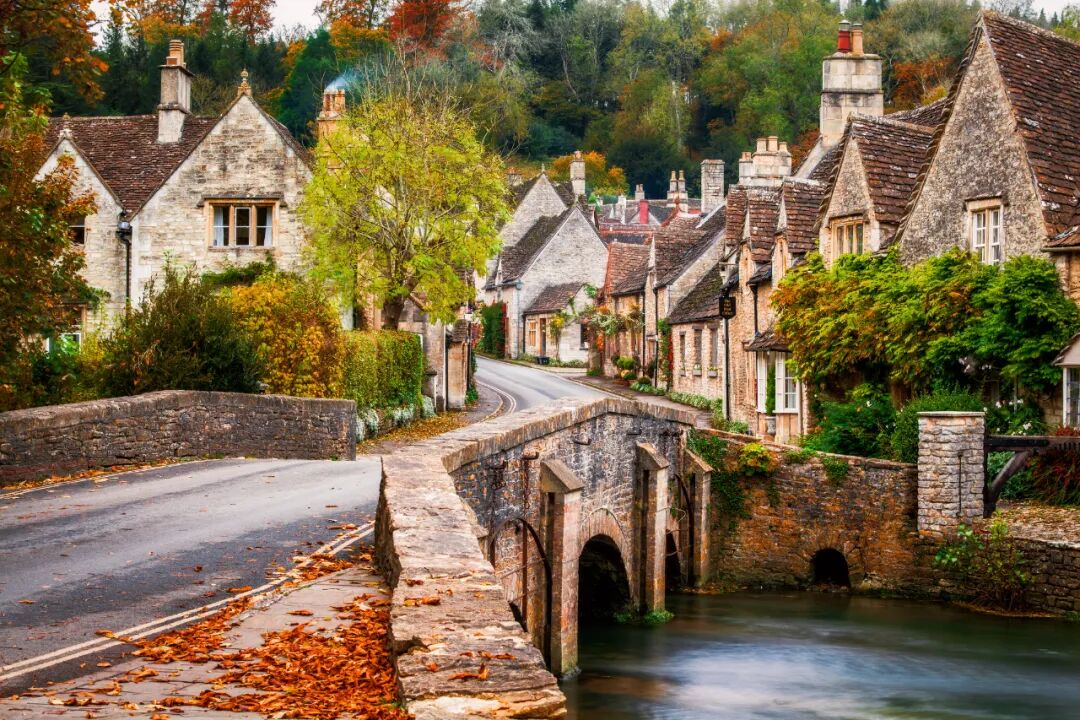
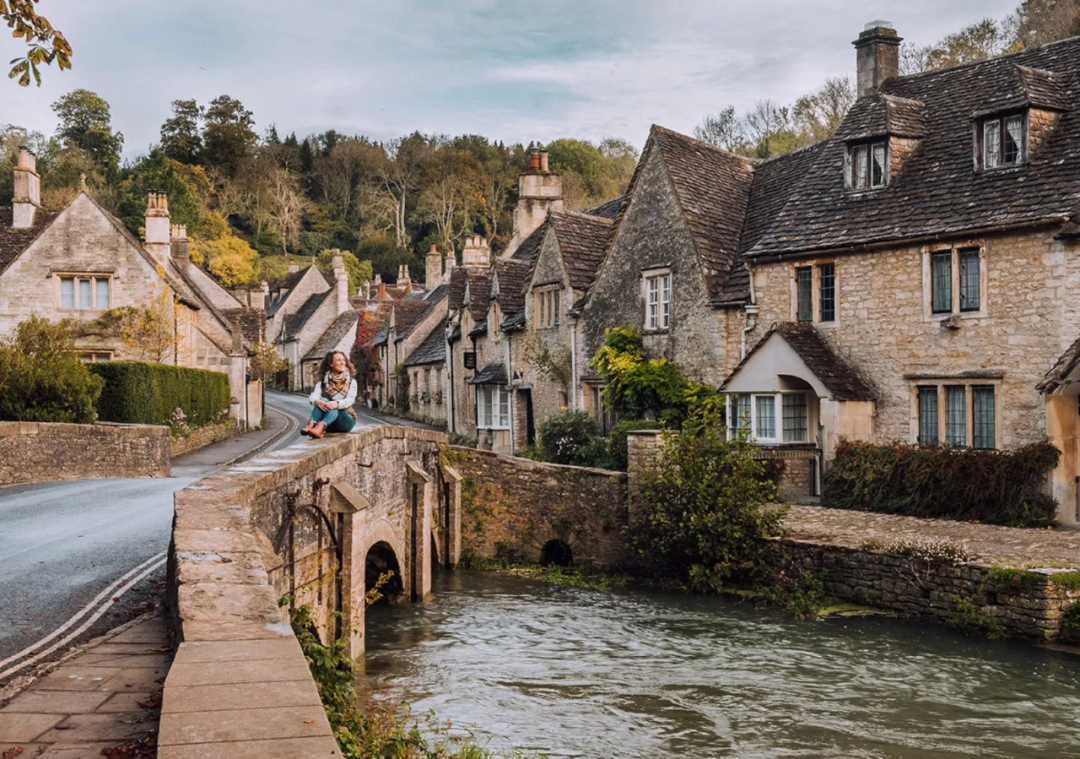
Combe Castle, located in Wiltshire, England, is famous for its ancient weaver’s hut, gurgling streams and lush greenery. It is often known as the oldest and most beautiful village in England.
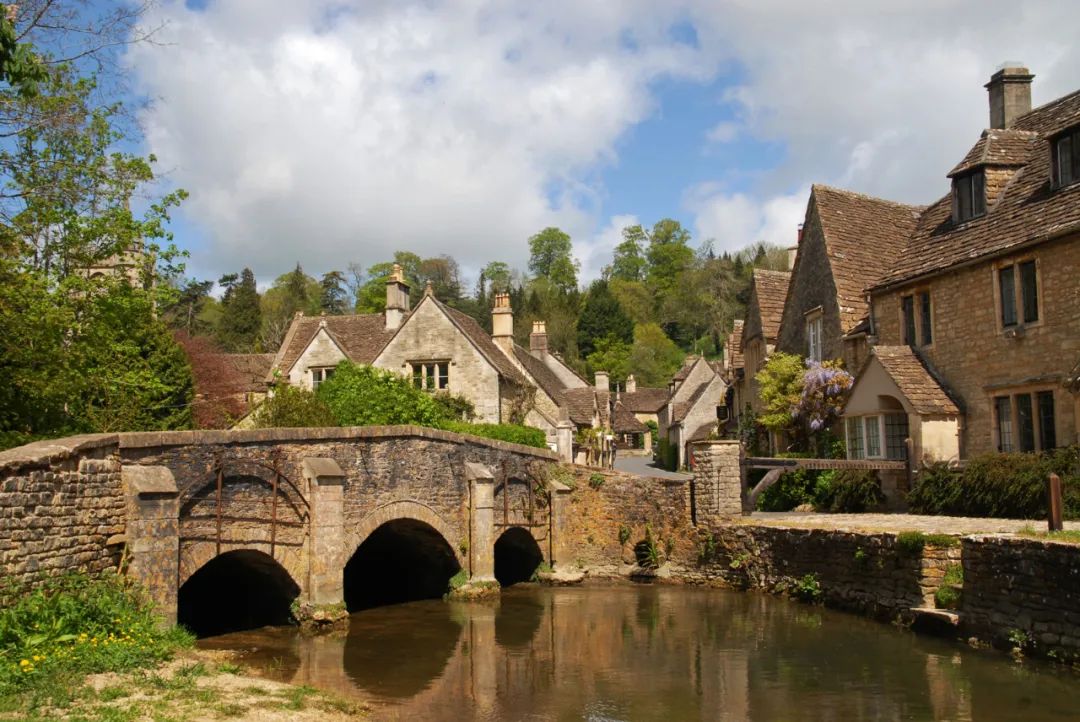
The whole village has retained its medieval style intact. Strolling along the curved stone road, lined with traditional Cotswold stone houses, gray tiles and honey-colored walls exude a charming luster of age.
The movie Stardust and Spielberg’s War Horse were both shot here.
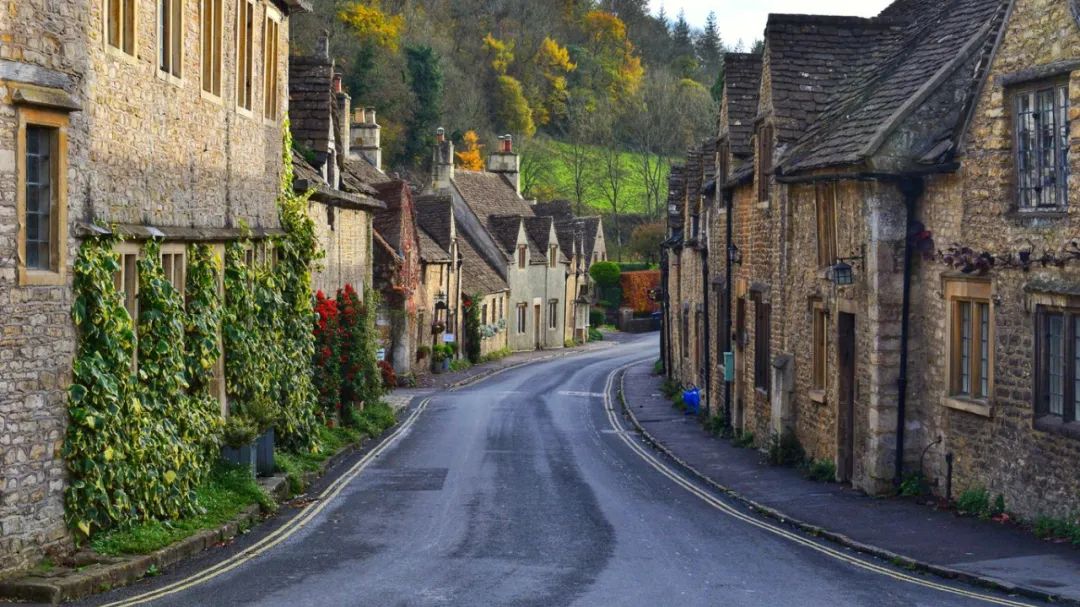
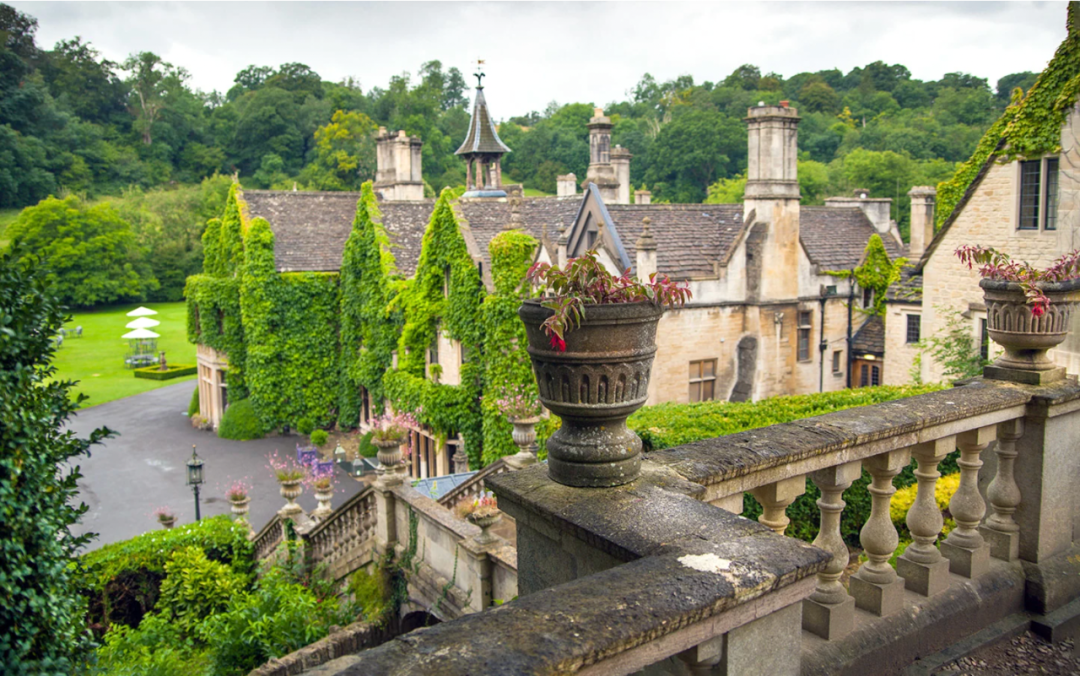
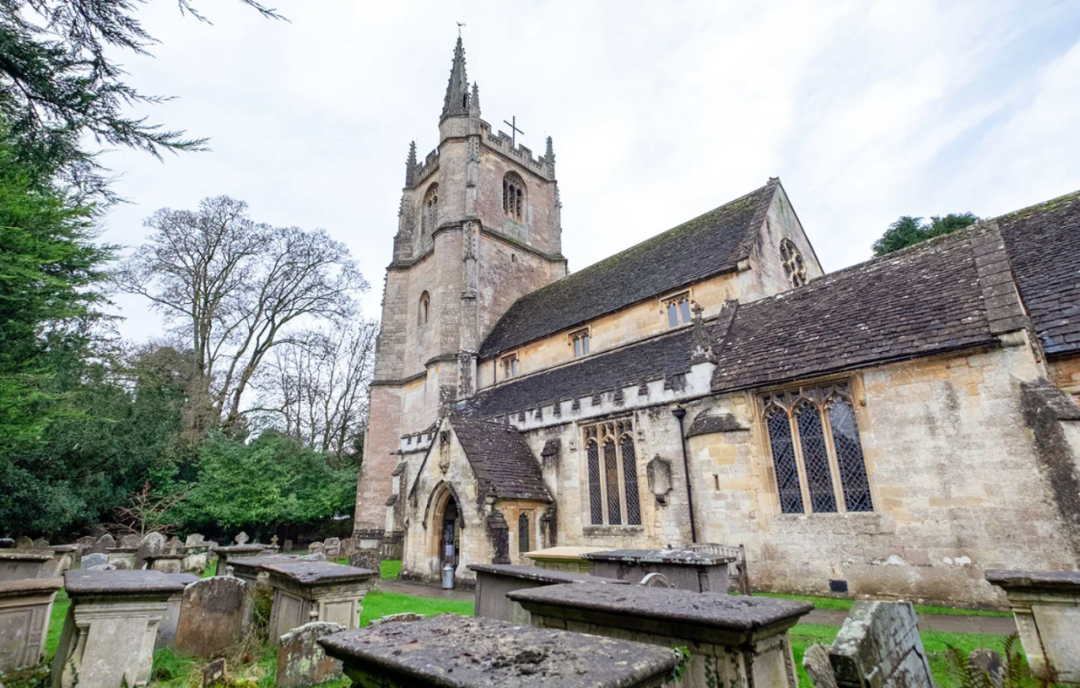
St. Andrew’s Church, built in the 13 th century, has an exquisite fan-shaped dome and the medieval Castlecombe Bell, which carries a heavy faith and history.
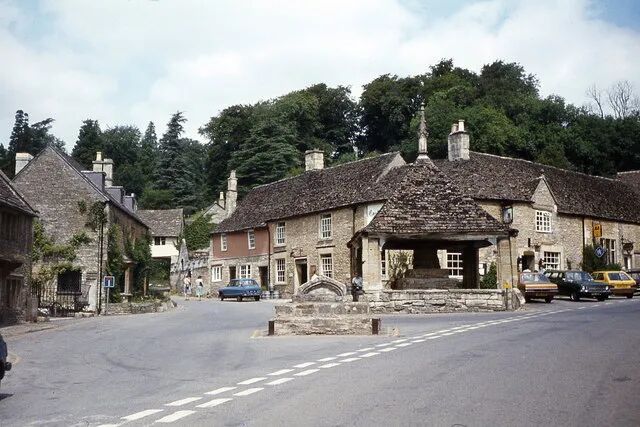
As a witness to the prosperous textile industry in the past, the Markt Cross, which dates back to the 14 th century, is still the center of the village today, bathed in the glory of the past.
Although the Norman Dynasty has gone far away, the echo and aftertaste of its history still spread leisurely in this quiet land.
NO.05
Ogimachi, Shirakawa-Go, Japan
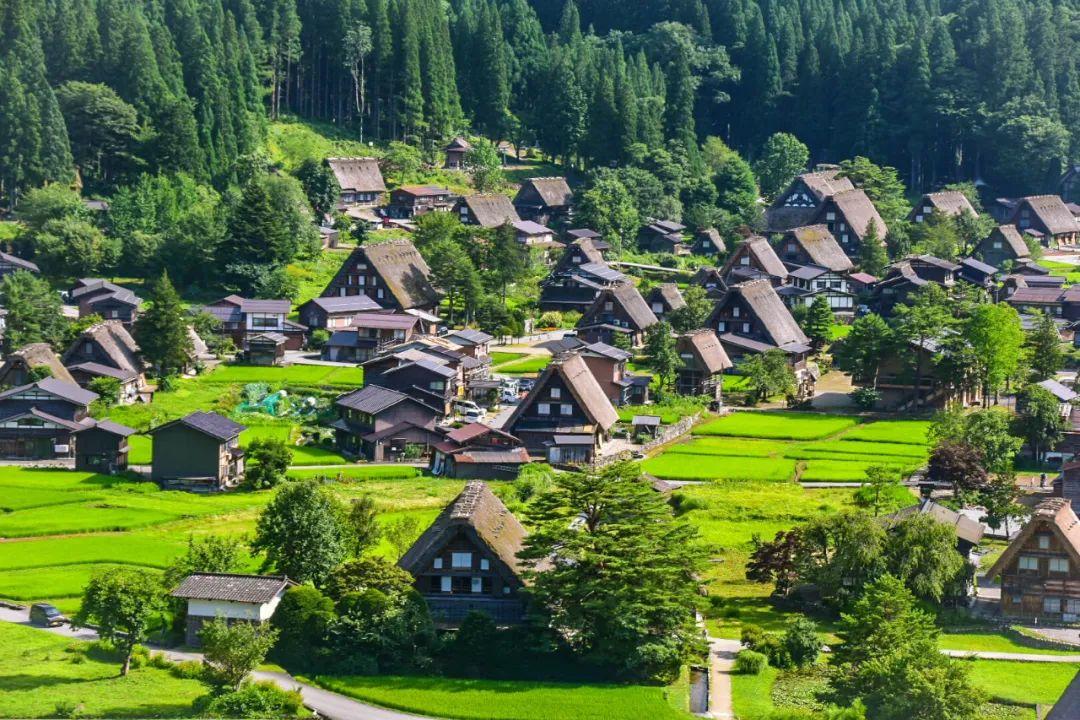
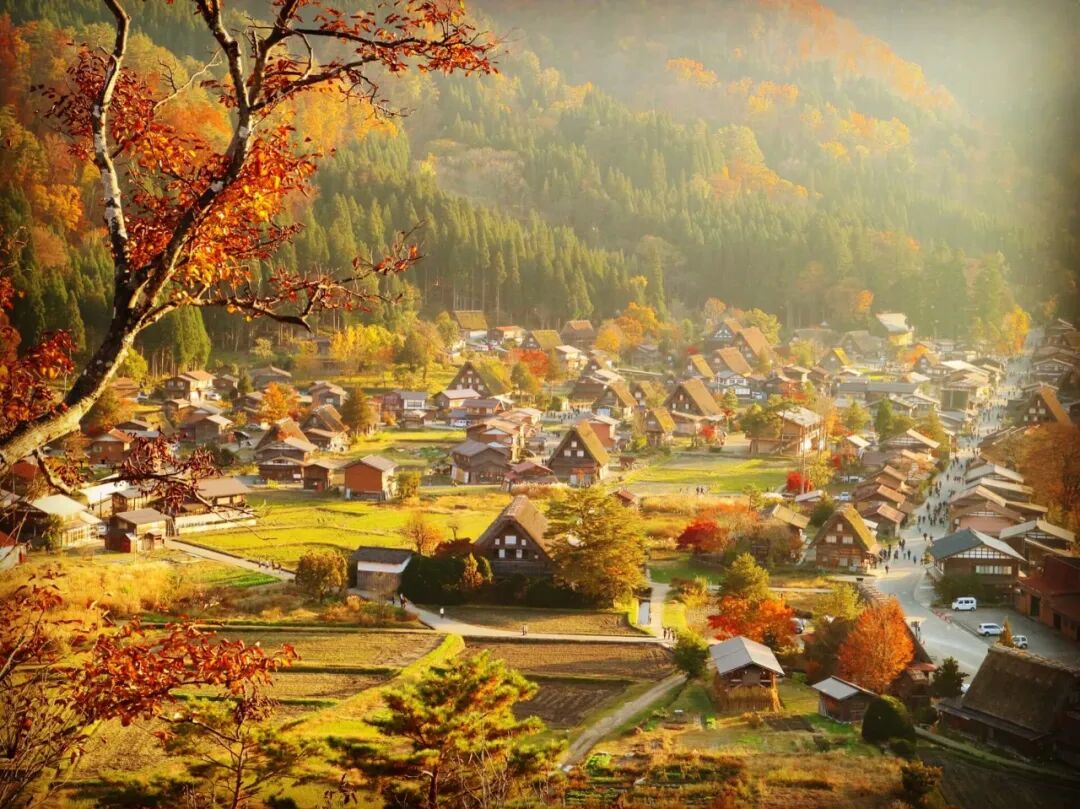
About 350 kilometers away from Tokyo, in the deep mountains, lies the world-famous Shirakawa Township. Here, there is a complex of “Gassho Made” buildings listed as a World Heritage Site by UNESCO.
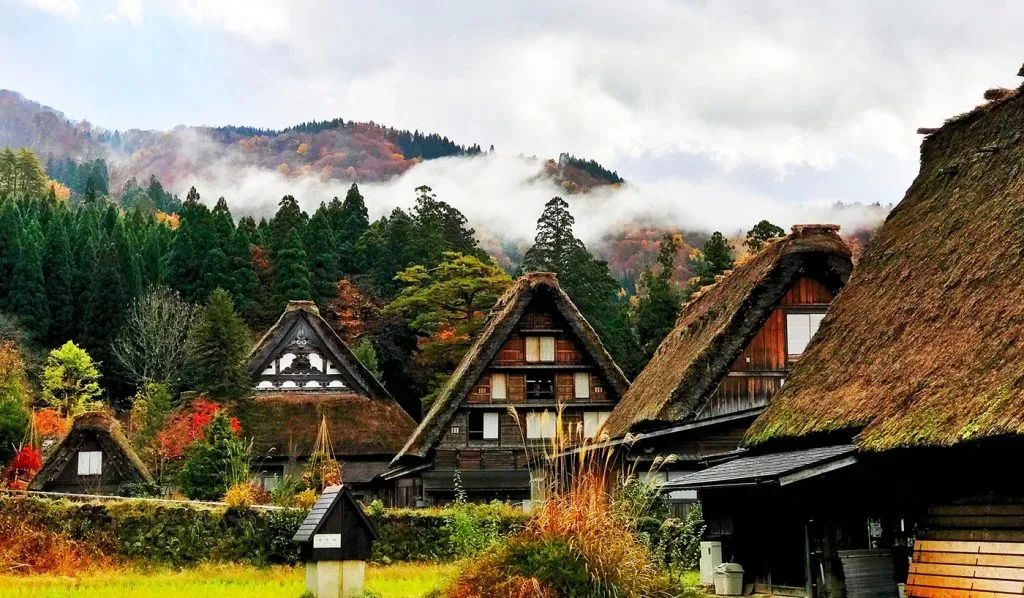
This traditional building adapted to local conditions is called “Gashuangzao”, which is named after its roof shape resembles hands folded. The steep roof design is designed to allow the heavy snow in winter to slide down naturally.
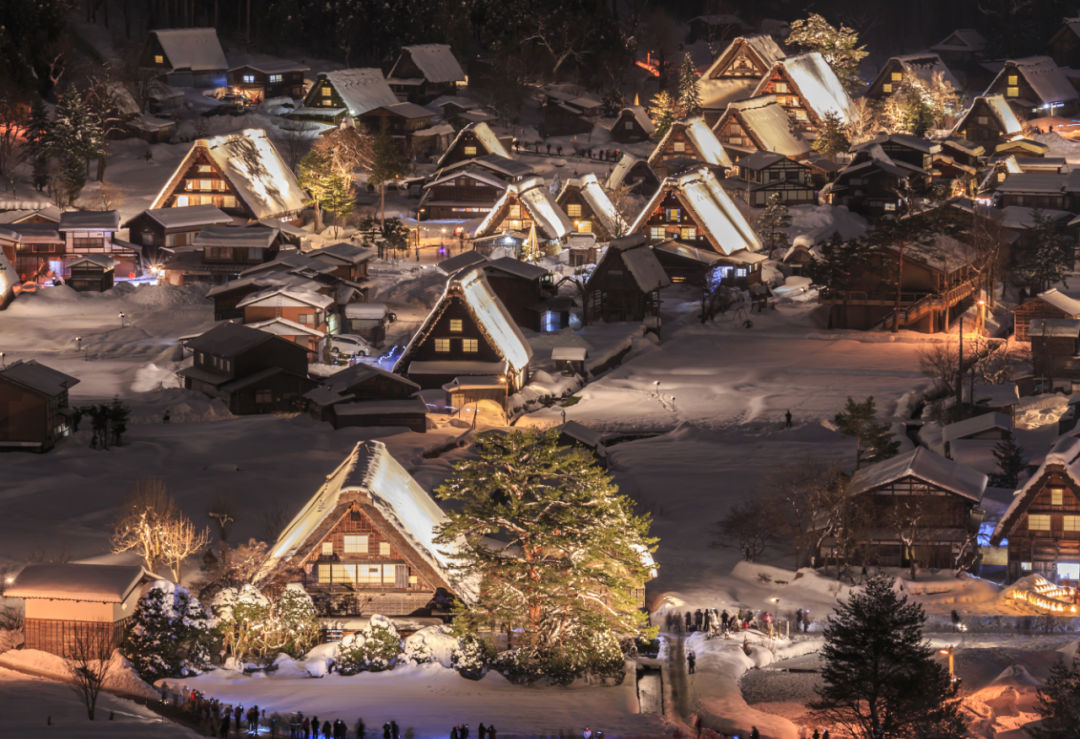
Each house is a masterpiece of woodworking skill, completely without nails, closely connected by only the precise mortise and tenon structure, strong and seamless. In earthquake-prone Japan, they have stood tall since the 19 th century.
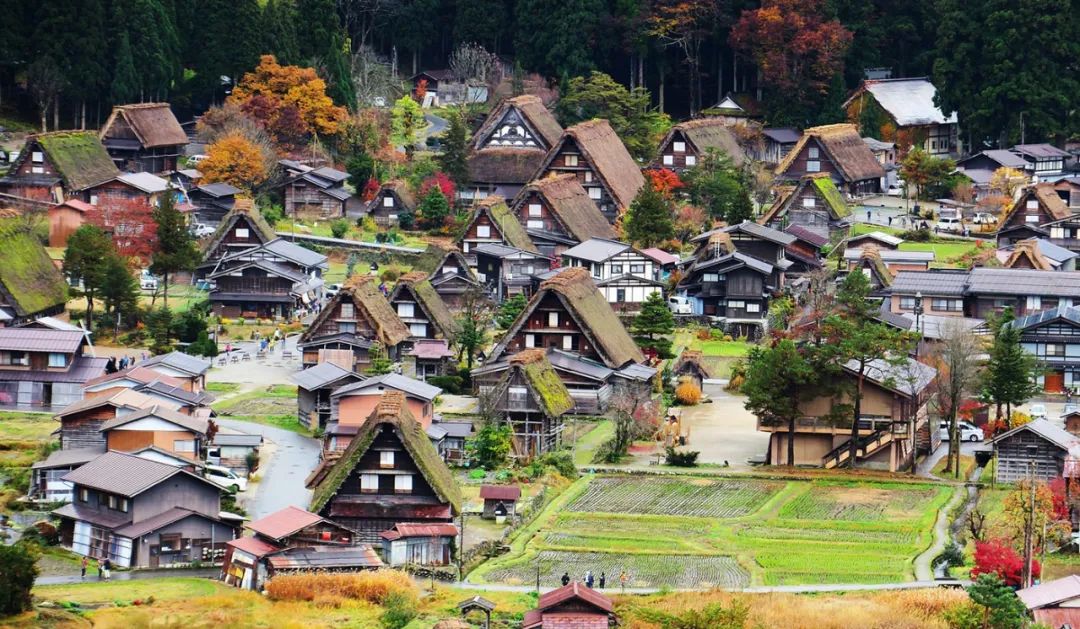
Today, some Gassho houses have been converted into museums, homestays or handicraft shops. Take a shuttle bus or hike onto the Seiyama Observation Deck, overlooking the picturesque panoramic view of the entire village.
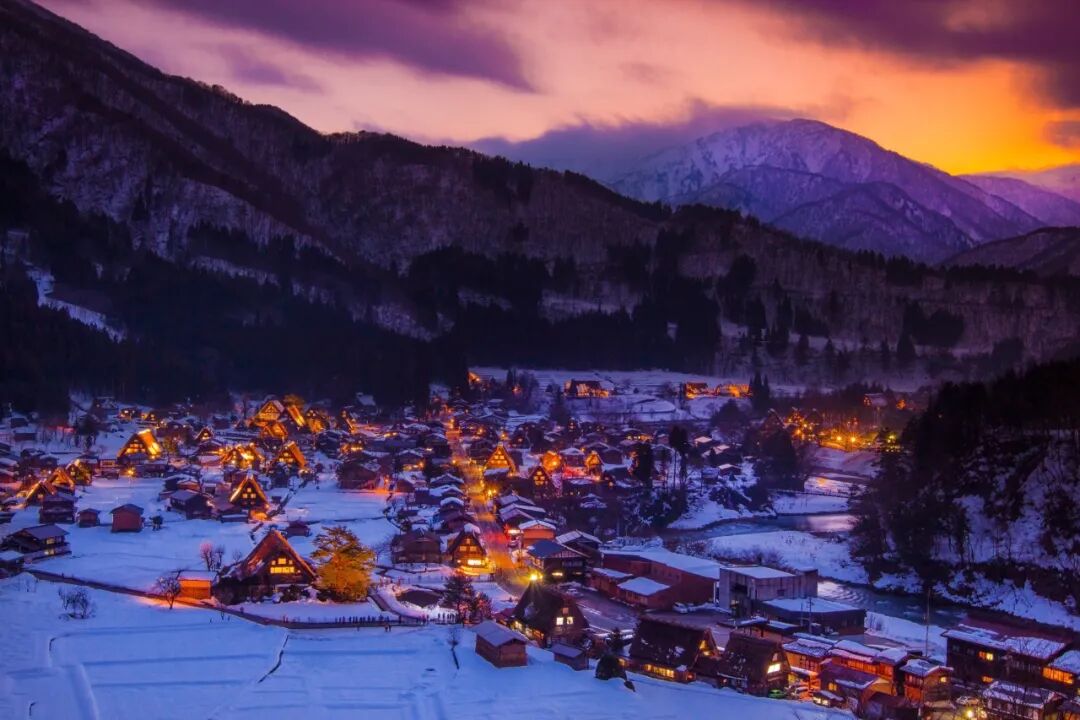
The four seasons turn to Shirakawa Township and put on different costumes. Whether it’s cherry blossoms in midsummer, red leaves in late autumn, or silent winter covered in silver, the scenery here always makes people linger.
NO.06
Giethoorn, Netherlands
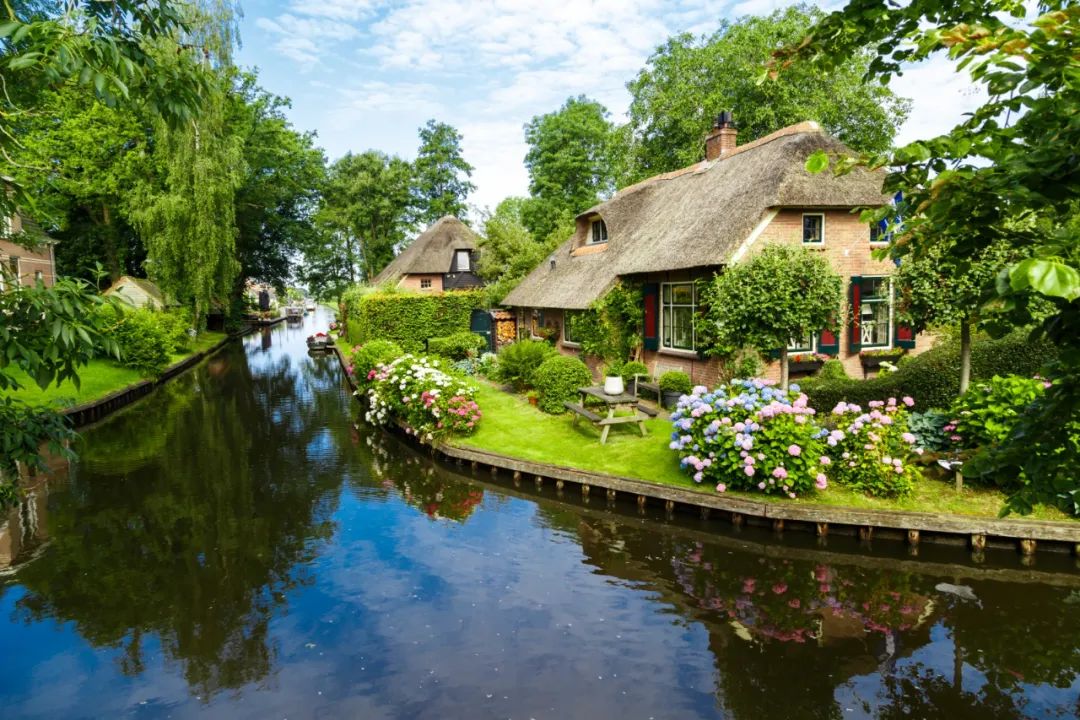
Giethoorn enjoys the romantic title of “Dutch Venice” for its network of criss-crossing canals.
The village name was first seen in 1225. Due to the low-lying terrain and swamps, villagers dug waterways to dig peat, gradually forming today’s dense river network.
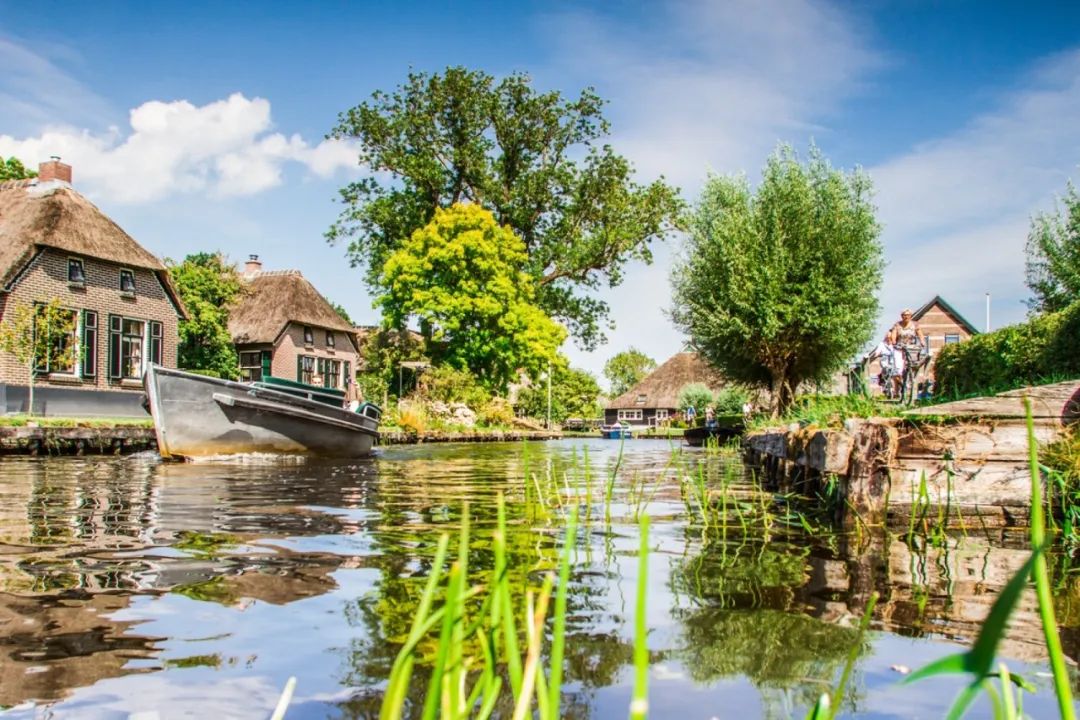
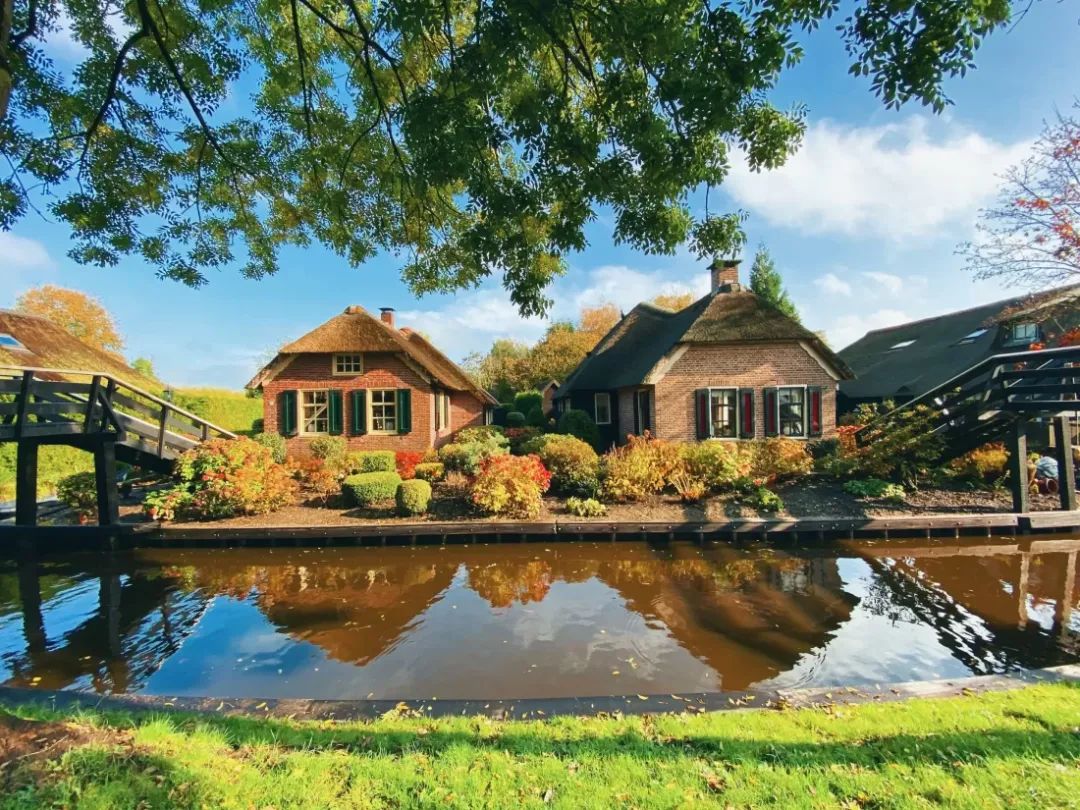
Nowadays, those farmhouses with ancient reed roofs, like witnesses of time, stand quietly on islands connected by 176 small bridges, like a fairy tale kingdom hidden in the world.
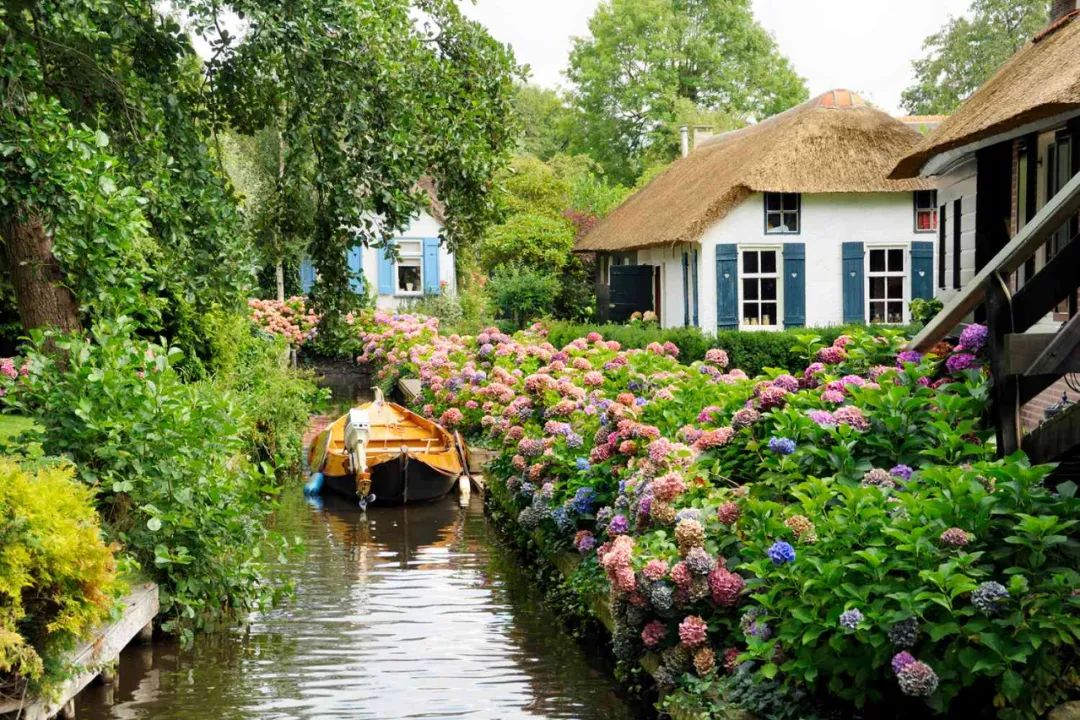
The core transportation of the village is waterways. Take an electric boat and sail slowly along the winding river. The small bridges and flowing water on both sides of the river, full of green and quaint buildings set off each other.
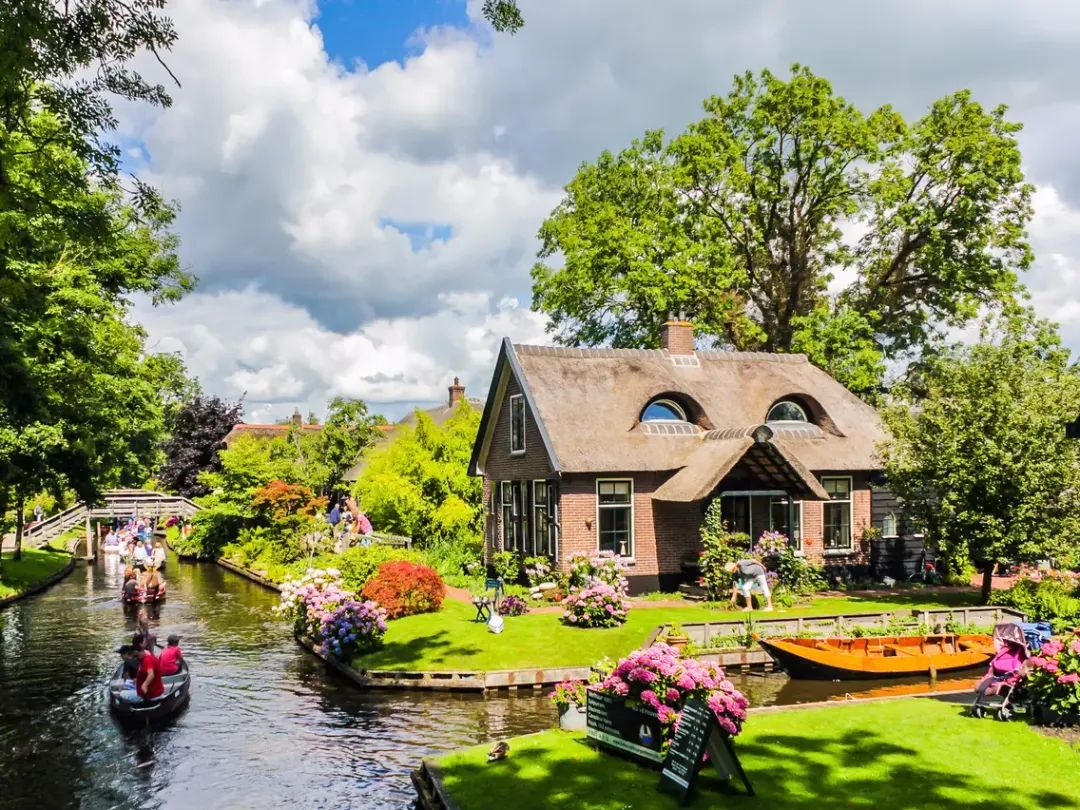
The charm of Giethoorn Village goes beyond its picturesque scenery. The culture, history and leisurely rural atmosphere handed down from generation to generation here are even more fascinating.
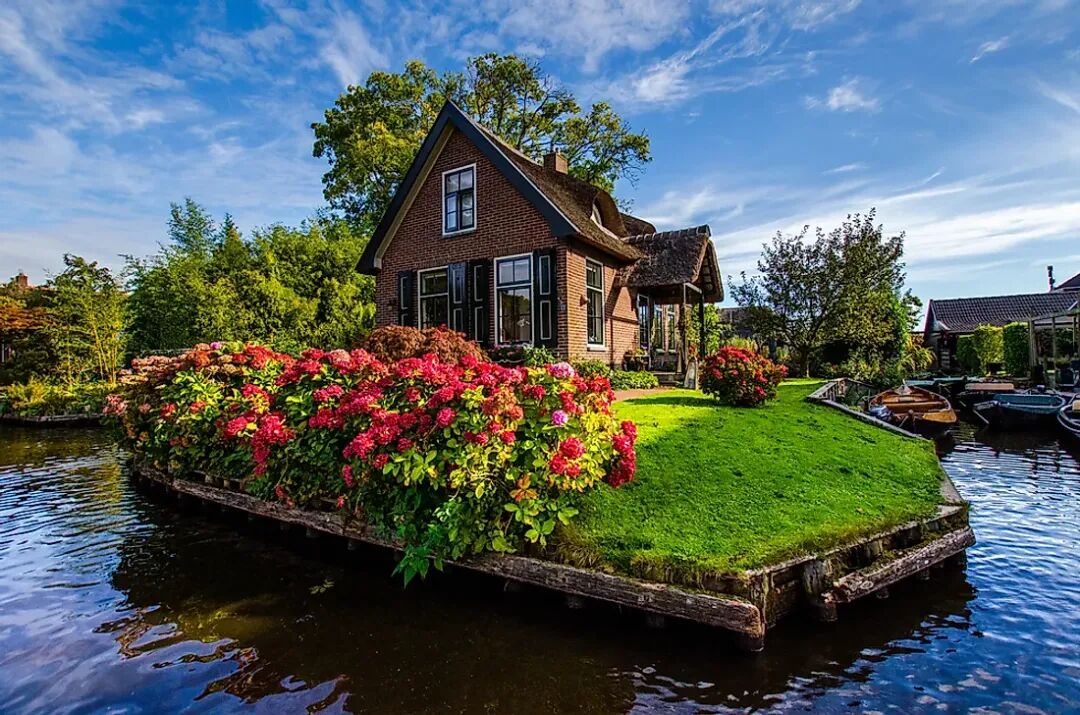
In this “one of the most beautiful towns in the world”, you can experience a quiet lifestyle, far away from the hustle and bustle of the city, as if time is flowing slowly here, which is unforgettable.
NO.07
Sighi șoara, Romania
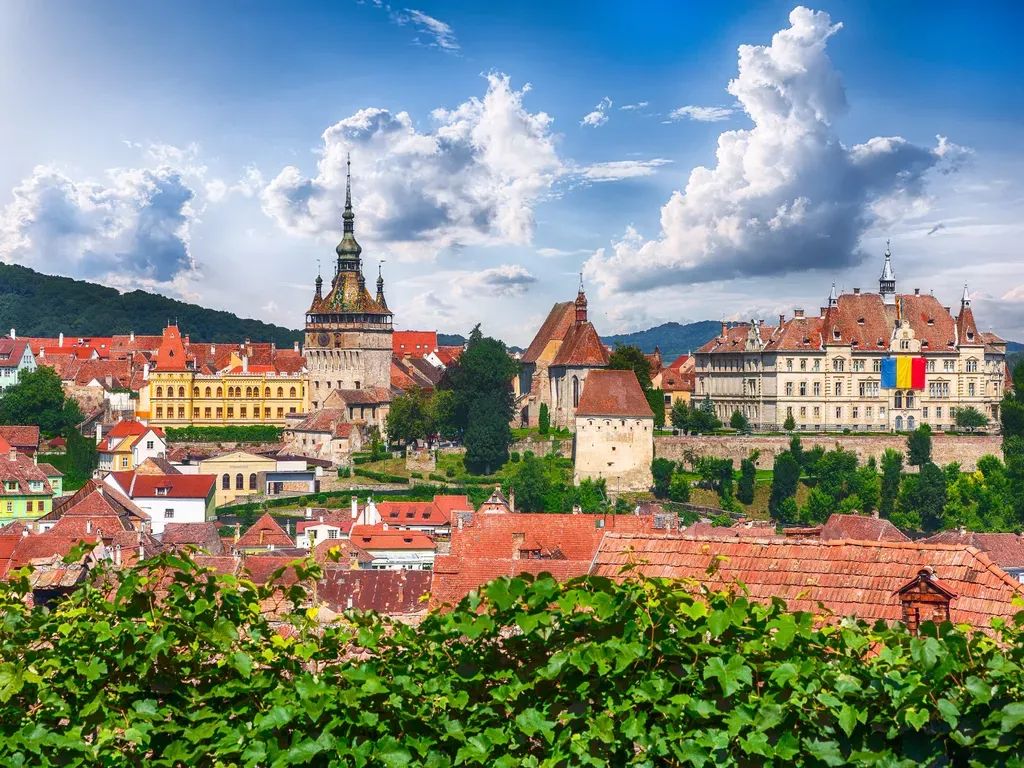
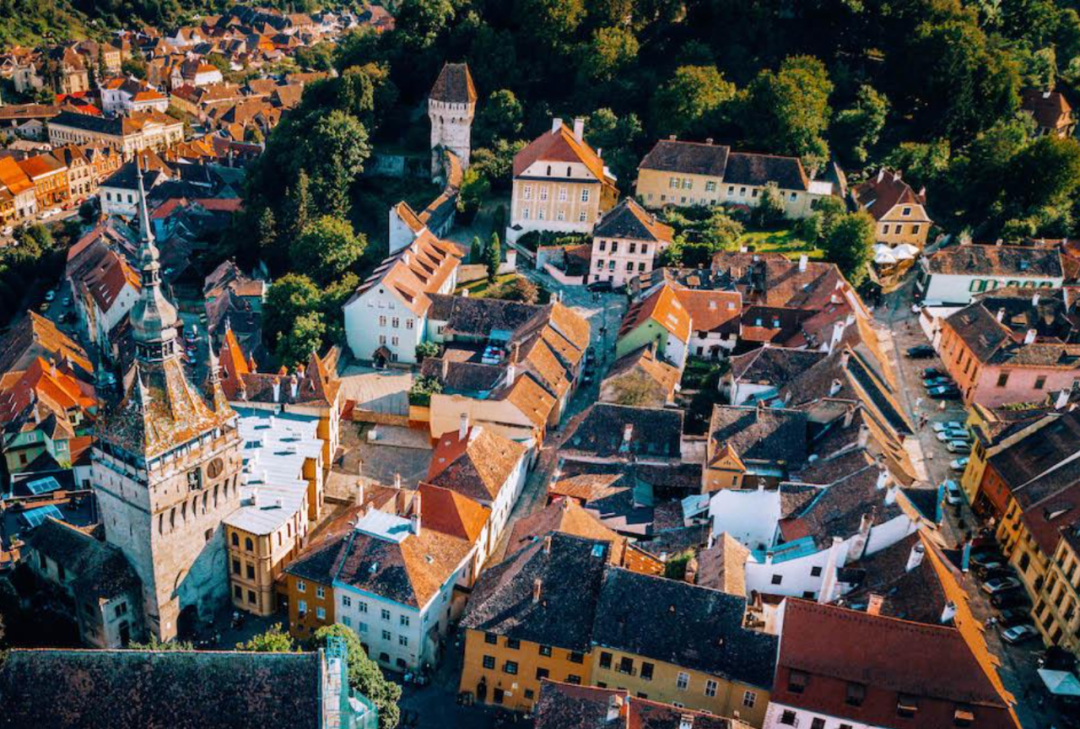
The little-known Sigisoara is one of seven fortresses built in the 12 th century by German colonists-Transylvanian Saxons in Transsylvania.
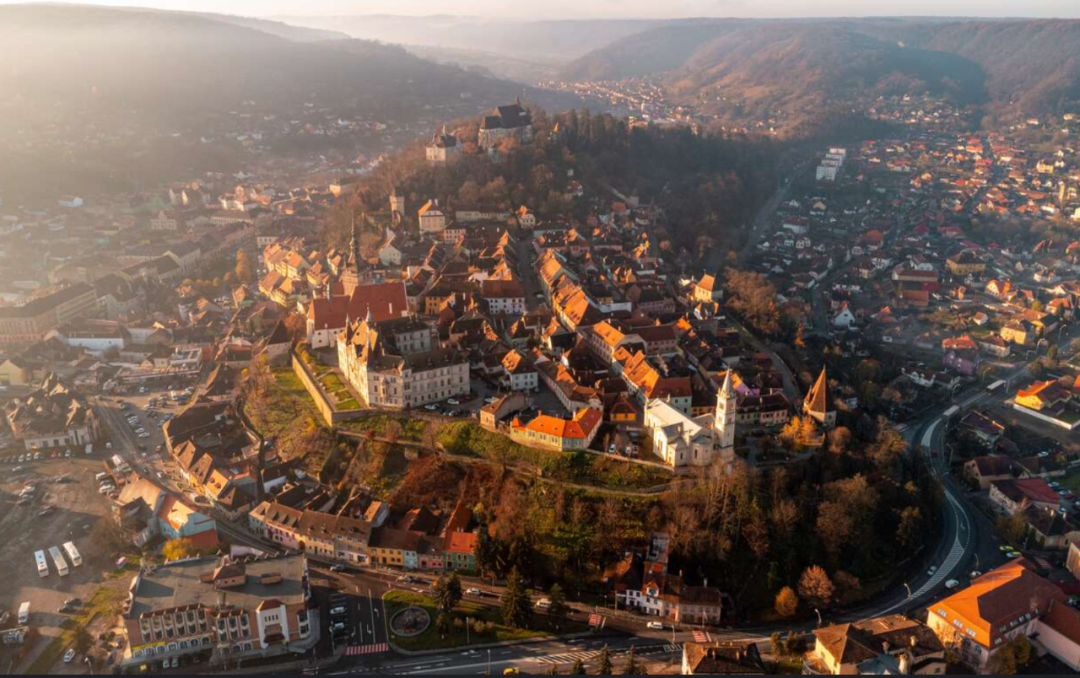
One of the best preserved medieval fortresses in Europe and the only medieval fortress still inhabited in southeast Europe, it was added to the World Heritage List in 1999.
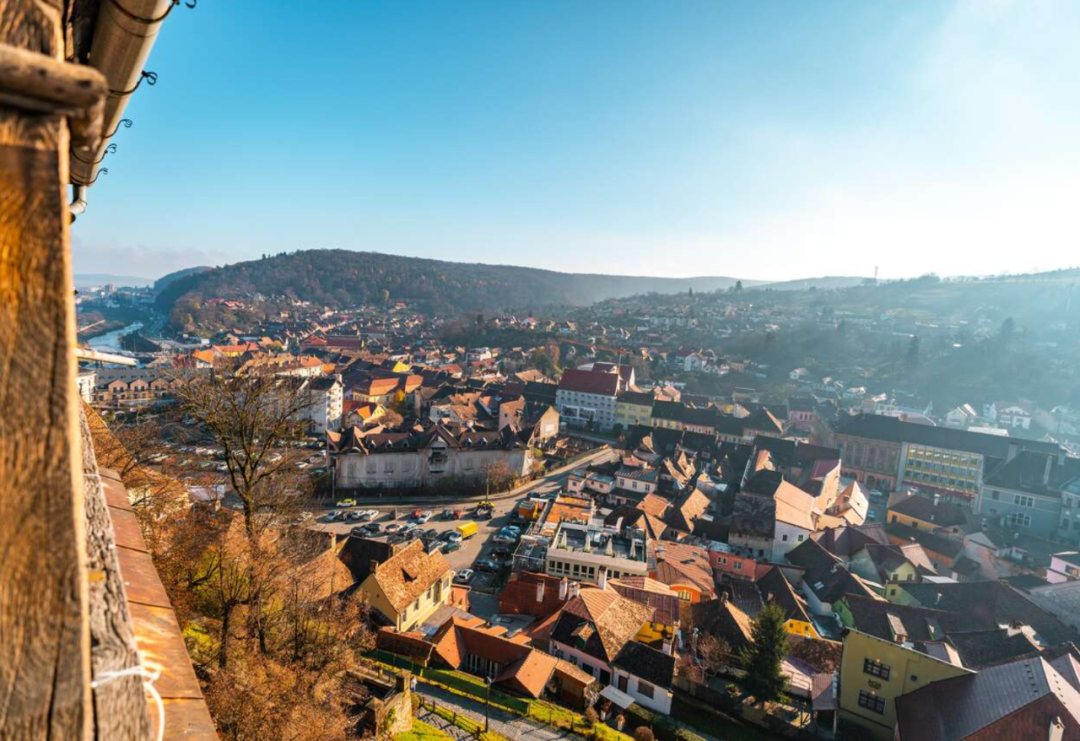
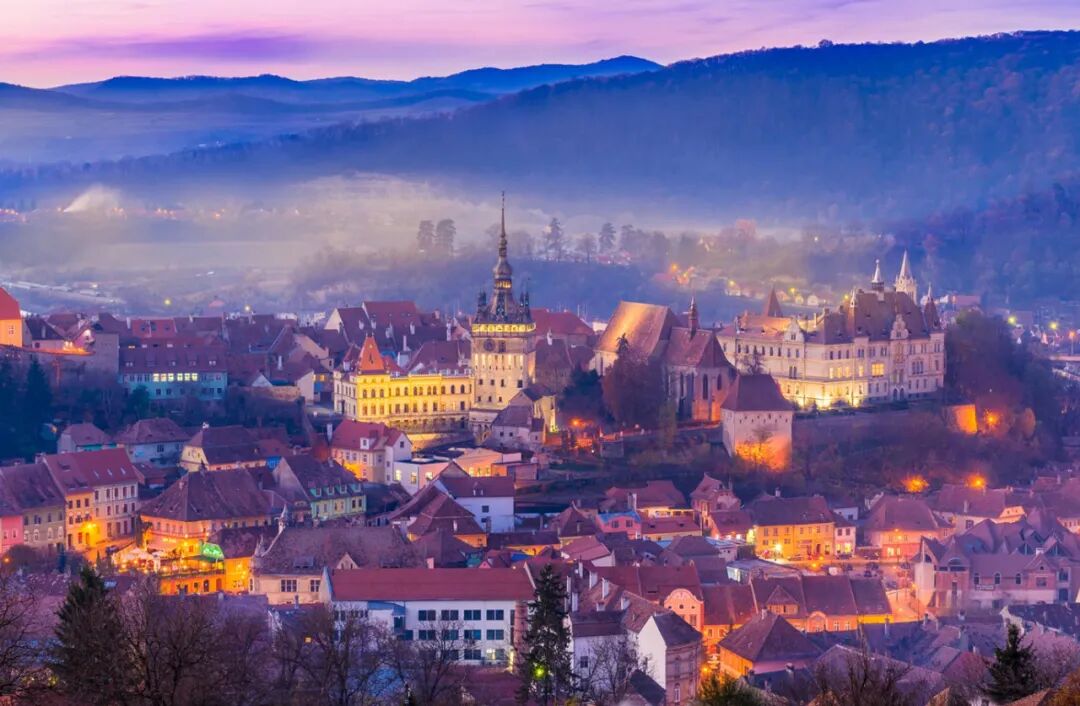
The colorful buildings, cobblestone streets, Gothic hilltop churches, Dominic monastery churches, lively squares and intact fortifications in the historical city have jointly created the reputation of “the Pearl of Outer Silvania”.
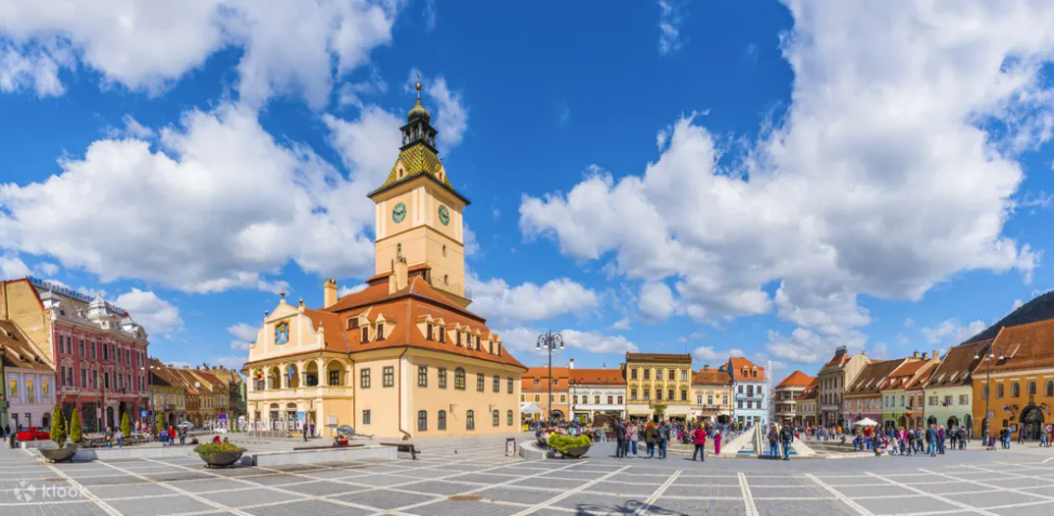
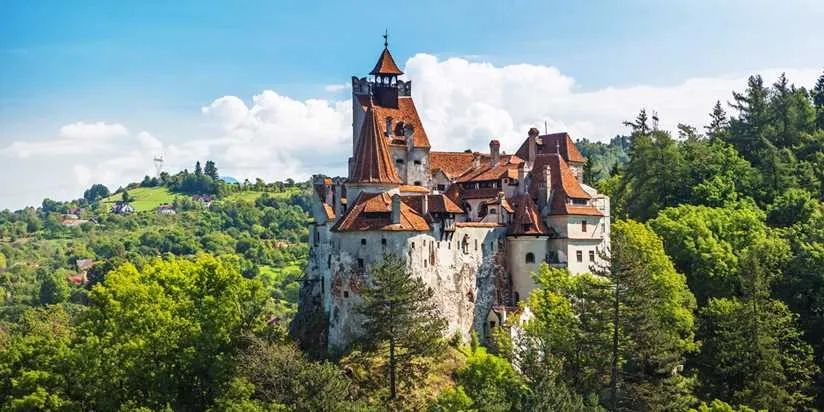
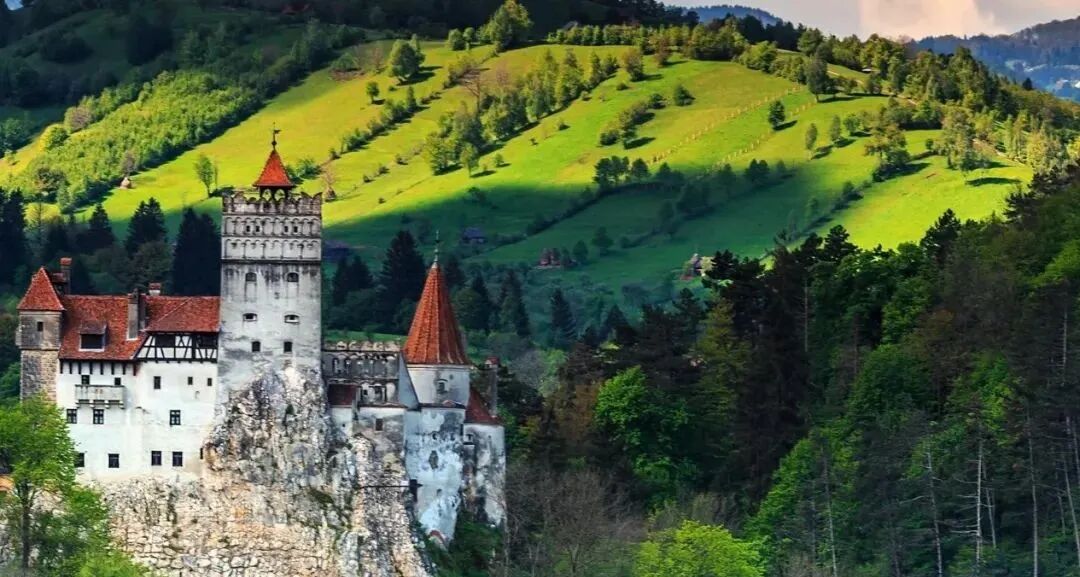
This is also the birthplace of Vlad Tsepeš, the archetype of “Count Dracula”, the Grand Duke of Wallachia. This ruler, famous for his brutal punishment, later became the inspiration source of vampire legends, attracting countless tourists to explore the mysterious castle.
As the home of German colonists, Sigishoara combines diverse European architectural styles and cultural traditions. Strolling through it is like taking a journey through time and returning to the mysterious atmosphere of medieval Europe.
NO.08
Rothenburg ob der Tauber, Germany
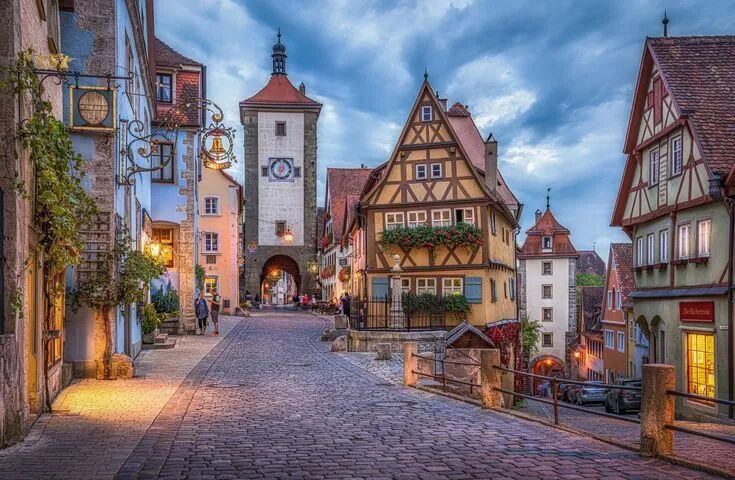
Rothenburg, meaning “the red castle on the Tauber”, is located on the Franconian Plateau in Bavaria, overlooking the Tauber.The famous “Romantic Road” and “Old Castle Road” meet here.
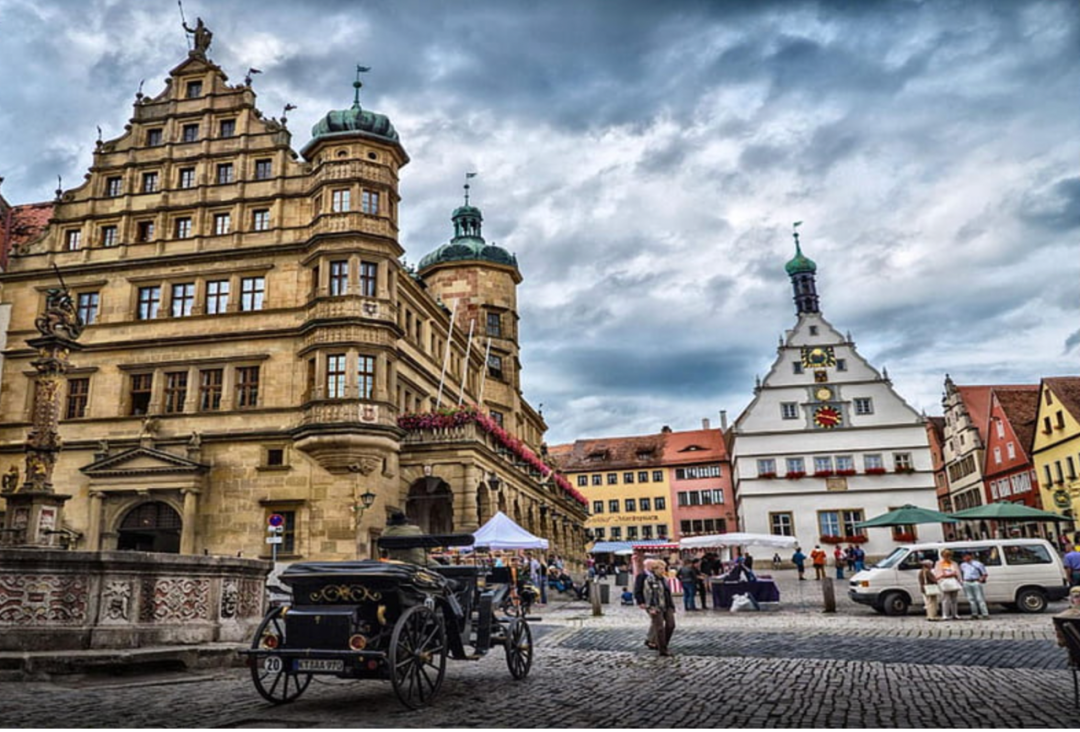
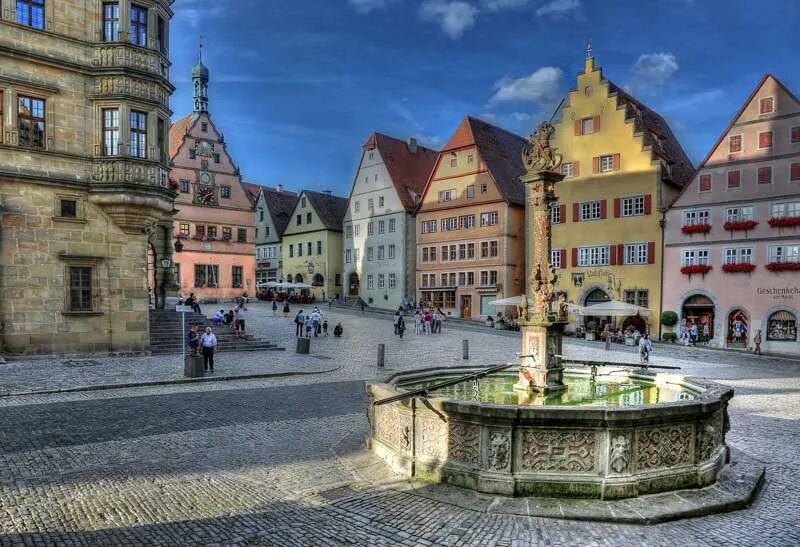
As the best preserved medieval town in Germany, Rothenburg, which is full of romantic atmosphere, is known as the “treasure of the Middle Ages”.
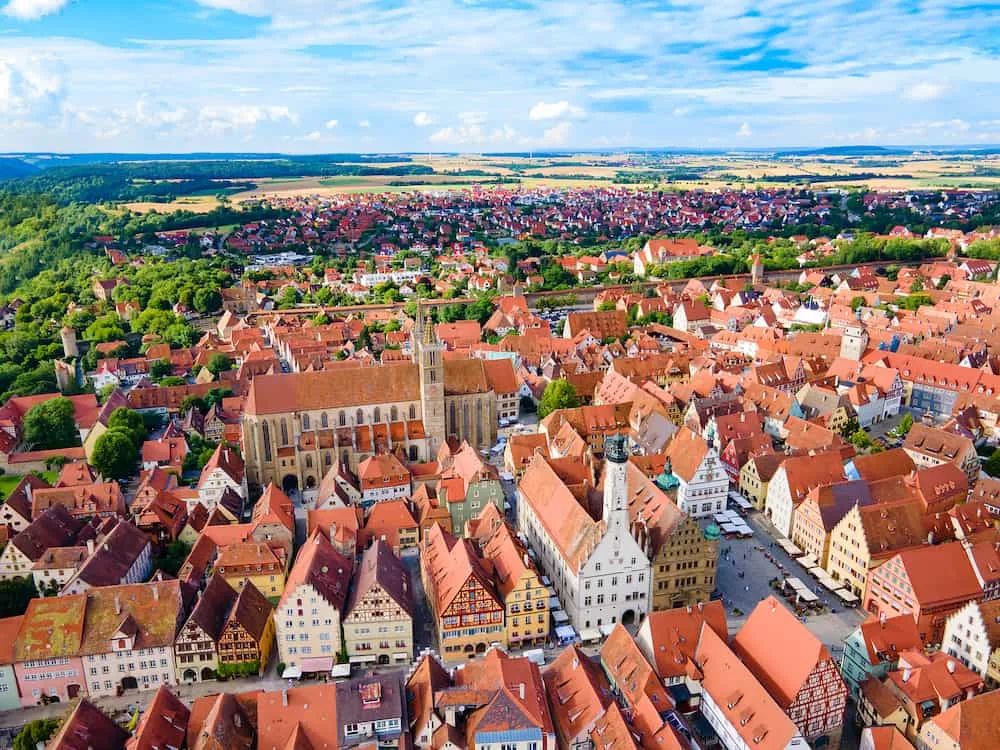
The history of South Rothenburg begins in the 9 th century and the city walls were built in the 12 th century. During the Holy Roman Empire, it flourished because of the prosperity of trade.
After years of bonfire, the colorful wooden tendon houses, antique stone roads and row upon row of half-timbered houses along the street in the city have been well preserved, outlining an intoxicating medieval picture.
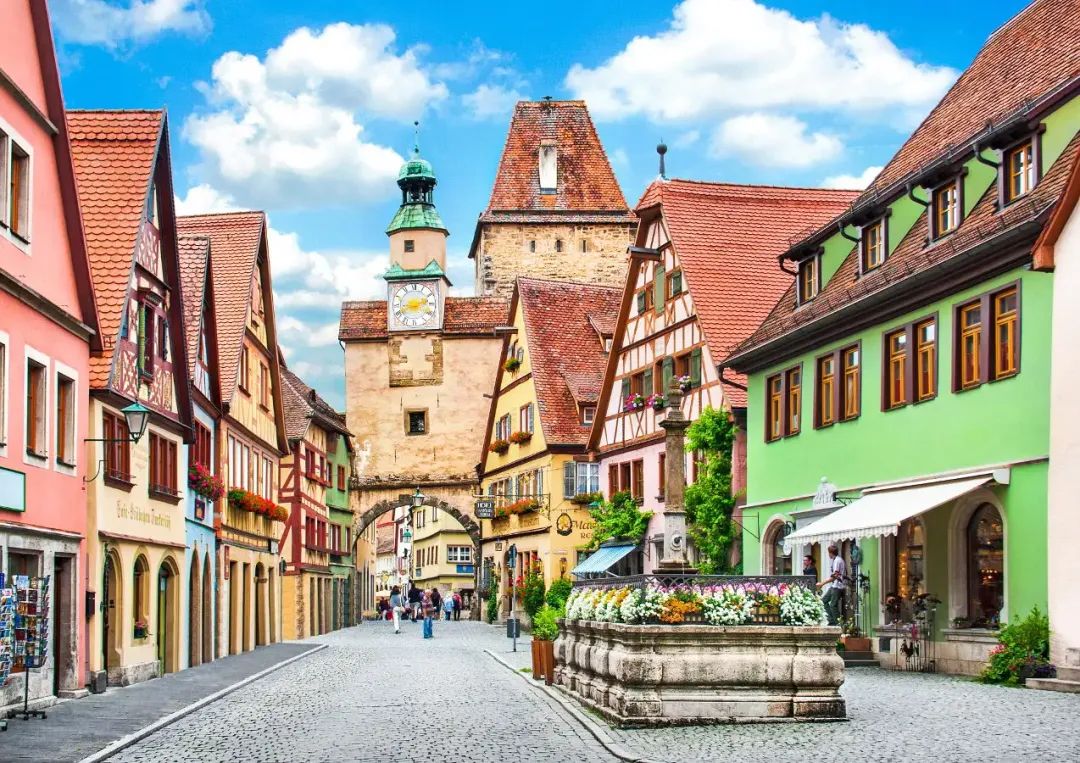
Around the City Hall Square in the heart of the ancient city, there are landmark buildings such as the City Hall, the City Council Drinking Hall, St. Jacob Church, the Castle Park and the famous St. George Dragon Slaying Fountain.
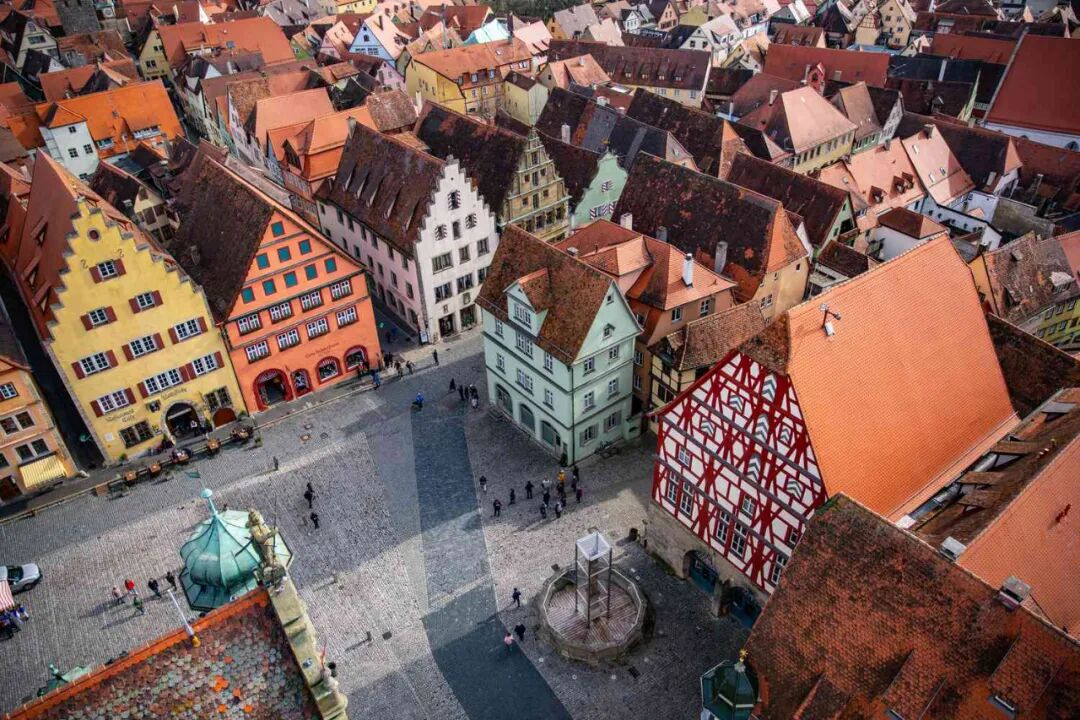
When the setting sun plates the quiet town with soft golden light, time seems to freeze at this moment, and the scene of thousands of years ago is in front of us. Exotic atmosphere and nostalgia are intertwined, which makes people intoxicated.
NO.09
Staithes, England
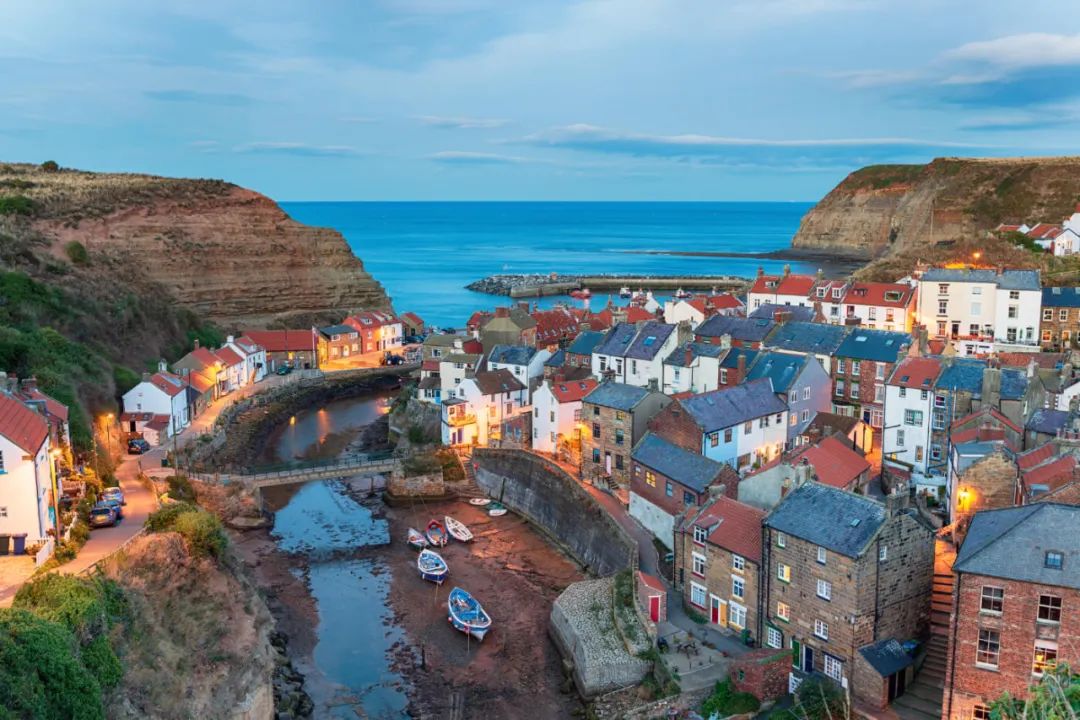
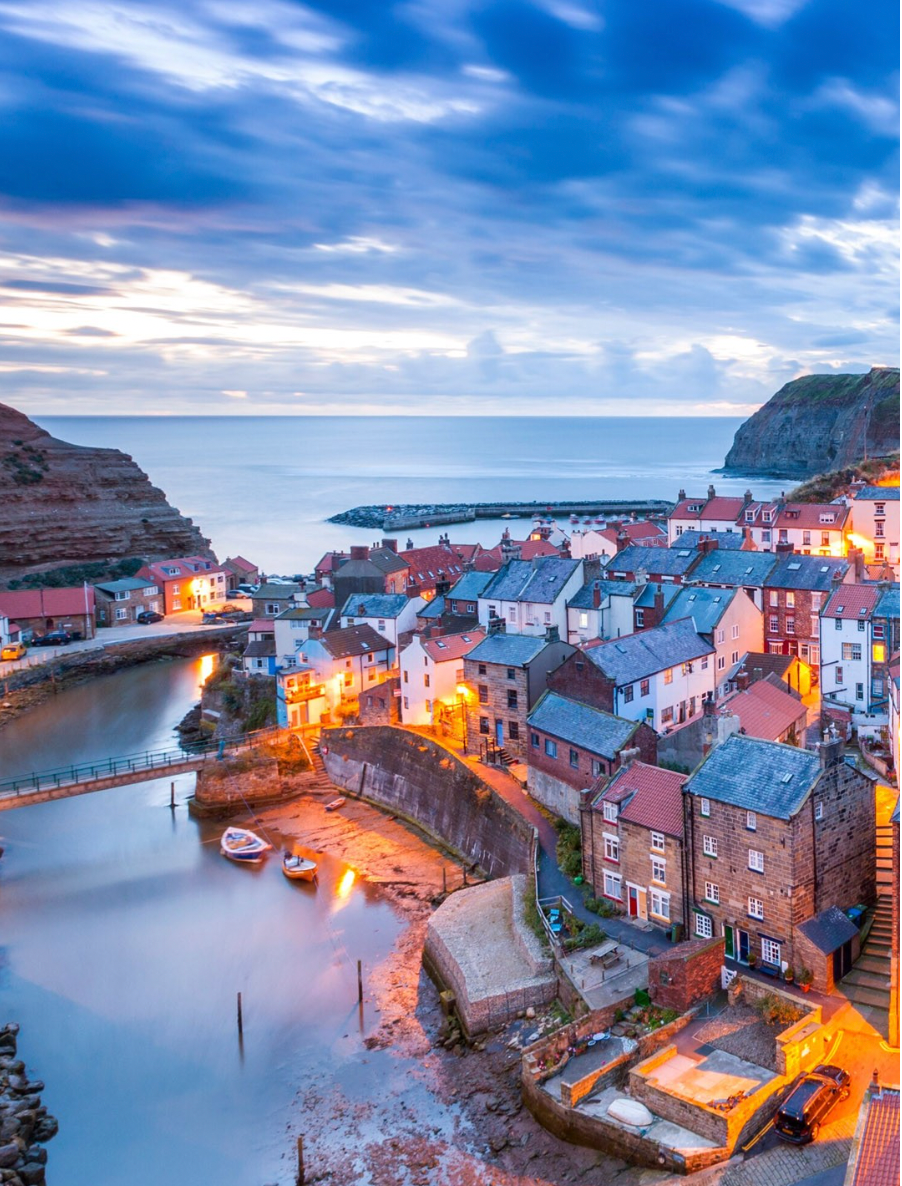
On the magnificent North Yorkshire coastline, picturesque Stathers nestled beside a natural harbour. Colorful huts cascaded on clay cliffs overlooking the vast North Sea.
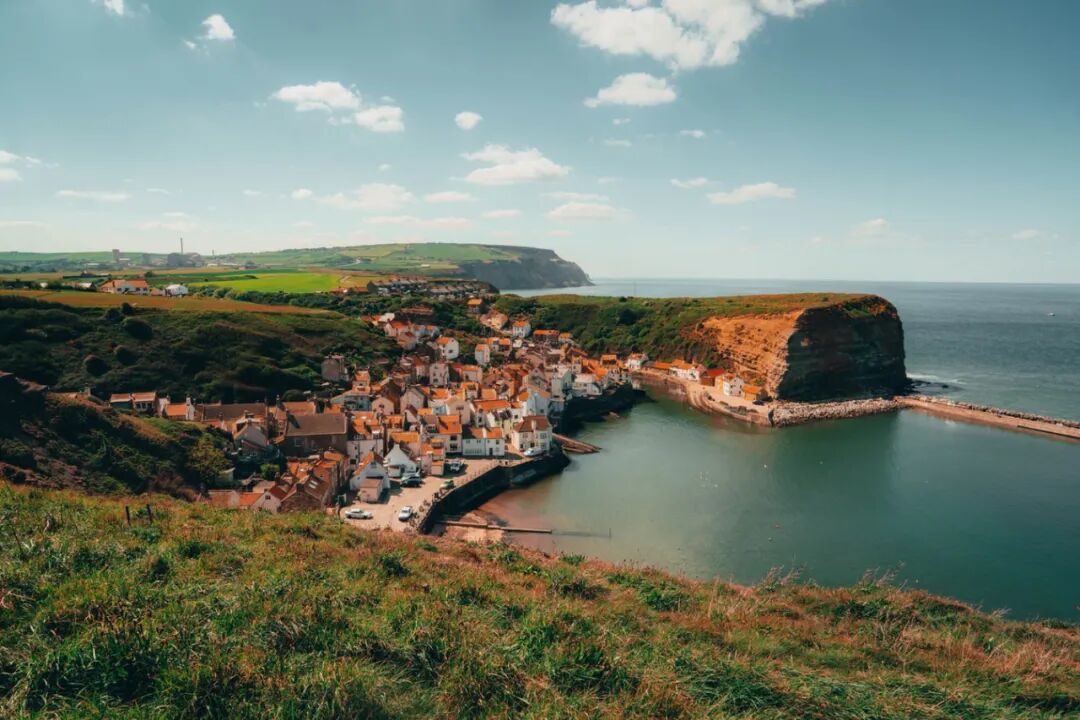
Stathers has a history of centuries and was once an important fishing port in the northeast of England. Ancient architecture and tradition continue here, and fishing skills are passed down from generation to generation.
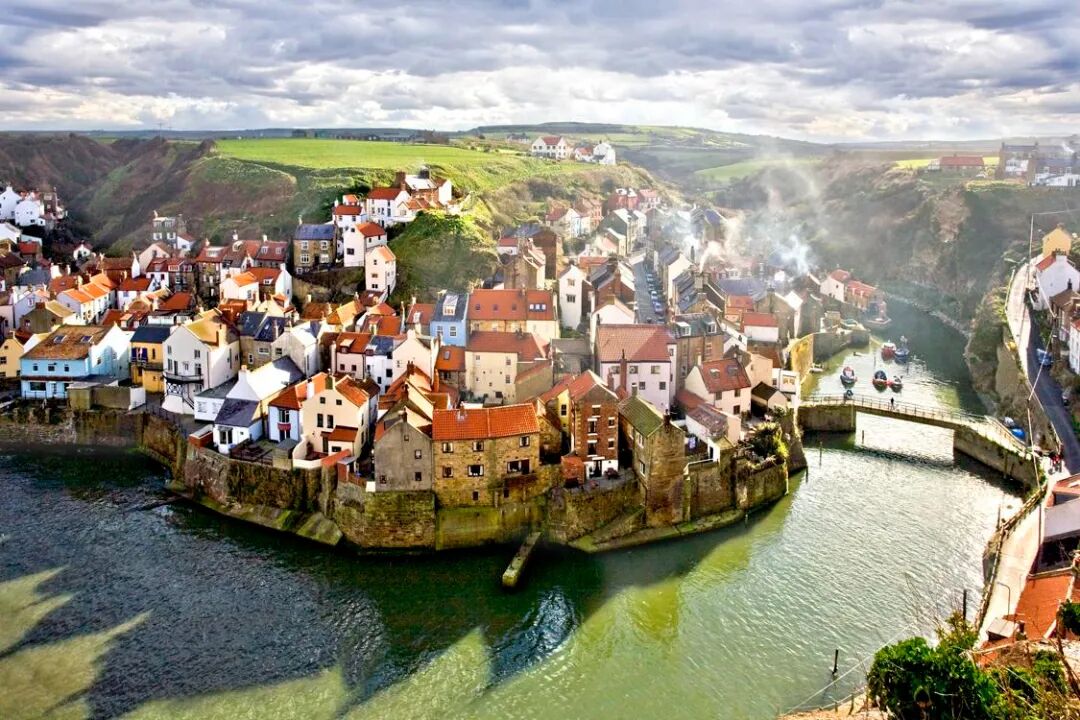
Captain Cook, a famous British explorer, once lived here. Today, the local museum still cherishes that legendary maritime history.
Walking in the winding and narrow streets, every stone and tile carries the vicissitudes of the years and tells the story of the past.
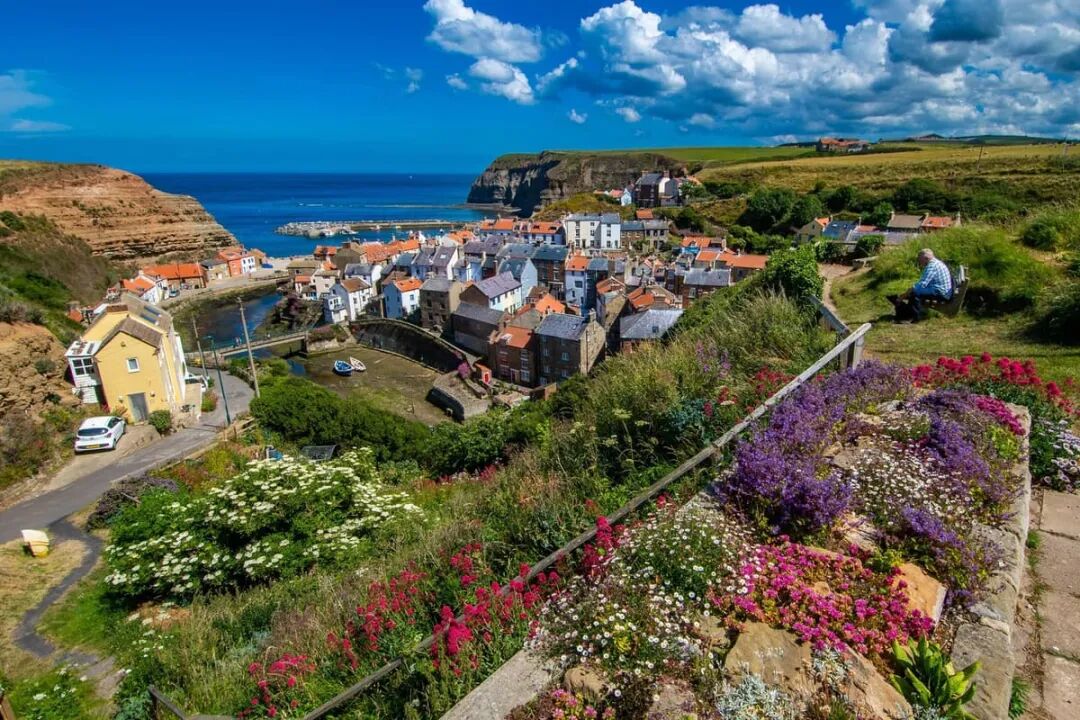
Stathers is a model of harmonious coexistence between man and nature. Colorful huts set off with steep cliffs, and you can enjoy the breathtaking sunrise and sunset at sea no matter day or dusk.
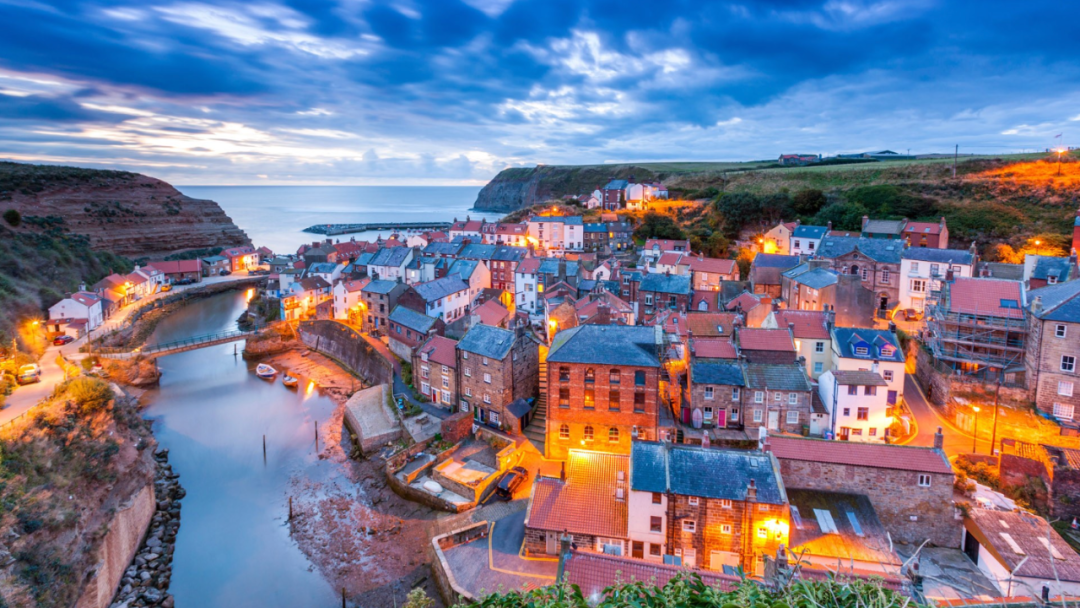
Bathed in the fresh sea breeze, Stathers is an excellent place to find inner peace and taste the British coastal customs, whether it is enjoying the magnificent seascape, exploring natural mysteries or feeling the simple fishing village culture.
NO.10
Popeye Village, Malta
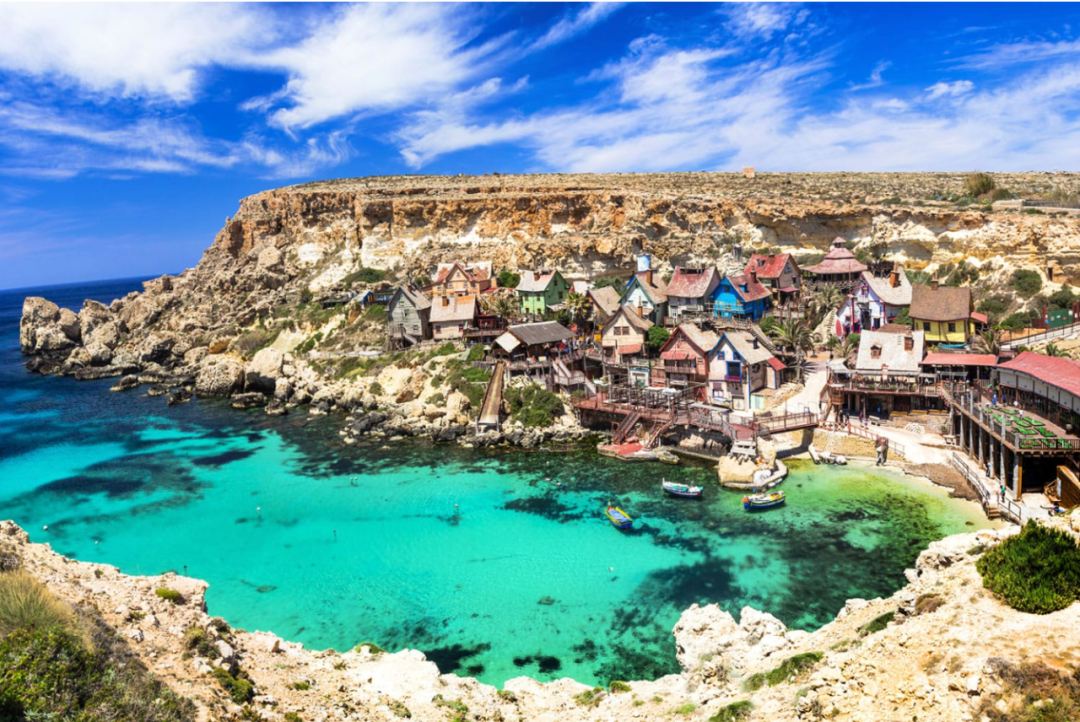
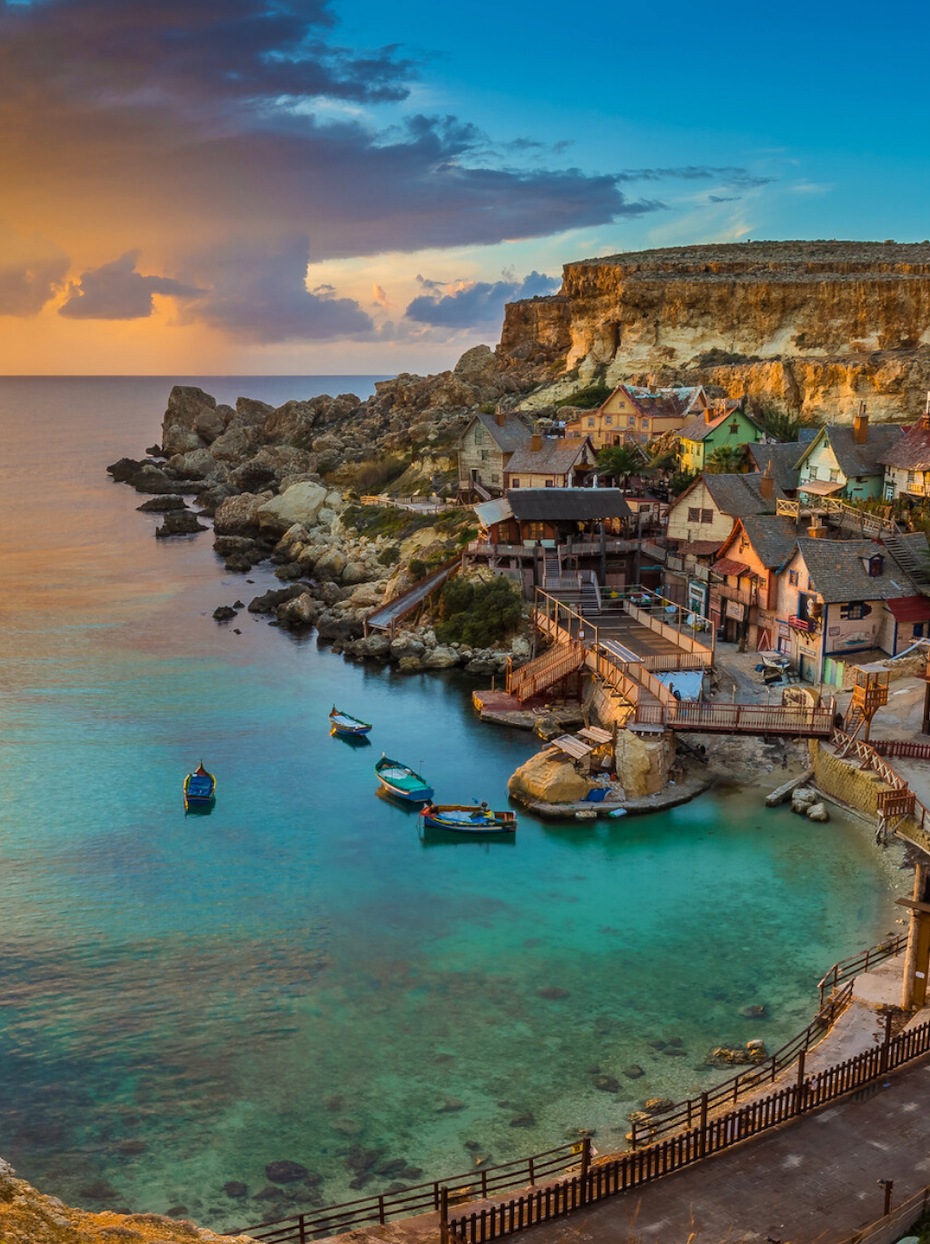
One of the most distinctive villages in the world was actually transformed from the filming location of the musical Popeye in 1980. The former movie set has now been transformed into a vibrant theme park.
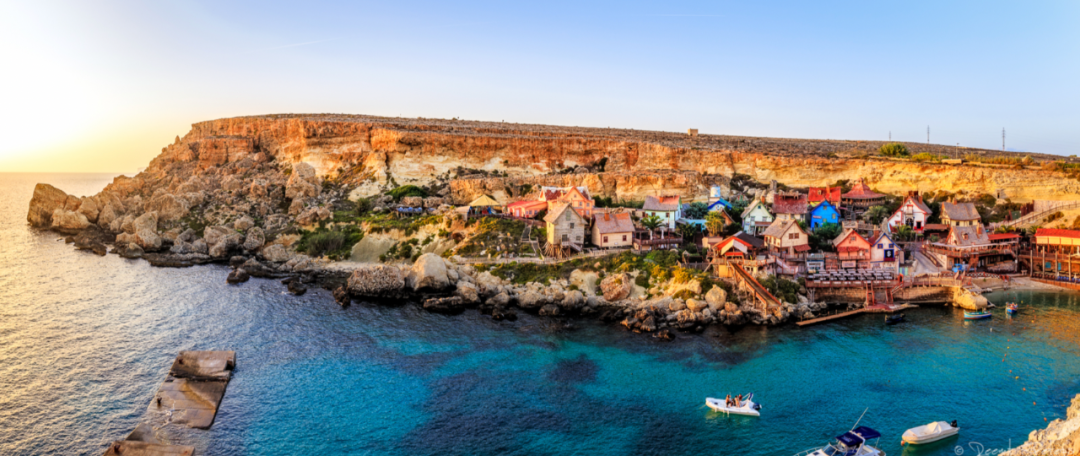
Visitors can not only watch performances and participate in film shooting interactions in the square, but also take boat tours, visit museums or have fun in the amusement park.
The wooden houses full of simple customs and gorgeous colors perfectly reproduce the classic scenes in cartoons.
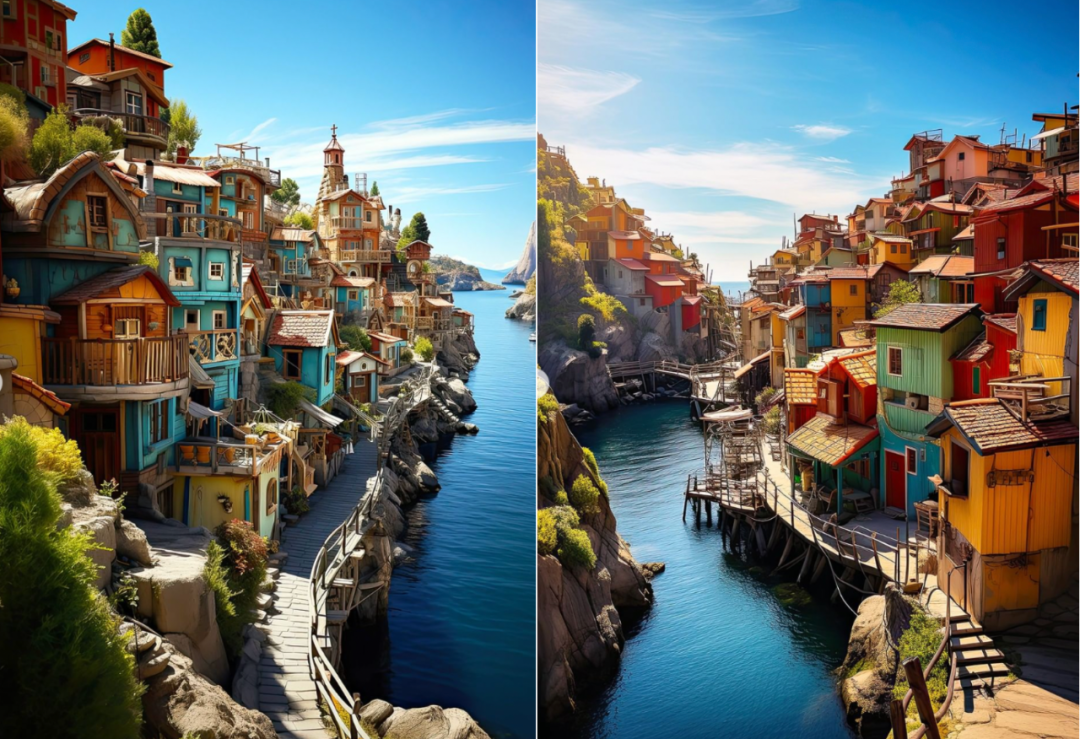
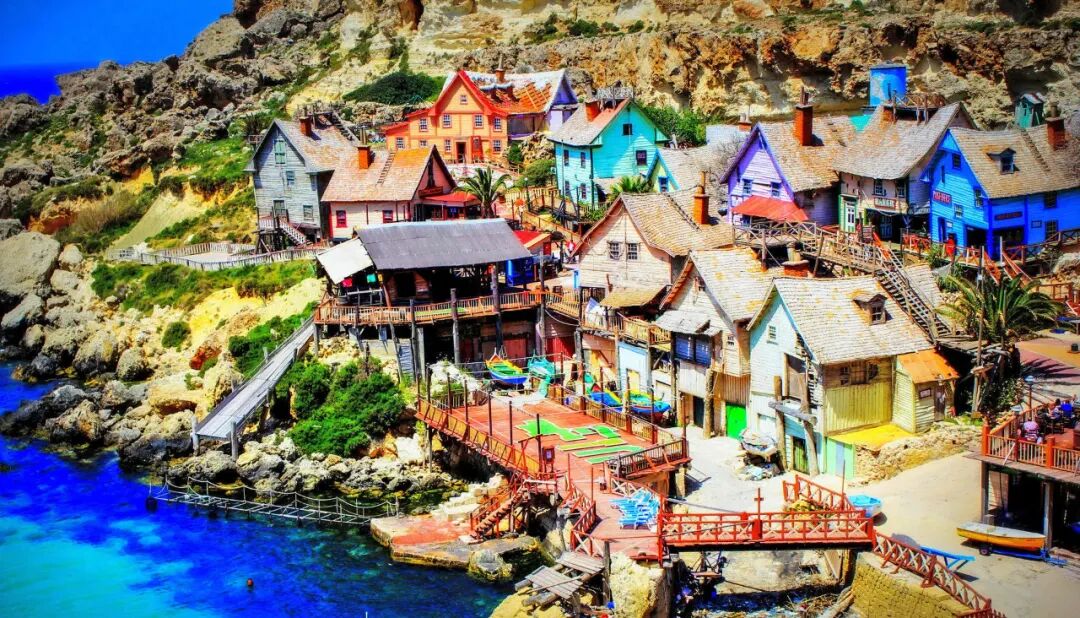
The village is surrounded by magnificent natural scenery, and the blue sea water and green vegetation set off each other. Rich water facilities allow you to directly devote yourself to the embrace of the Mediterranean Sea, which is very comfortable.
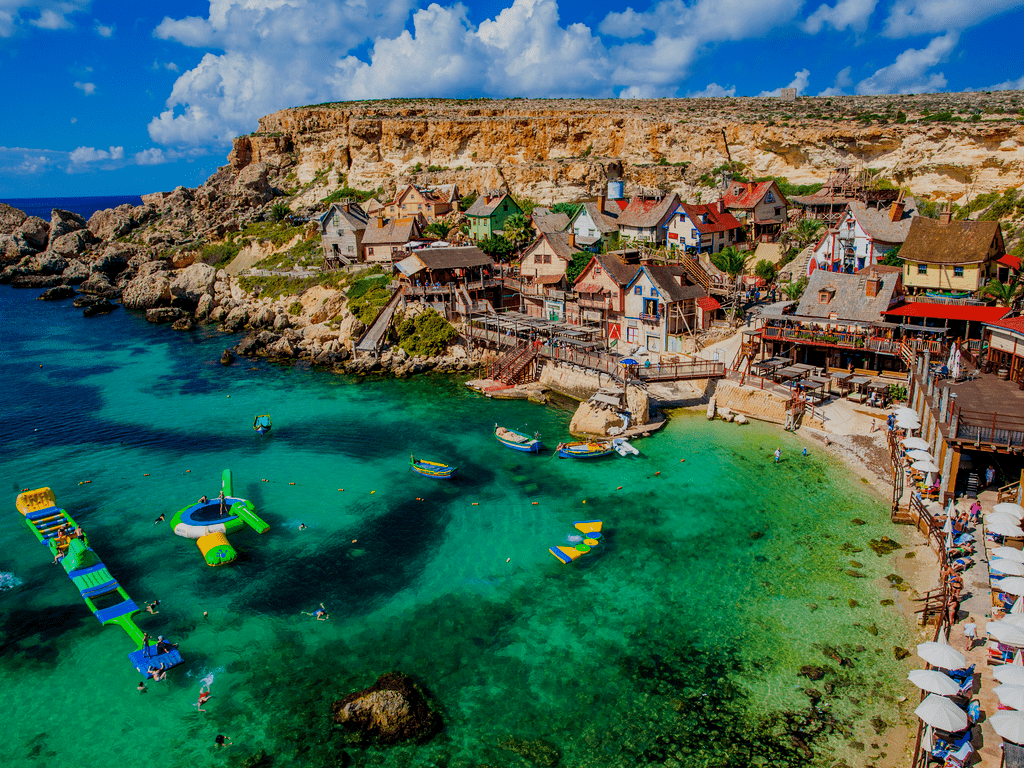
Popeye Village skillfully blends movie magic, rich culture and natural charm. It transcends ordinary scenic spots and becomes a dream community full of laughter and vitality.