I prefer the local flea market to the famous Khalili Market in Cairo-the niche gameplay is really interesting.
This flea market is right in the center of the city and can be found by a map search for “cinema diana”. If you live near Tahrir Square, it is within walking distance.
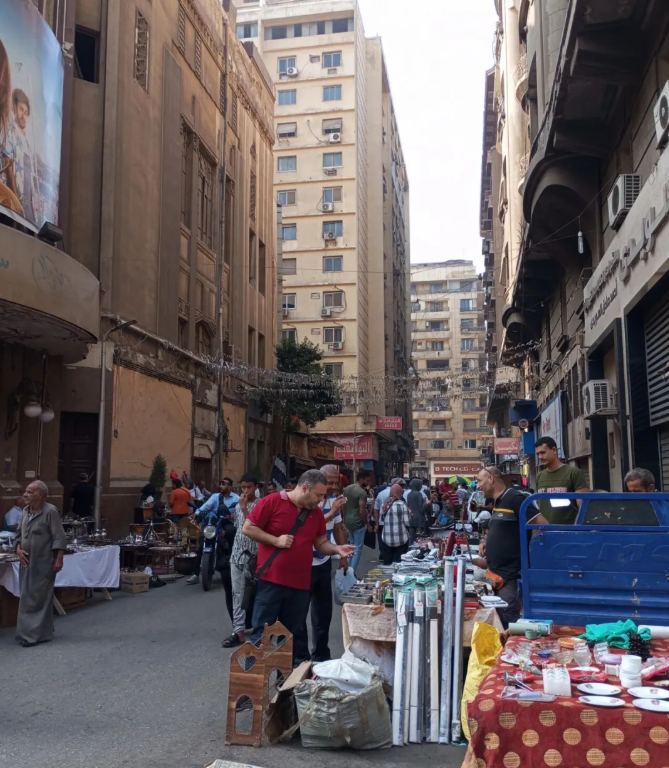
The market has been busy since eight or nine o’clock in the morning, and the stalls have been closed around four o’clock in the afternoon.
Unlike Khalili, it’s not like a scenic spot for tourists, and it’s mostly local faces. You can see a few tourists sporadically, but more of them are locals shopping for treasures-it’s more like a market place for Cairo people.
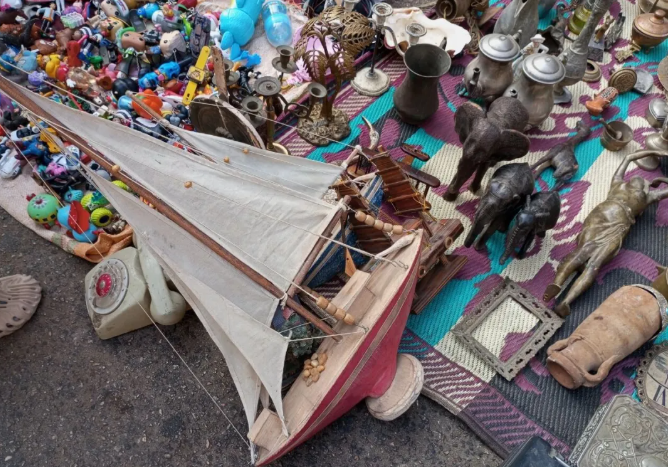
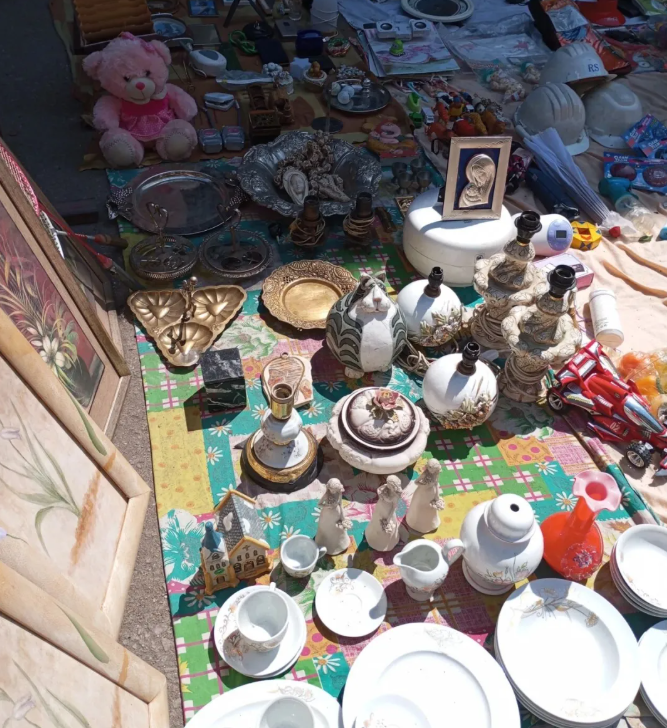
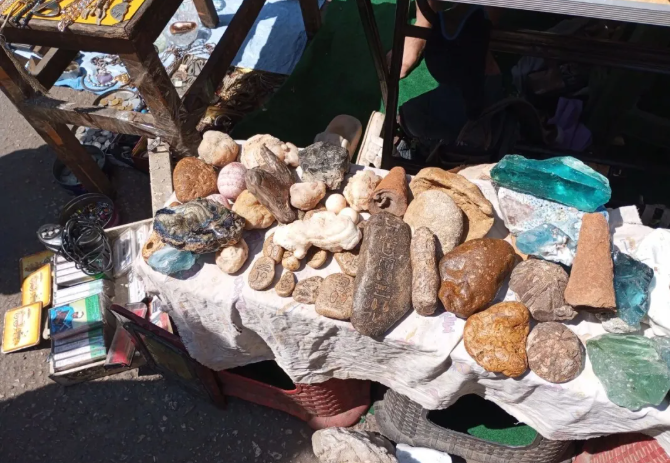
The non-tourism market is naturally more local: there is less noisy shouting and more real life.
There are more locals than tourists, will it be difficult to communicate?
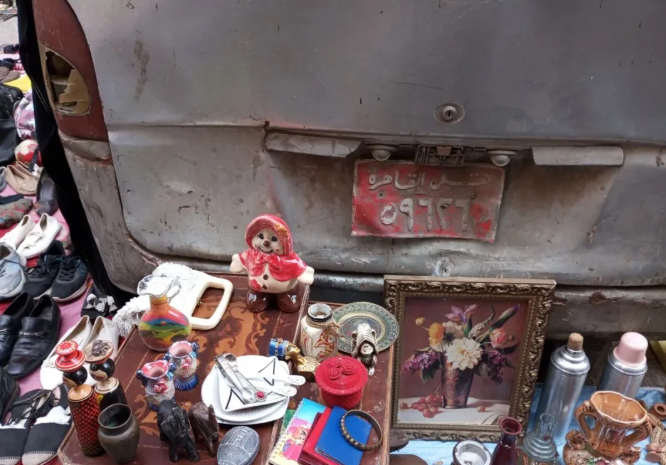
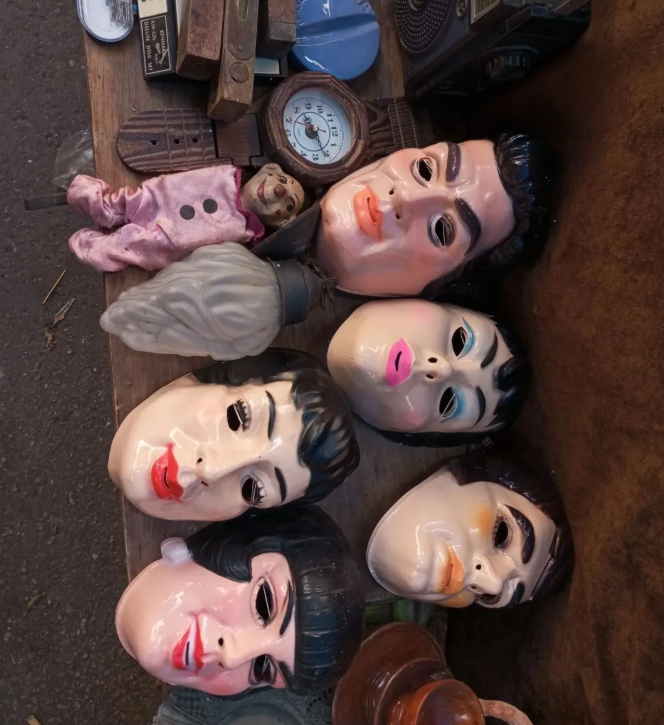
Actually, don’t worry at all-many stall owners in Cairo are good at English, and even if they can’t, they can communicate with translation software.
That day, I visited the whole market and communicated with many shopkeepers, but I didn’t encounter communication barriers. But be sure to remember to bargain when shopping.
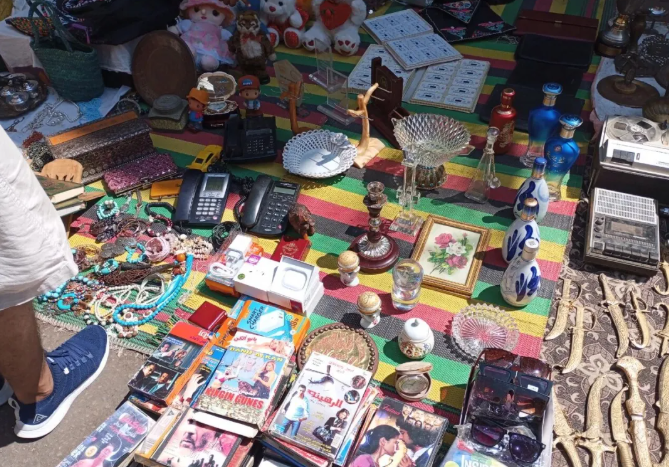
If you are a photography enthusiast, you will definitely like it here-the dazzling array of cameras and films are exciting. An old film costs only 5 angstrom pounds.
Some stall owners find it troublesome, so they directly grab a handful of film and sell it in the palm of their hands, which is more cost-effective. You can buy one for 100 angstrom pounds.
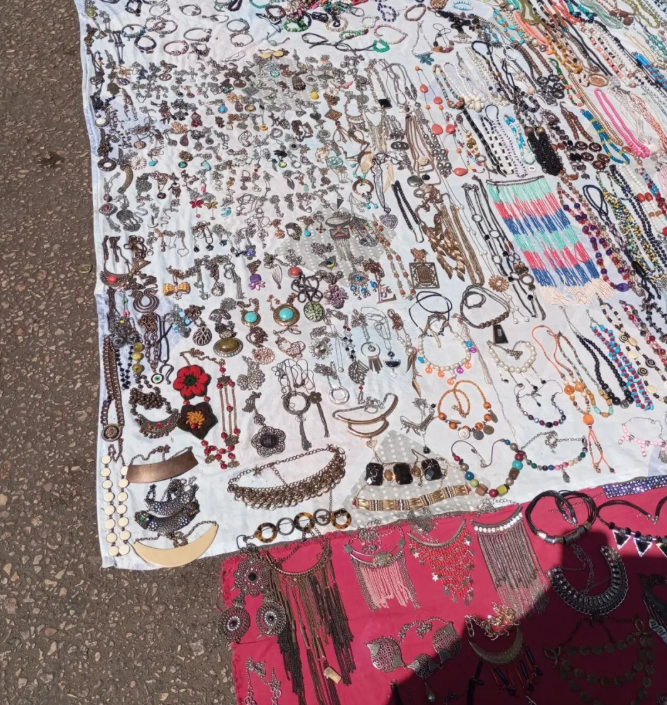
Handicraft lovers can also find their favorite ornaments: necklaces and bracelets made of stone, and various unique handicrafts, with prices ranging from tens to hundreds of angostom pounds.
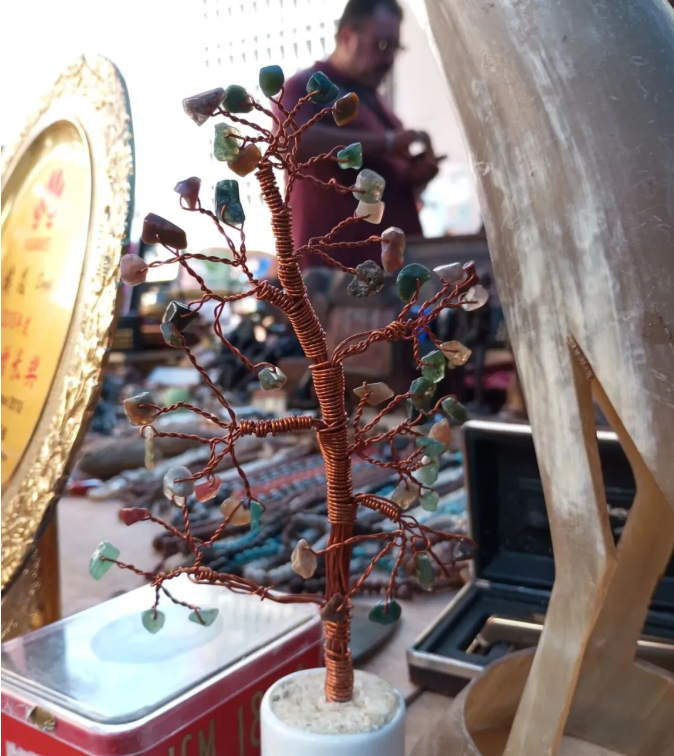
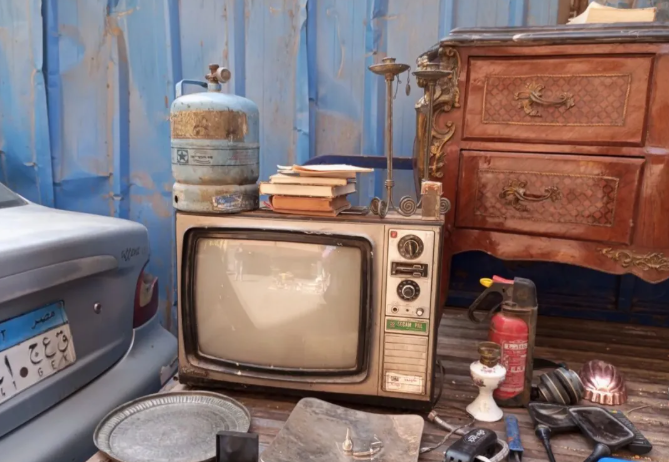
When I first walked into the market, I was even in a trance-as if I had seen the Cairo version of “Panjiayuan”.
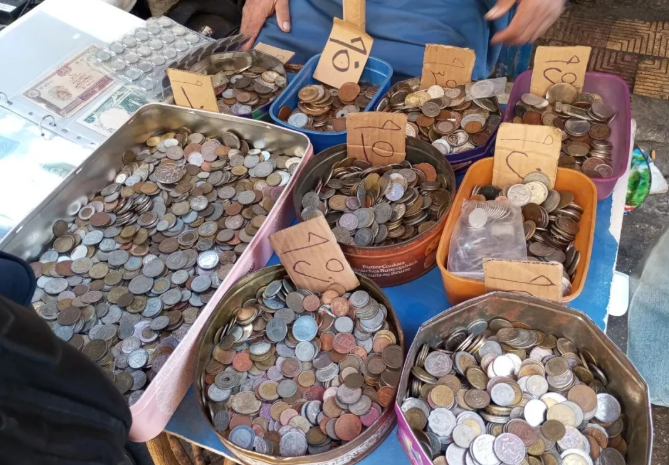
You can see many coins of different ages and countries here, with a sense of historical vicissitudes. It is indeed a good place for “Taobao”.
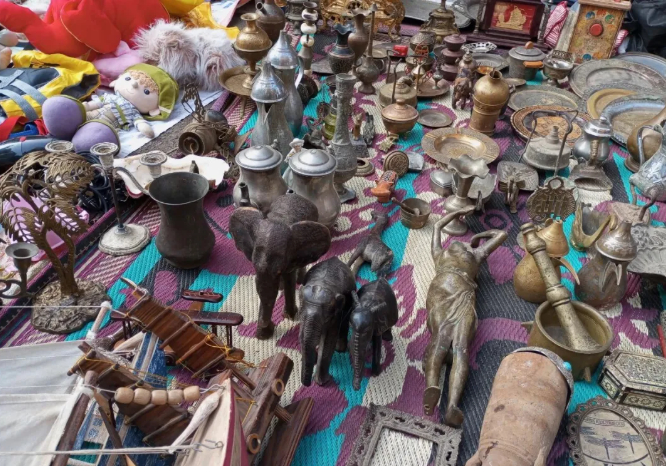
You don’t need a map to visit the market. My method is very simple: look at one side first, then go to the other side, and look at each stall slowly.
There are often scattered stalls in alleys, so don’t miss these remote corners-surprises are often hidden here.
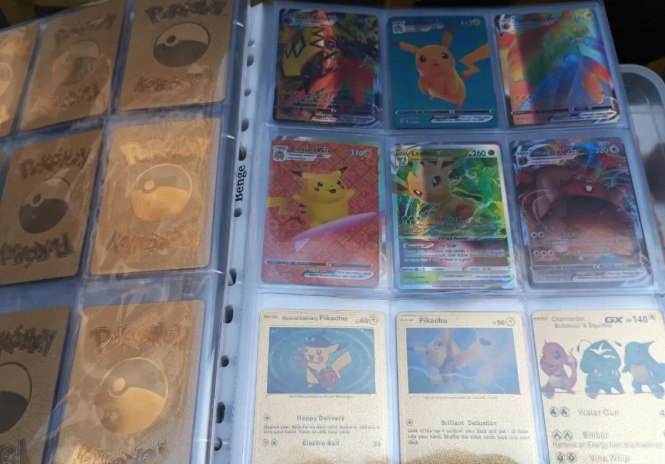
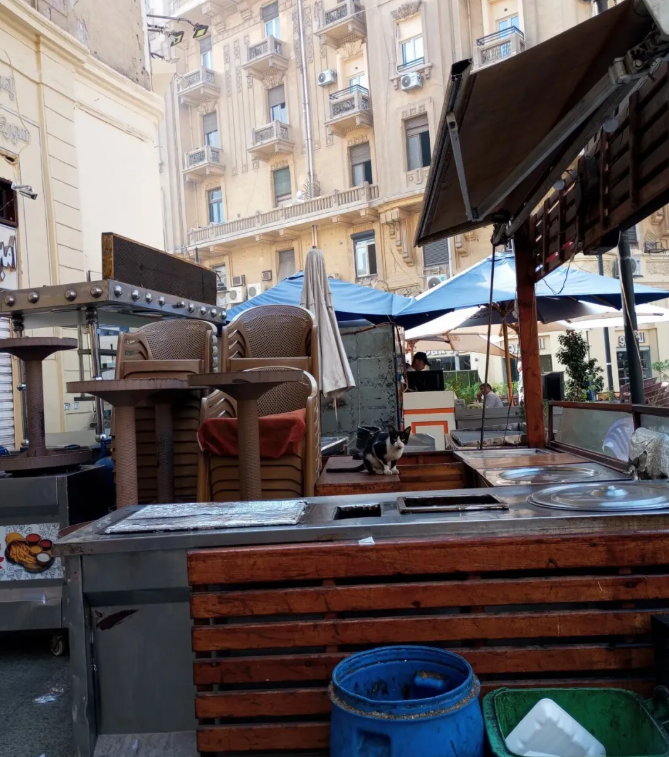
The busiest market is in the morning, when stall owners arrive with all kinds of goods, and some people put books directly on the car for sale.
Stall owners are very casual. If the counter-offer doesn’t reach the psychological price, they can continue to shop-similar products may appear repeatedly.
For example, some retro telephones. I’m not sure whether they were once popular and so there were many stocks, or they were just antique products.
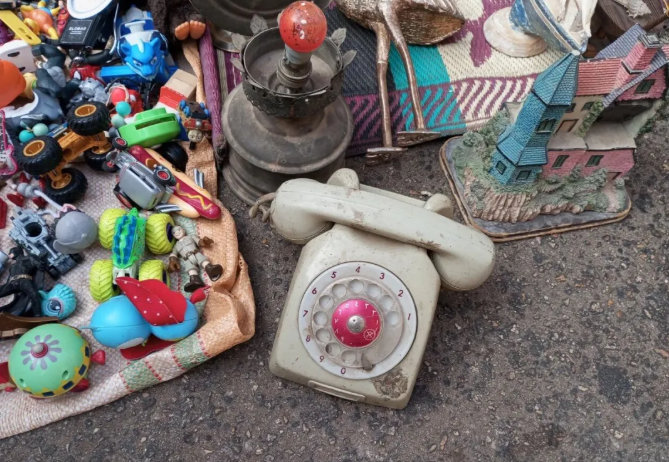
When shopping for goods here, vision is very important-the difference between the words “antique” and “antiquities” has completely different meanings.
I once saw a nuclear sculpture in a booth, which should be hand carved-the work is not perfect, and there are slight cracks in the hair of the character, but it looks real.
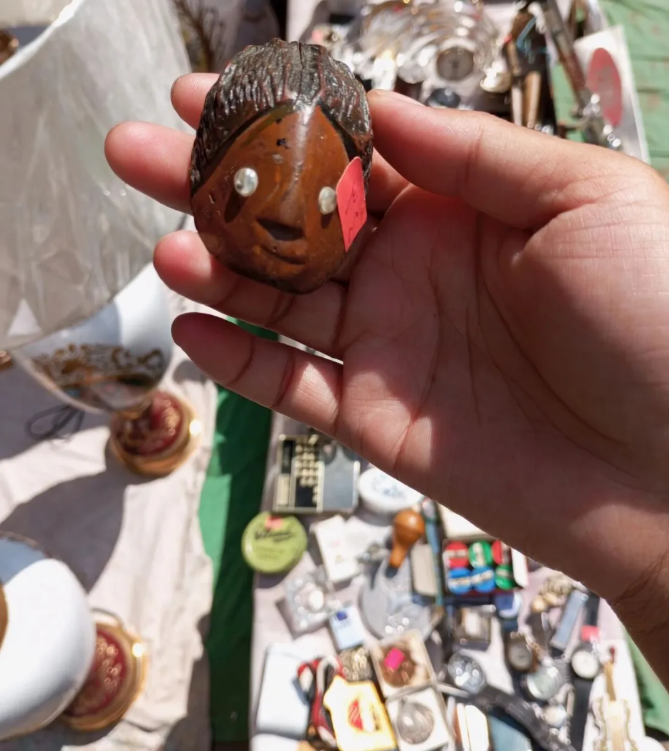
If you live far away or have other arrangements during the day, you can choose to close the stall in the evening-it’s easier to bargain at this time.
After returning home with a full load, walking out along the booth, you will encounter many cafes, and the shop assistants may greet you warmly (sometimes a bit annoying).
But further forward, you can see the appearance of Cairo’s “city that never sleeps”.
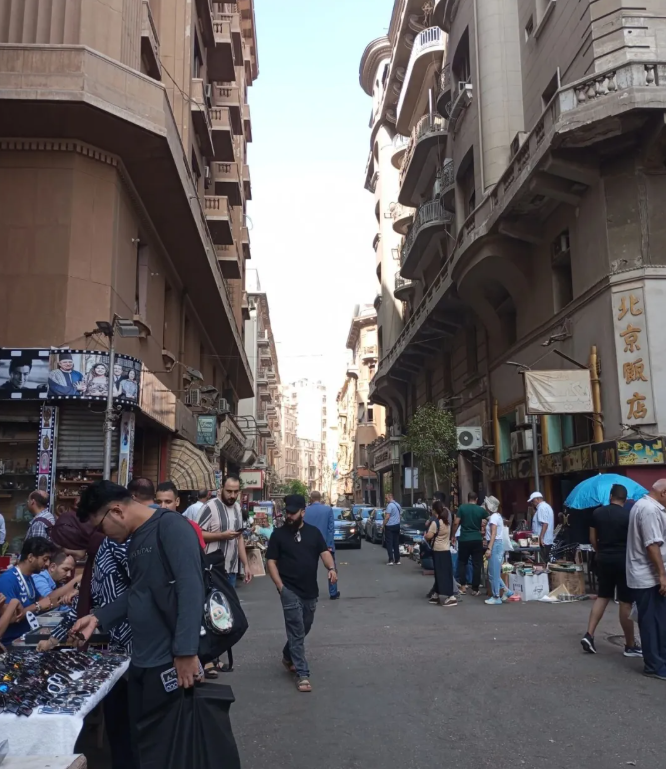
In the park-like open space, hundreds of tables and chairs are suddenly set up at night, and locals sit around them, forming a unique night scene of Cairo.
Compared with cafes eager to attract tourists, the consumption here is more grounded. After eating and drinking, a walk to the Nile to watch the moon-wouldn’t it be a perfect day?